Best Materials For Safe Water Storage
Clean drinking water is vital for good health but how we store it is just as important as how we filter it. A container made from bad materials can leach chemicals, cause odor, or even promote bacterial growth. Choosing the right material to make containers for safe water storage means getting access to pure and fresh drinking water. The following article explores the best materials for water storage, from stainless steel to glass to BPA-free plastic.
The safety of our drinking water depends not only on filtration, but also on proper storage. Stainless steel and glass offer the best protection against contamination, combining hygiene and durability with environmental sustainability. BPA-free plastics provide convenience for short-term use, while copper and clay add cultural value, however these materials require careful handling.
Stainless Steel - Most Durable, Safe Choice

Stainless-steel water bottles have a smooth, non-porous surface that is highly resistant to bacterial and mold growth.
When it comes to safety, stainless steel stands out as one of the best materials for safe water storage.
Non-reactive and toxin-free: Food-grade stainless steel (usually 304 or 316 grade) doesn’t leach chemicals into the water, even after long storage periods.
Durability: Resistant to rust, impact and temperature fluctuations, stainless steel is ideal for both indoor and outdoor use.
Easy to clean: Stainless steel bottles and jugs can be sterilized with hot water or vinegar.
Best for: daily hydration, reusable bottles, home dispensers and long-term storage.
Note: Avoid low-quality or uncoated metal containers, which may corrode over time.
Glass – Cleanest, Most Neutral Option

Glass is an inert material, meaning it does not react with water or leach any chemicals, making it exceptionally pure.
If the purity of taste is our top priority, glass containers are hard to beat.
Zero chemical leaching: Glass is completely non-toxic and doesn’t interact with water, preserving its natural taste.
Eco-friendly and reusable: Glass can be endlessly recycled without quality loss.
Ideal for home use: Glass water jugs or bottles are perfect for refrigerators and dining tables.
However, glass is fragile and heavy, so it’s not practical for travel or children. Choose borosilicate glass, which is heat-resistant and less prone to cracking.
BPA-Free Plastic - Lightweight and Affordable

Plastics #2 (HDPE), #4 (LDPE) and #5 (PP) are different types of polyethylene and polypropylene, often used for a wide range of items and considered generally safe for food contact.
Plastic bottles are everywhere, but not all plastics are created equally. For safe water storage, always look for BPA-free and food-grade containers.
Safe types: Look for plastics labeled #2 (HDPE), #4 (LDPE) or #5 (PP), which are stable and suitable for cold water storage.
Avoid: Plastics marked #3 (PVC), #6 (PS), or #7 (other) unless explicitly BPA-free. They can release harmful substances over time.
Best use: Short-term storage, sports bottles, travel.
Tip: Never expose plastic bottles to direct sunlight or high heat, as this accelerates degradation and chemical leaching.
Copper and Clay: Traditional, Care Required

Consumers are recommended to choose a water container such as a bottle or a pitcher made of pure copper.
In many Asian and Middle Eastern cultures, water is traditionally stored in copper or earthenware (clay) pots.
Copper: Has natural antimicrobial properties that can kill harmful bacteria and improve water taste. However, overexposure to copper ions may be unsafe - it’s best for short-term storage (6-8 hours).
Clay pots: Keep water naturally cool and enhance flavor but may absorb impurities if not properly fired or glazed.
These are great for cultural or occasional use, but not the most practical for modern long-term storage.
Aluminum, Other Metals - Use with Lined Coatings
While aluminum is lightweight and durable, unlined aluminum can react with water (especially acidic or mineral water). Modern aluminum bottles are usually coated with epoxy or enamel lining, which prevents contamination, but this coating must be BPA-free to be truly safe.
When choosing metal alternatives, consumers should check if the containers meet FDA or EU food-contact standards.
Should you have any questions or request a quotation of Rang Dong products, please send us an email to: export@rangdong.com.vn
Websites: en.rangdong.com.vn and vacuumflask.rangdong.com.vn.
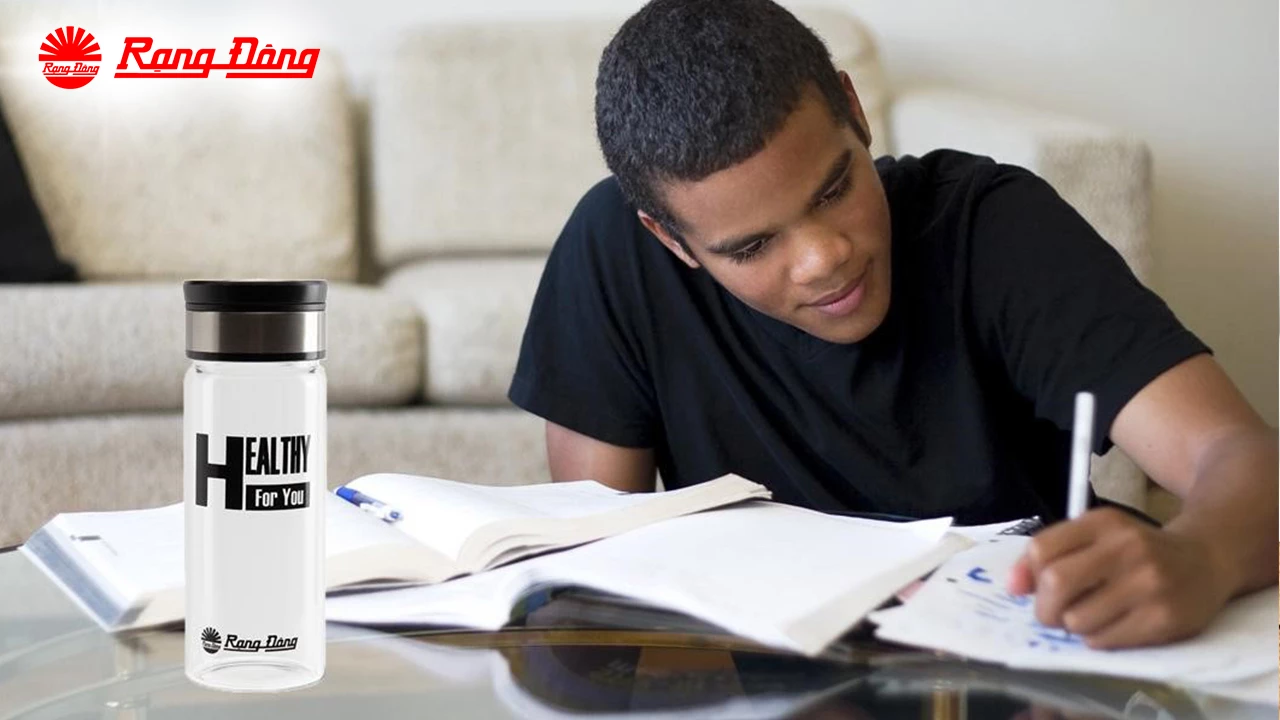
Daily hydration is essential to our body. The task is easy at home, but once we go out, taking a water bottle along that can keep our drinks fresh for hours is a great idea. Here comes a brief introduction of the latest borosilicate glass water bottles produced by Rang Dong, Vietnam's top manufacturer of vacuum flask and water bottles. Apart from making a good companion, it can also be a cute present for our loved ones.
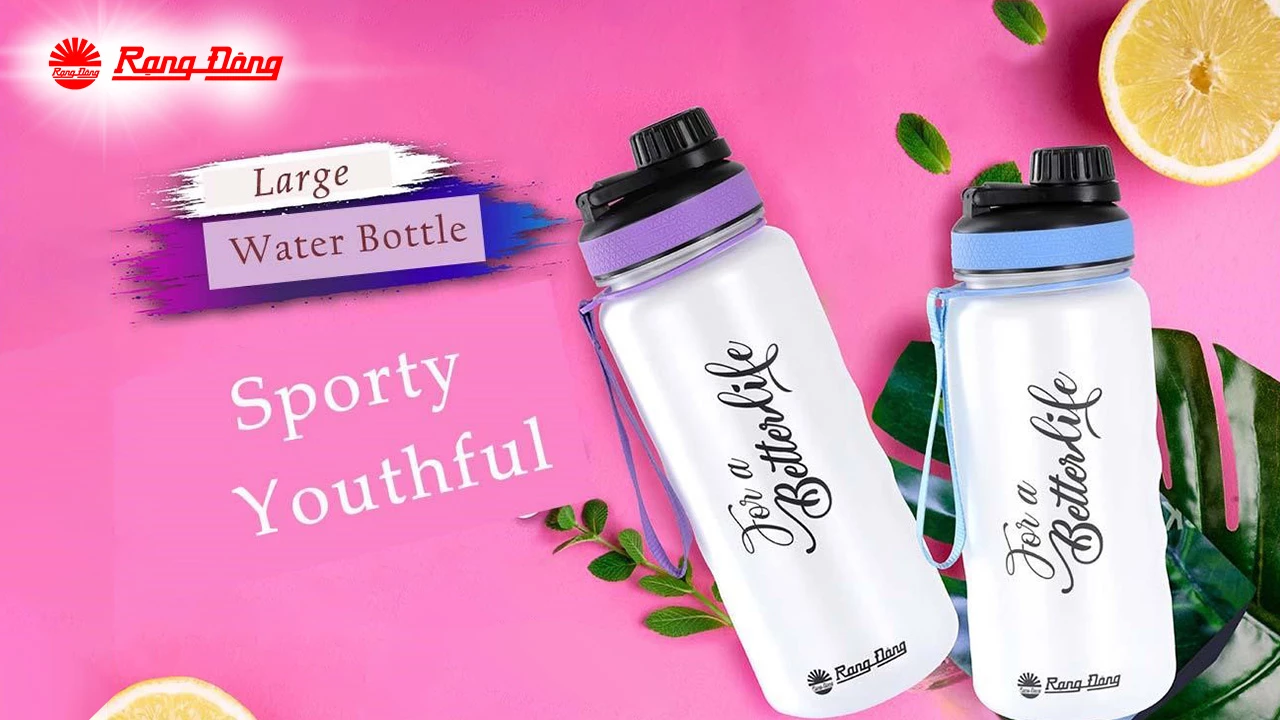
It can be said that water impacts virtually every aspect of people’s performance. Strength, power, speed, agility, and reaction time are decreased with as little as 2% dehydration. Hence, using large water bottles as RD-12P1 and RD-10P1 is necessary to remember drinking water. Let’s find out what makes these bottles outstanding of current on the market.
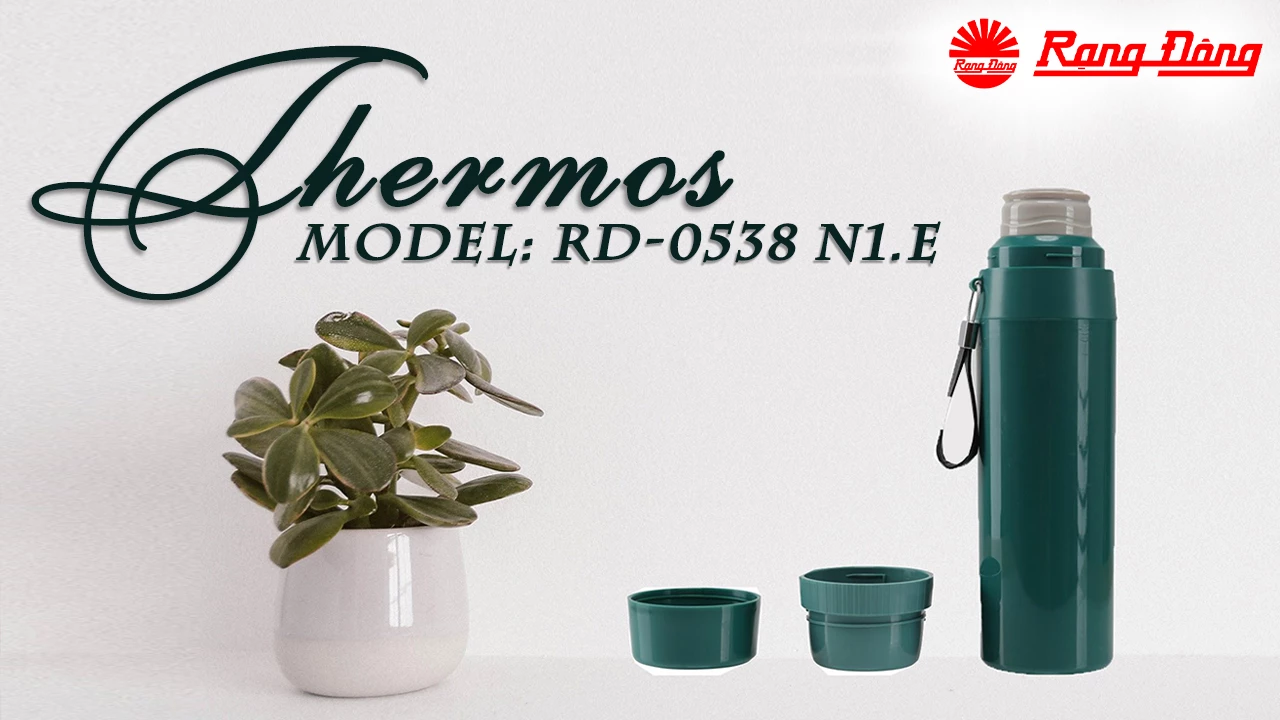
Sometimes, drinking water in public is not easy, especially with women, if they do not have a cup and the way of drinking may not be pretty or polite. Therefore, bringing along a thermos with cup is extremely handy, then you can drink your water anywhere and anytime in a polite and delicate way.
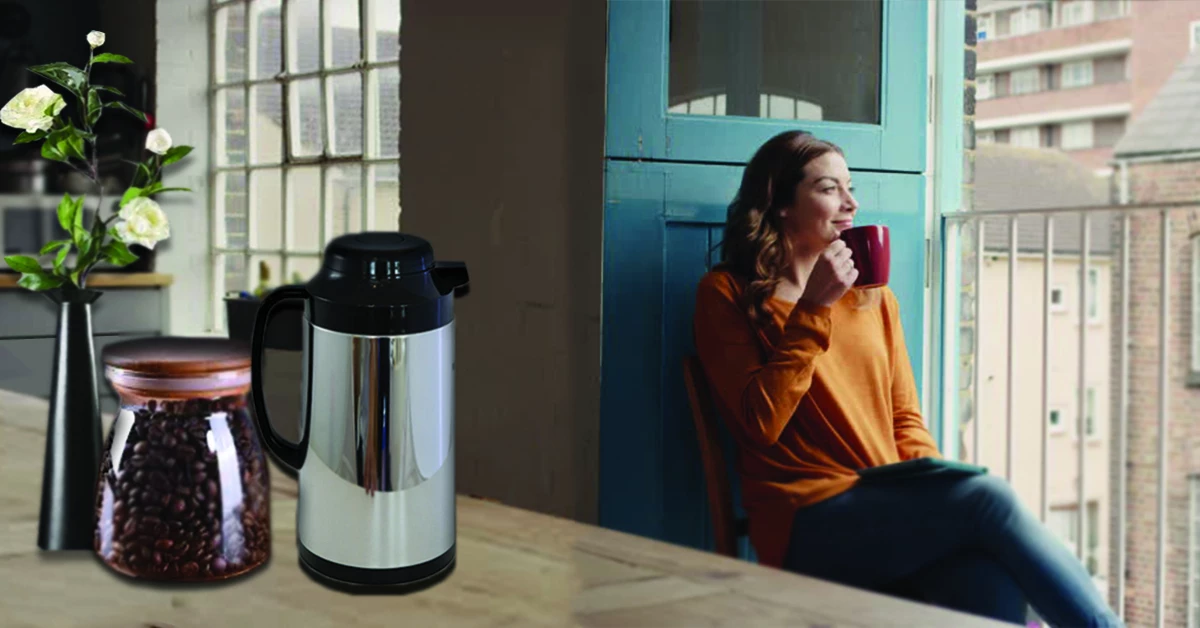
Warm water is used mostly for making coffee, tea and baby’s milk. Drinking pure warm water also has many health benefits. Therefore, choosing a Rang Dong’s vacuum flask to keep warm water for the whole day and avoid reheating many times is a great choice. Rang Dong 1 liter vacuum flask 1040 MC should be your first option due to its full advantage functions.
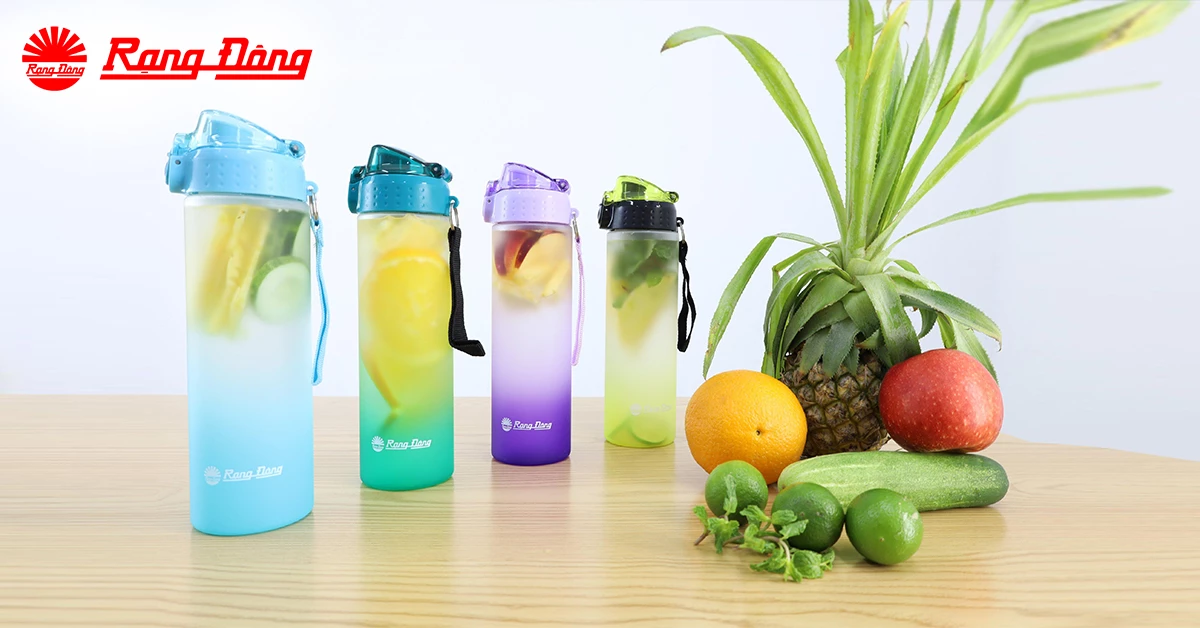
Water plays an indispensable role in our life and a sufficient water supply helps the human body function more efficiently and healthily. Rang Dong has developed new products with pastel ombre color options to help ensure we take along a beautiful water bottle every day. They are models RD 05P1 & RD 07P1 water bottle. Let's figure out the striking features of them.
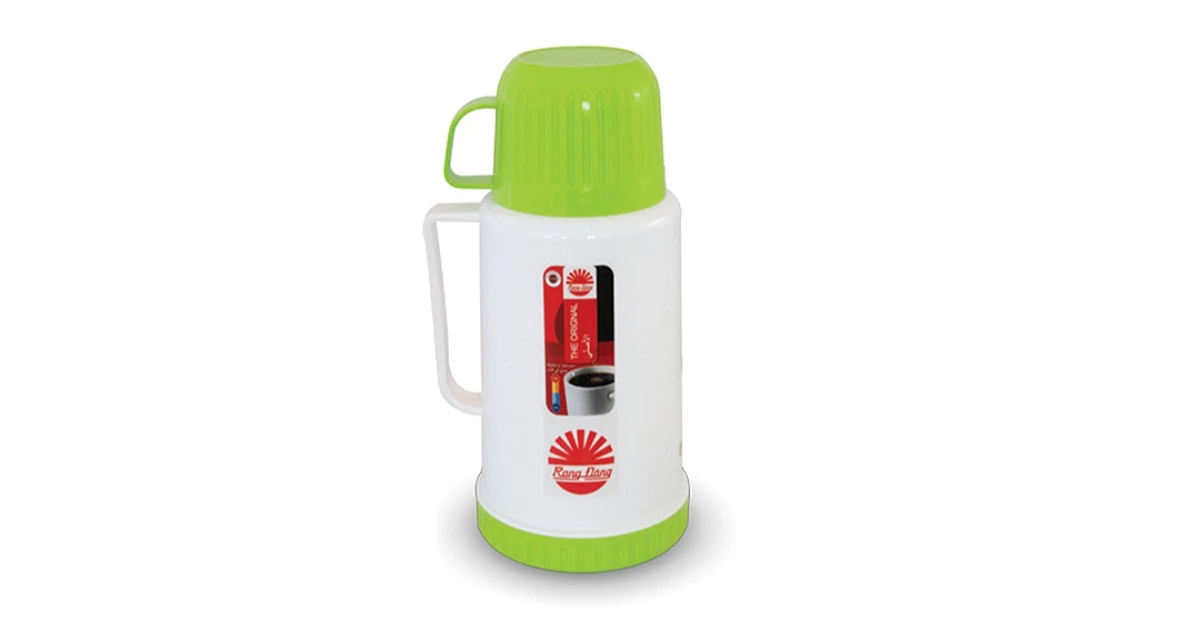
When looking for an ideal vacuum flask, we need to know why and where we will be using it. For keeping coffee or tea, the best choice would be a coffee pot vacuum flask that is designed for use on many occasions. As Vietnam’s leading manufacturer of vacuum flask products, Rang Dong may have several suggestions. Here is a brief for the coffee pot vacuum flask.