How to Descale Electric Kettle Safely and Effectively
Over time, mineral deposits from boiled water accumulate on the heating element and inner surfaces of the kettle, affecting efficiency and taste. Proper descaling not only restores optimal heating and prolong the appliance’s lifespan, but also supports energy savings and hygiene. The following article explains the necessity of descaling and how to descale an electric kettle using simple, effective methods.
If electric kettles are frequently exposed to hard water containing minerals such as calcium and magnesium, the minerals will form limescale deposits on the kettle’s interior and heating element following repeated boiling.
Once left untreated, the scale will slow the boiling time, more electricity will be consumed and the appliance’s lifespan shortened.

Hard water contains high concentrations of dissolved minerals like calcium and magnesium ions.
In addition, mineral buildups may alter the taste and clarity of boiled water, thus affecting beverages such as tea and coffee. Descaling therefore improves both the appliance durability and water quality.
Users should descale the kettle on a regular basis to ensure optimal heating and prevent unnecessary strain on internal components of the kettle.

A close-up view of mineral buildup and limescale at the bottom of an electric kettle that requires descaling.
Visible white or chalky residue inside the kettle, unusual noises during boiling, or slower heating times are clear signs that descaling is needed. Establishing a regular descaling schedule helps prevent heavy buildup and reduces cleaning effort over time.
The frequency to descale an electric kettle depends largely on water hardness and usage intensity. In areas with hard water, descaling is typically recommended every 2–4 weeks. For families using filtered or soft water, descaling once every 2–3 months may be sufficient.
Ways to Descale Electric Kettles
Using white vinegar
White vinegar is one of the most commonly used descaling agents due to its acidity and availability.
In order to descale an electric kettle using vinegar, fill the kettle halfway with equal parts of water and white vinegar. Bring the solution to a boil, then turn off the kettle and allow it to sit for 30-60 minutes. Afterward, pour out the solution, rinse thoroughly with clean water, and boil fresh water once or twice to remove any remaining odor.
Citric acid or lemon juice
Citric acid provides an effective and mild alternative for descaling. Dissolve one to two tablespoons of citric acid powder in water, fill the kettle, and boil the solution. Let it stand for about 20–30 minutes before rinsing thoroughly.
Lemon juice can be used similarly, offering a natural and fresh-smelling option to descale mineral deposits.

Using natural citric acid from lemon slices is an eco-friendly way to descale an electric kettle.
Using commercial descaling agents
Commercial descaling solutions are formulated specifically for electric kettles and other heating appliances. These products often work faster and require shorter soaking times. When using a commercial descaler, it is important to follow the manufacturer’s instructions carefully to ensure safety and avoid damaging internal surfaces.
After completing the descale process, the kettle should be rinsed thoroughly to remove any residual cleaning solution. Boiling clean water once or twice helps eliminate lingering tastes or odors. The exterior of the kettle can be wiped with a damp cloth to maintain overall cleanliness.
In order to reduce the need for frequent descaling, users may consider using filtered water, emptying the kettle after each use, and avoiding leaving standing water inside for extended periods.
Should you have any questions or request a quotation of Rang Dong products, please send us an email to: export@rangdong.com.vn
Websites: en.rangdong.com.vn and vacuumflask.rangdong.com.vn.
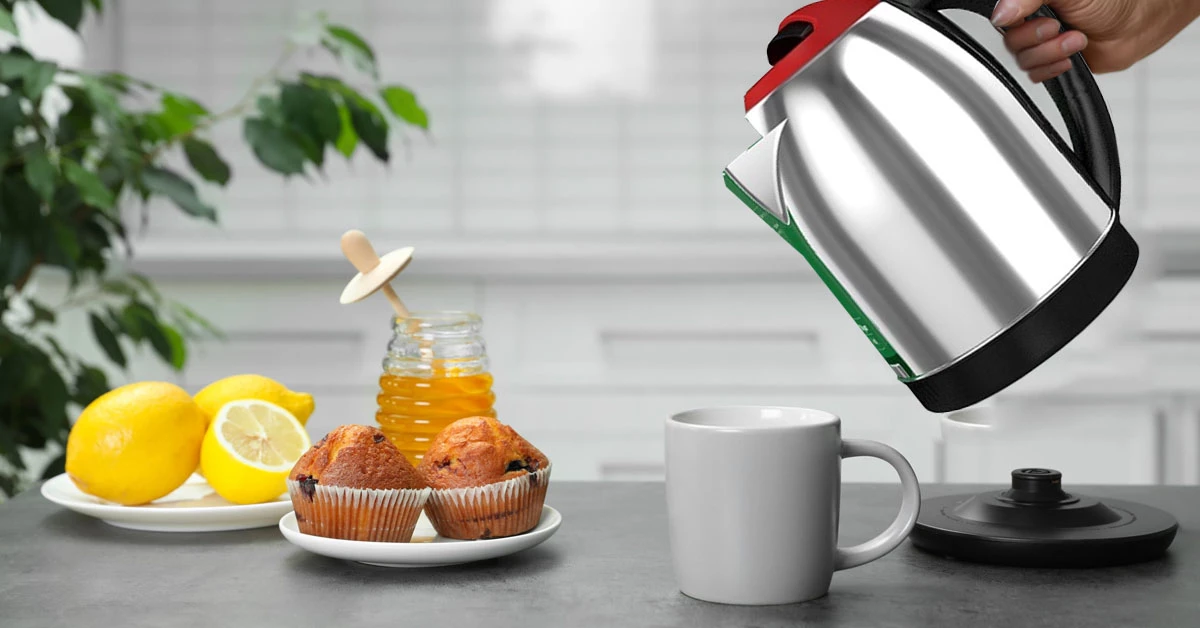
A long wait for the water to boil may at times be so tiring, especially when we're in a hurry. Sometimes, it can also be frustrating when we are snowed under and forget about the water being boiled. A quality Vietnam’s electric kettle can not only save our valuable time, but also helps us stop worrying about boil-dry.