New Vacuum Flask Requires Proper Care Before First Use
Vacuum flasks are useful for keeping drinks hot or cold during work, travel, study and daily routines and a proper first-time care is important before regular use. Cleaning, inspection, correct beverage use and storage habits can help maintain hygiene and extend the product’s service life. This guide explains what users should do before using a new vacuum flask and how to keep it in good condition for longer.
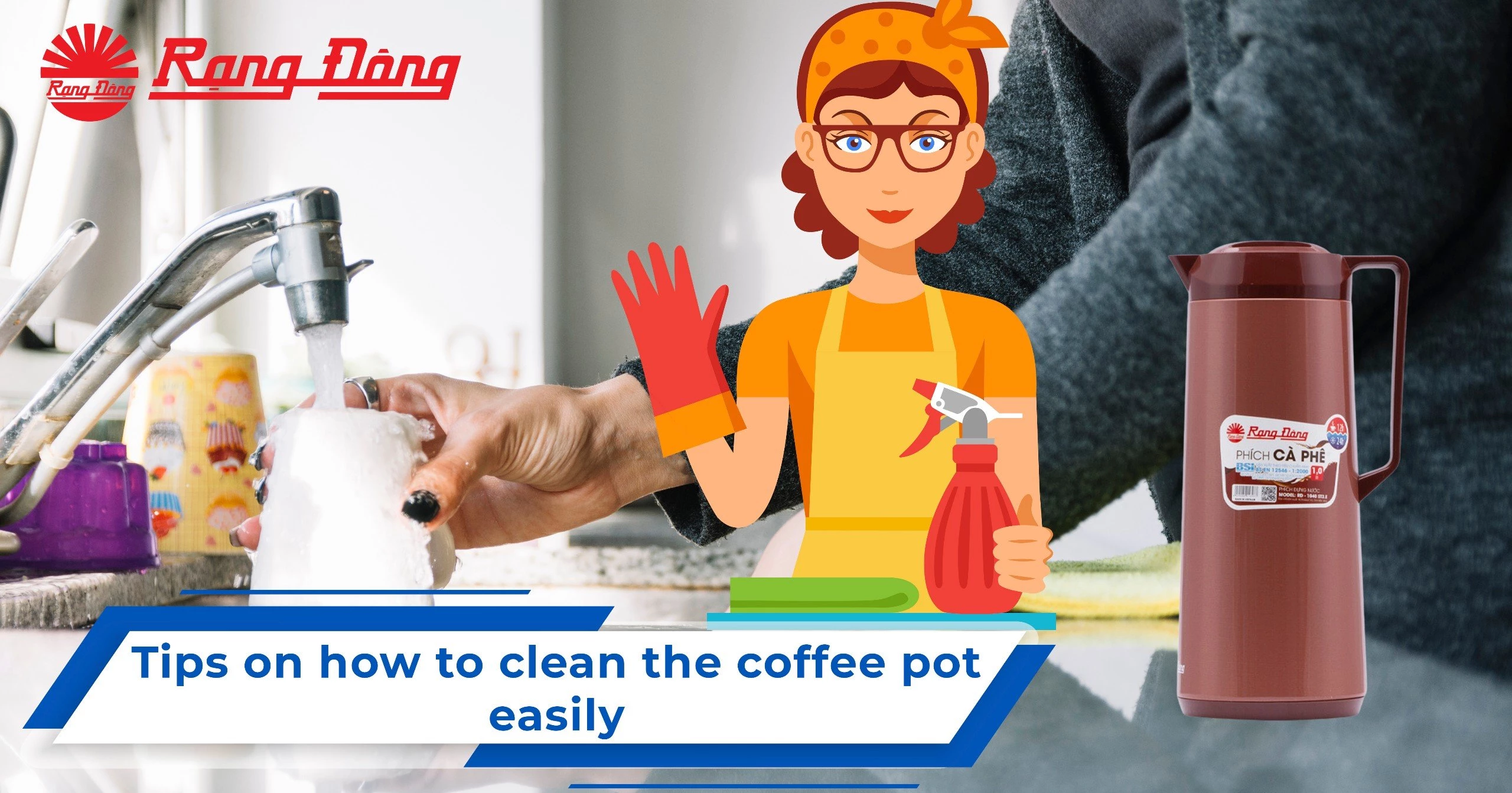
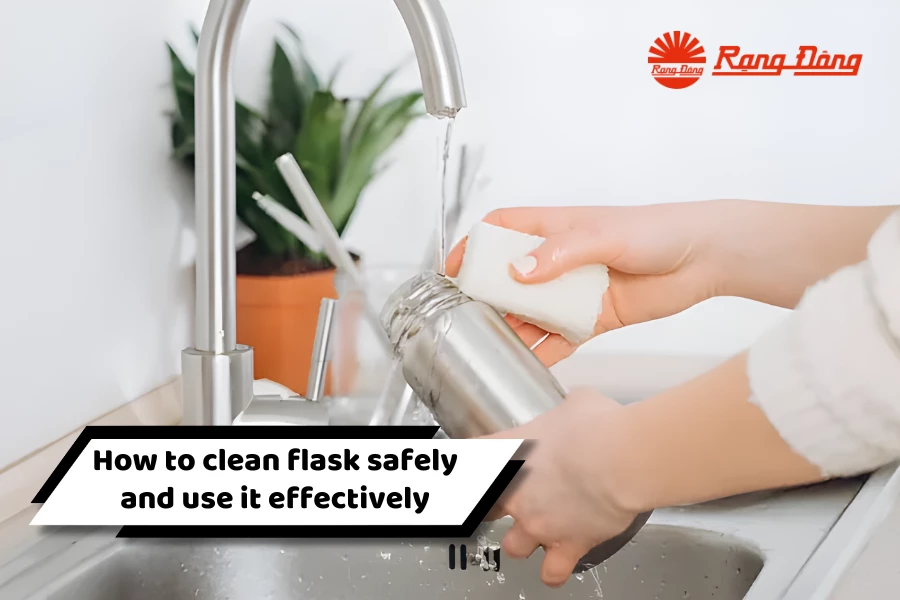
Before using a new vacuum flask, consumers should wash it carefully to remove dust, packaging odor, and possible residue from storage or transportation. The flask body, lid, sealing ring, drinking cap and any removable accessories should be cleaned separately if the design allows disassembly.
Warm water and mild dish soap are usually enough for the first wash. A soft sponge or bottle brush can help clean the inner wall and bottom of the flask. Strong metal brushes should be avoided because they may scratch the inner surface.
After washing, the flask should be rinsed thoroughly until no soap smell remains.
For a stronger first clean, users can fill the flask with warm water and a small amount of baking soda, then leave it for a short time before rinsing. This method can help reduce new-product odor while using no harsh chemicals.
The flask should be left open to air-dry completely before storing or filling with drinks.

Warm water and mild soap help prepare the flask for safe daily use.
Product Check
After cleaning, the new vacuum flask should be checked before daily use. Users should inspect the lid, silicone gasket, stopper, handle and drinking mouth. These parts are related to leak resistance and user comfort. If the sealing ring is not installed correctly, the flask may leak even when the main body is in good condition.
The surface should also be checked for dents, cracks, loose parts or unusual odors. For vacuum flasks, the outer wall should not become too hot when filled with hot water. If the outside heats up quickly, the vacuum insulation may not be working properly. This simple check can help users identify possible issues early.
Rang Dong, Vietnam’s leading manufacturer of vacuum flask products, provides practical drinkware for households, offices, travels and commercial needs.
For long-term use, customers should always follow the care instructions provided with each model.
First Use
A new vacuum flask should be preheated or pre-cooled before use when better temperature retention is needed.
For hot drinks, users can pour hot water into the flask, close the lid for a few minutes, then empty it before adding the beverage. For cold drinks, the same method can be done with cold water or ice water. This step helps the inner surface adjust to the drink temperature and can improve practical insulation performance.
Users should avoid filling the flask beyond the recommended level. Leaving a small space near the top can reduce pressure buildup and prevent overflow when closing the lid.
Carbonated drinks should not be stored in a vacuum flask unless the product is specifically designed for them. Gas pressure may build up inside the sealed container and cause leakage or sudden lid opening.
Milk, dairy drinks and baby formula should not be kept for long periods, especially in warm conditions. These beverages can spoil faster and may leave odor if the flask is not cleaned immediately after use. Acidic drinks such as lemon water or fruit tea should also be used with care, depending on the material and manufacturer’s instructions.

Preheating or pre-cooling can improve daily temperature retention.
Daily Care
In order to keep a new vacuum flask in good condition, users should clean it after each use. This is especially important after tea, coffee, milk, juice, soup or sweet drinks. Beverage residue can cause stains, odor and buildup around the lid or gasket.
The lid often needs more attention than the bottle body. Small grooves, silicone rings and drinking openings can hold moisture and residue. These parts should be removed and washed regularly if possible.
After cleaning, all parts should be dried fully before reassembly. Closing a damp flask for a long time can create unpleasant smells.
Dishwasher use should depend on the product label. Some vacuum flasks are not suitable for dishwashers because high heat and strong water pressure may affect coating, printing, lid parts, or vacuum structure.
Hand washing is often safer for maintaining appearance and durability.
Should you have any questions or request a quotation of Rang Dong products, please send us an email to: export@rangdong.com.vn
Websites: en.rangdong.com.vn and vacuumflask.rangdong.com.vn
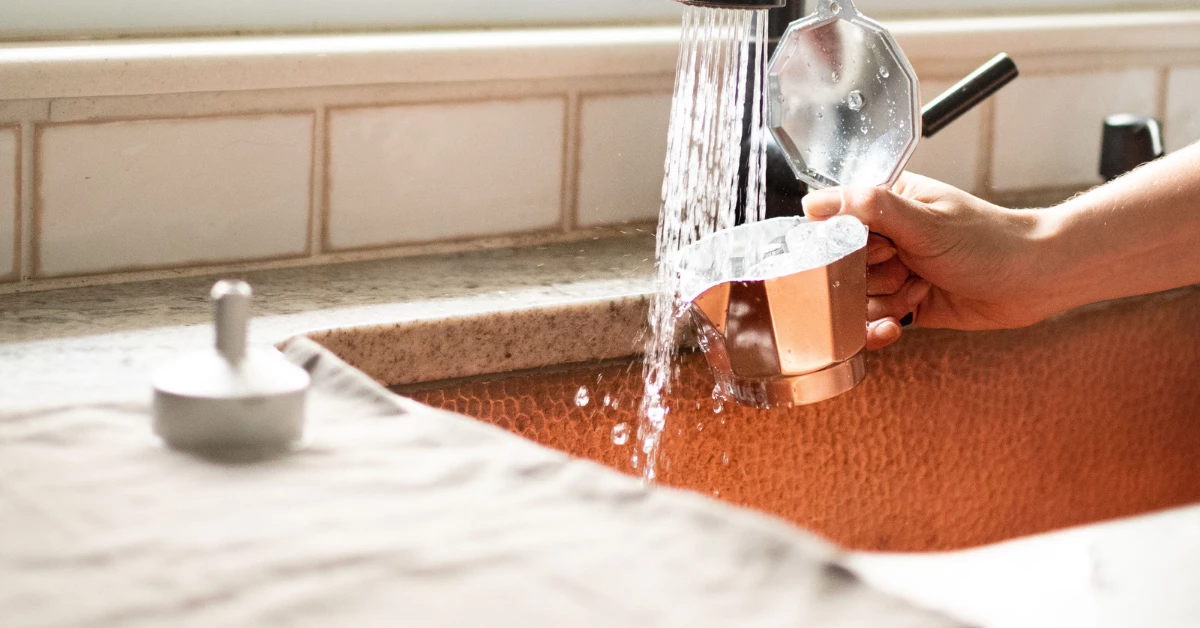
In order to have a good cup of coffee, it is necessary to have good ingredients and good tools, so it is impossible to ignore the steps of preservation and instructions for use. Moka Pot, an icon of the Italian coffee industry, came from an ordinary coffee maker. Let's check out steps on how to clean the Moka pot.
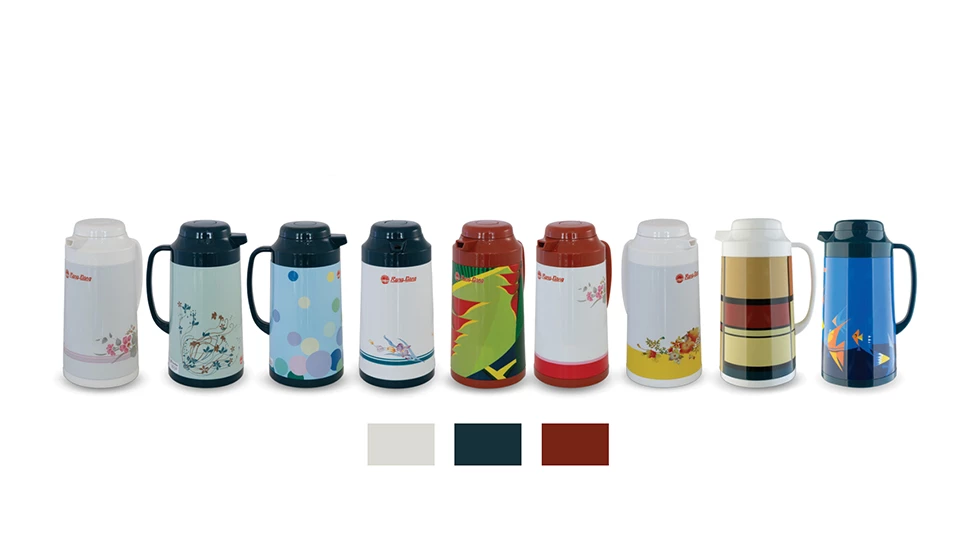
Cleaning a thermal bottle, which has become one of our 'daily' items given its convenience, not only helps extend its lifespan, but also protects the user's health.
Thermoses are one of the most versatile accessories. A thermos keeps our favorite beverage at the optimal temperature throughout the day. Due to its specific shape and design, cleaning may be challenging unless users grasp through the following tips to keep the thermos perfect and avoid deterioration.