Thermos Flask Sweating and Ways to Fix It
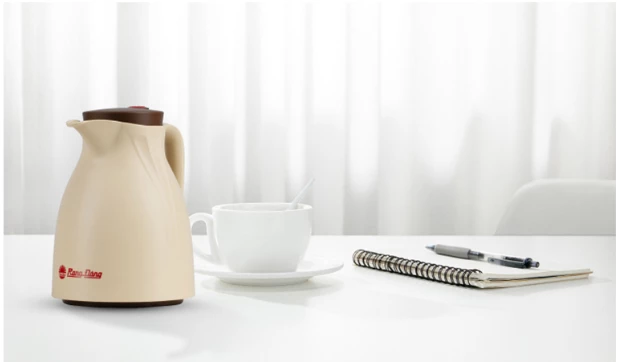
A thermos flask is designed to maintain the temperature of beverages for long periods. Users may notice that the bottle sometimes “sweats” or forms droplets on the outer surface. The phenomenon often leads to confusion, especially when customers expect vacuum-insulated products to remain completely dry. Understanding why this happens not only helps protect the thermos flask but also improves daily usage. The following article explains the causes of sweating and suggests practical ways to prevent it.
Moisture forming on the outer wall of a thermos flask, often referred to as “sweating”, may raise concerns about the product quality or performance. However, the causes are simple and easy to manage.
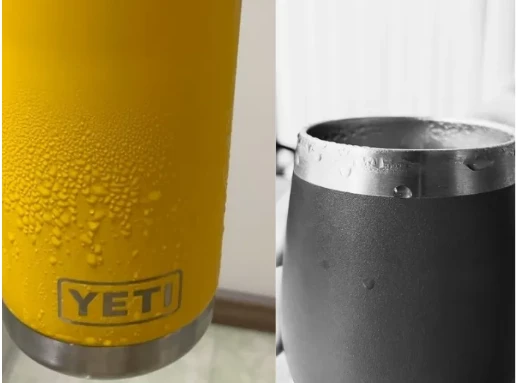
Sweating on the outside of a thermos flask often results from weakened insulation or extreme temperature differences between the drink and the surrounding environment.
Sweating Reasons
Temperature difference
The most common cause of sweating is the large difference in temperatures of the liquid in storage and the surrounding environment.
When a thermos flask contains cold water or ice, the outer surface may be cooler than the surrounding air. Air humidity may condense, forming droplets on the surface, which is similar to how a cold drink “sweats” on a hot day. This phenomenon is normal and does not indicate product damage.
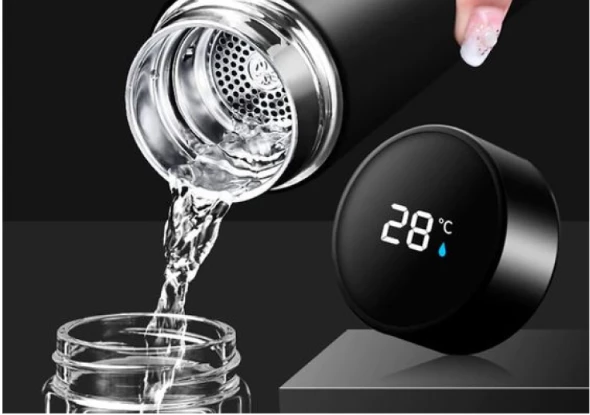
Sudden temperature changes caused by pouring hot or cold liquids can create condensation on the outer surface of a thermos flask.
Weaken vacuum insulation
A quality thermos flask relies on a vacuum layer between the inner and outer walls to prevent heat transfer. If the vacuum seal becomes compromised due to dropping, impacts or long-term wear, the insulation performance decreases.
As the outer wall becomes colder, moisture condenses and forms noticeable droplets. If sweating becomes excessive or the flask no longer keeps drinks hot or cold effectively, weakened insulation may be the cause.
Gasket or lid issues
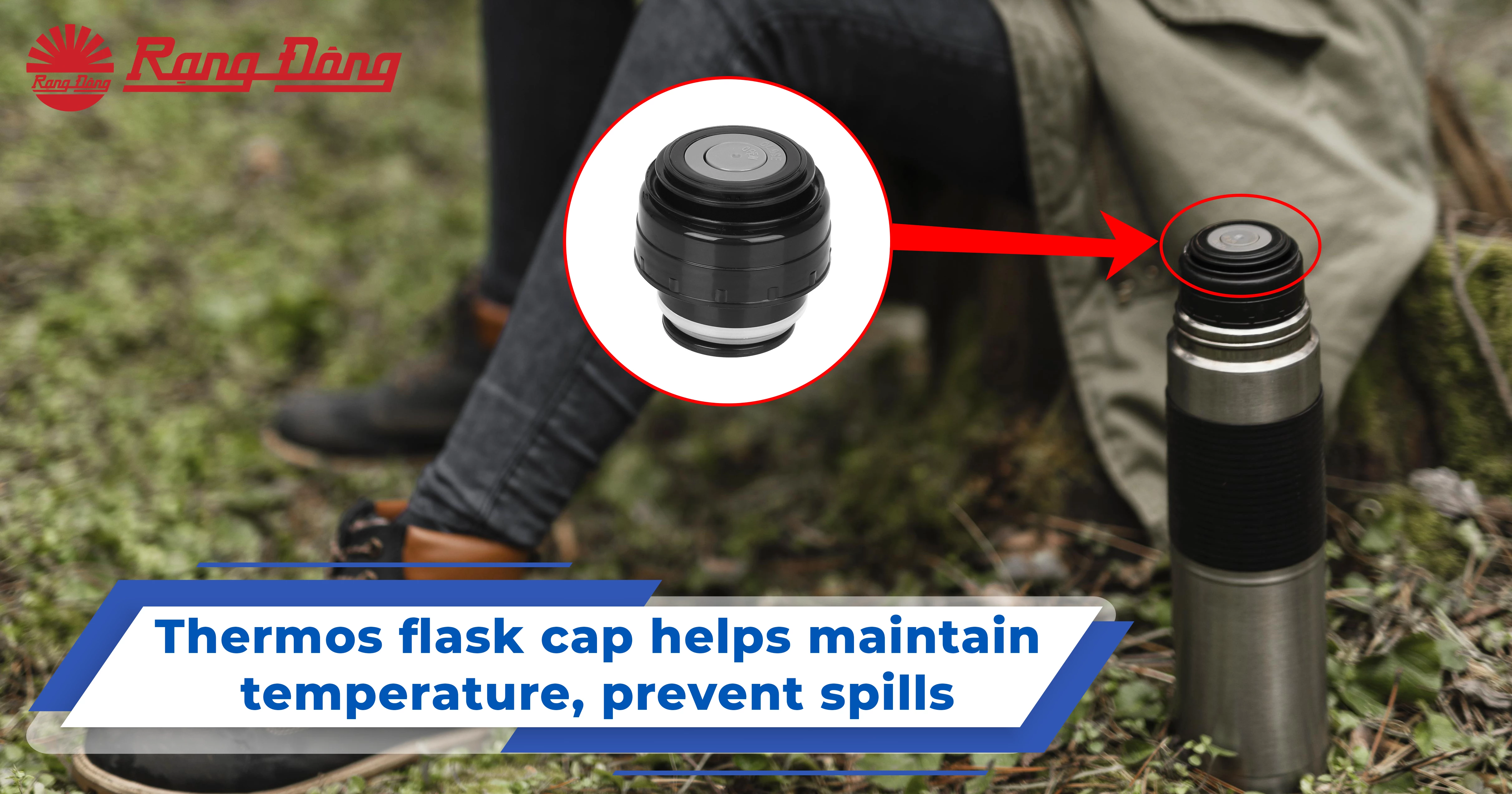
Condensation may also occur around the lid if the gasket is loose, cracked, or improperly installed. When warm air escapes through the lid and meets cooler surfaces, droplets appear. This problem is common in thermos flasks that are frequently opened and closed or have been used for months without checking the gasket condition.
External moisture
Sometimes the moisture is not from condensation at all, but it comes from water left on the flask after washing, or when the flask is placed on a damp surface. Customers often mistake this for sweating, even though the flask is functioning correctly.
Flask Sweating Fix
Proper use based on temperature
In order to reduce condensation, avoid exposing the flask to sudden temperature changes. For cold drinks, keep the flask in a cooler or shaded place instead of direct heat. Using a silicone sleeve or carrying cover also helps minimize surface condensation.
Check the vacuum insulation
If sweating becomes unusually heavy or the thermos flask no longer retains temperature, the vacuum seal may be compromised. In this case, replacement is often the only effective solution because the vacuum layer cannot be repaired at home.
Inspect and replace the gasket
Make sure the lid gasket fits tightly and is not worn out. Replacing old gaskets restores proper sealing and prevents warm air from escaping and causing condensation.
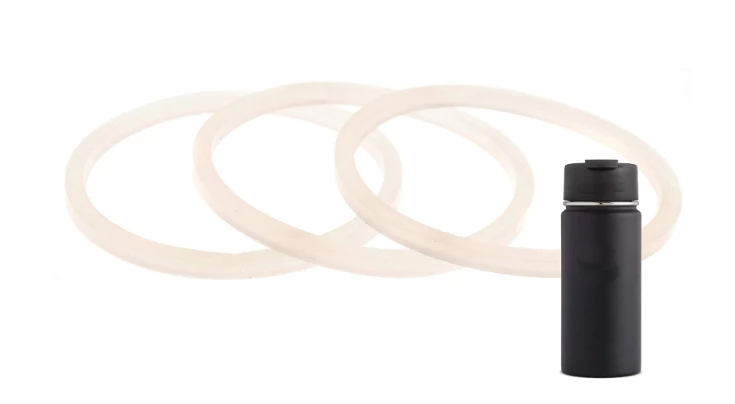
Regularly inspecting and replacing the gasket helps maintain a thermos flask’s proper seal, preventing leaks and reducing condensation issues.
Dry thoroughly after cleaning
After washing, wipe the surface and lid carefully. Even high-quality thermos flasks will appear to “sweat” if residual moisture remains on the outer wall.
Avoid dropping or strong impacts
A thermos flask is sensitive to physical damage. Impacts can deform the inner chamber and break the vacuum layer.
Handling the flask gently extends its lifespan and maintains consistent insulation performance.
Should you have any questions or request a quotation of Rang Dong products, please send us an email to: export@rangdong.com.vn
Websites: en.rangdong.com.vn and vacuumflask.rangdong.com.vn.
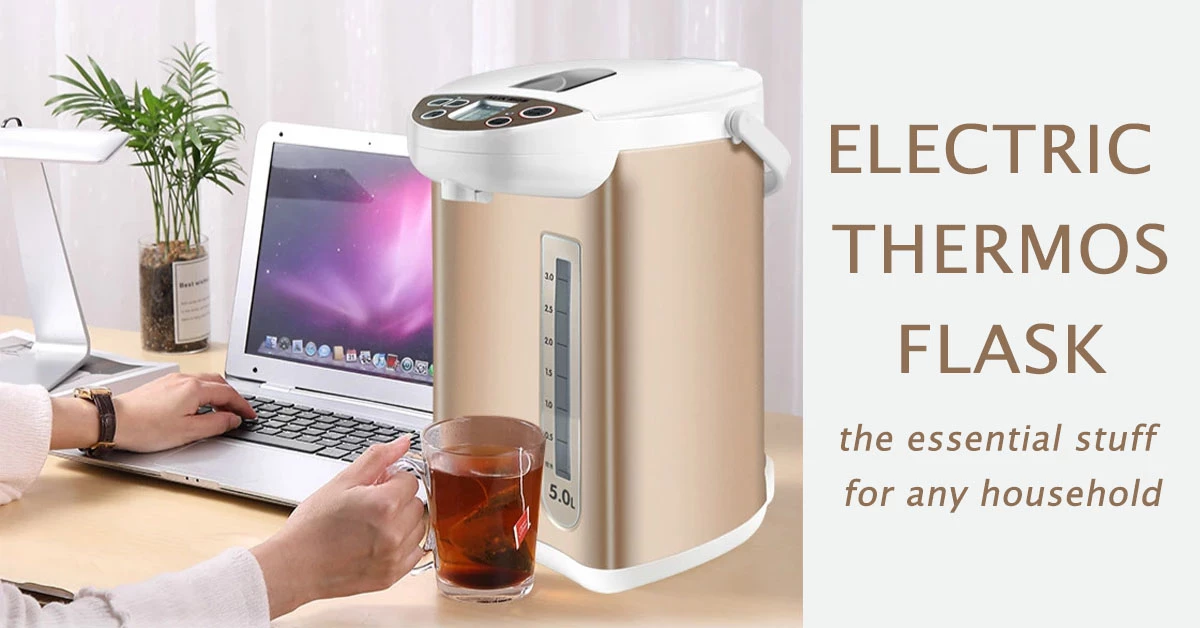
An electric thermos flask can fascinate customers because it offers both the functions of boiling water and holding hot water for a long period. The product from manufacturers such as Tiger, Panasonic and several others has been made widely available in supermarkets. For a closer look at this convenient item, let’s check out the following article.

When bringing a sealed thermos flask close to the ear, users often hear a sound coming out like a draft. People may wonder why such a sound is there, others could think that the flask is broken. Let's take a look at the inner mechanism of a thermos flask to it produces such a sound.

Rang Dong thermos has gained its reputation in northern Vietnam decades ago, right from the 1960s when it was first produced because there was no electric or gas stove at the time, not to mention super-speed kettles, while it was cold for three to four months during winter. It may not be an exaggeration when we say the traditional thermos flask was the most essential consumer product at that time. Today Rang Dong's reputation stands firm at home and the company has also been expanding its penetration in overseas markets.
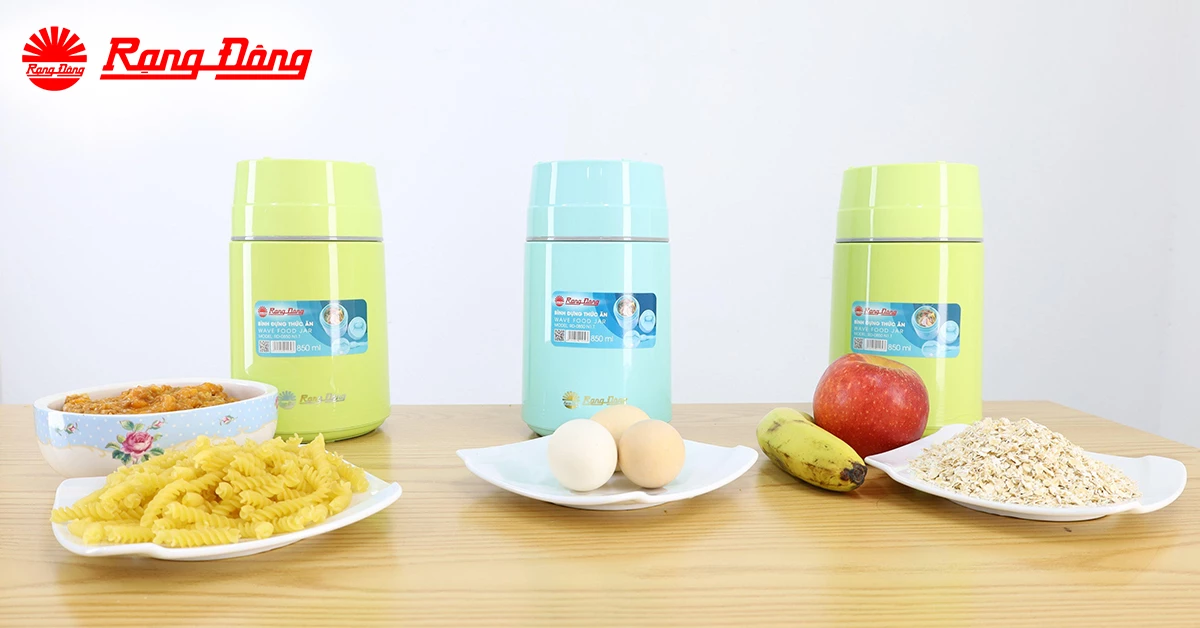
Having summer-holiday keeps your brain in gear and stops you from forgetting almost everything you’ve worked so hard to learn. There are a lot of ways of keeping your brain in speed over the summer. It can be having a quick read through what you learned last year, buying the books you need, getting your school bag ready. Besides, you probably never think about the benefit of preparing lunch with a thermos flask for food. It is a good way to put your baby up back into the routine of studying. Let’s look at the recipe we suggest doing before your children go back to school.
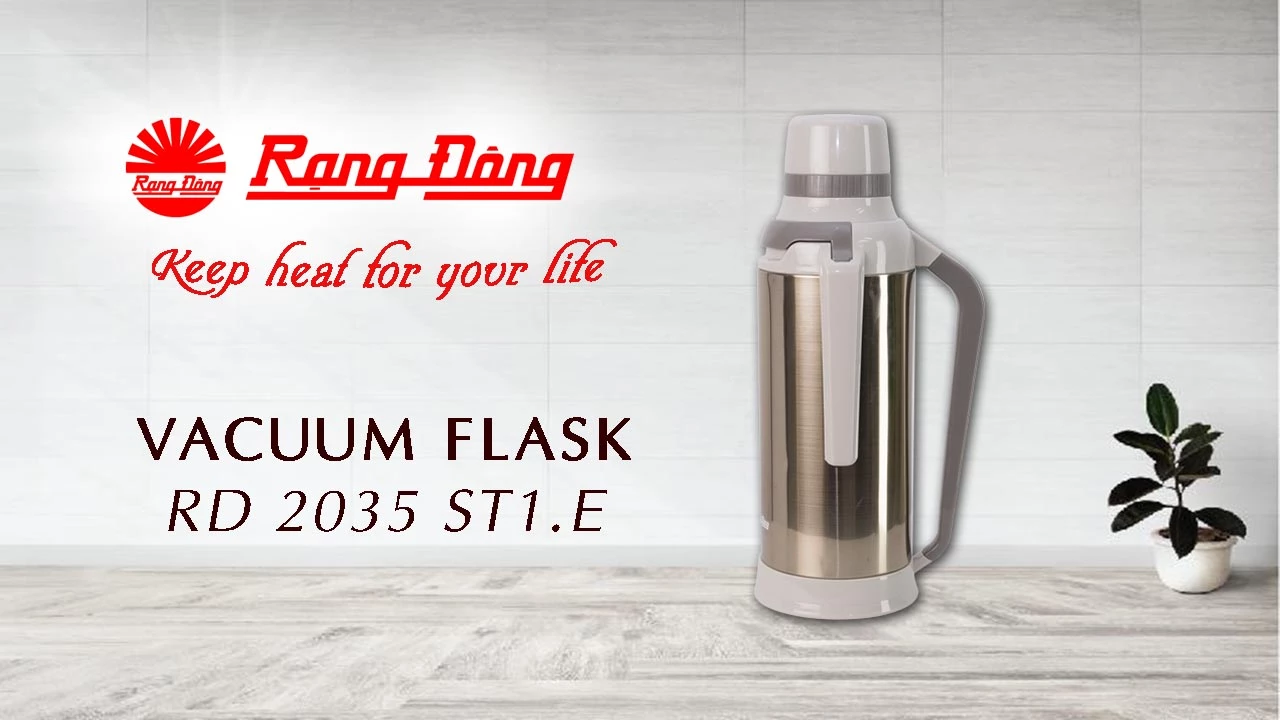
Rang Dong has developed a beautiful thermos flask that is capable of retaining heat for a long time and easy to clean. The 2-liter thermos flask, model RD 2035 ST1.E, carries breakthroughs in style and many functions, for which it has won the hearts of users within a short time since being marketed. Let’s figure out what is special about this product in the following article.
Many people have been using thermos flask as the device conveniently keeps hot and cold drinks/soups for many hours. It becomes quite handy when we need to go out for shopping, going to work or school, or camping. The thermos flask’s heat retention is in place thanks to its special structure.