Tips on Ways to Deal with Dehydration and Rehydrate Fast
Dehydration can set in faster than expected — after a long outdoor session, an intense workout, a bout of illness, or simply a busy day without enough to drink. Knowing how to rehydrate fast goes beyond reaching for a glass of water; it involves understanding which fluids work best, how electrolytes accelerate recovery, and which habits help the body restore balance more efficiently. This article covers the most practical and evidence-supported strategies for rapid rehydration that work for everyday situations.
Effective rehydration starts with recognizing dehydration early. Common early signs include thirst, a dry mouth, darker-than-usual urine, reduced energy, and mild headaches. As dehydration progresses, symptoms can include dizziness, difficulty concentrating and muscle cramping.
Catching these signals early makes it significantly easier to rehydrate fast, since a mild deficit responds quickly to straightforward fluid replacement, while a more advanced deficit takes longer to correct and may require medical attention in severe cases.
Start with Water, Add Electrolytes
The immediate priority when dehydration is detected is to begin drinking fluids without delay. Plain water is the right first step and should be consumed steadily rather than in one rapid large volume. Drinking too much water too quickly can cause stomach discomfort and, in extreme cases, dilute blood sodium to problematic levels.

A glass of water plus an electrolyte sachet makes the most effective approach to rehydrate fast.
The next step is electrolyte replacement. Water alone does not replenish the sodium, potassium and magnesium lost through sweat or illness. These minerals are essential for the body to actually retain the fluid consumed rather than losing it through urine. This is why rehydrating fast after heavy sweating or vomiting requires more than plain water.
Use Oral Rehydration Solutions
Oral Rehydration Solutions (ORS) are specifically formulated to maximize fluid absorption in the small intestine. They contain a precise ratio of sodium, glucose, and water that activates a sodium-glucose co-transport mechanism in the gut, drawing water into the bloodstream more rapidly than plain water can achieve on its own.
Originally developed for treating diarrheal illness, ORS is now widely used by athletes, outdoor workers, and anyone recovering from dehydration caused by heat or sickness.
ORS sachets are available at most pharmacies, or a simple version can be made at home by dissolving a small amount of salt and sugar in clean water. Low-sugar electrolyte tablets dissolved in a standard water bottle serve a similar purpose and are convenient for on-the-go use.

Oral rehydration solution mixed in water provides a clinically tested balance of sodium and glucose that helps the body rehydrate fast.
Coconut, electrolyte-rich foods
For mild to moderate dehydration, coconut water is a practical natural alternative to formulated electrolyte drinks. It contains potassium, sodium, and magnesium in proportions that support fluid retention, along with natural sugars that provide a small energy boost without excessive sweetness.
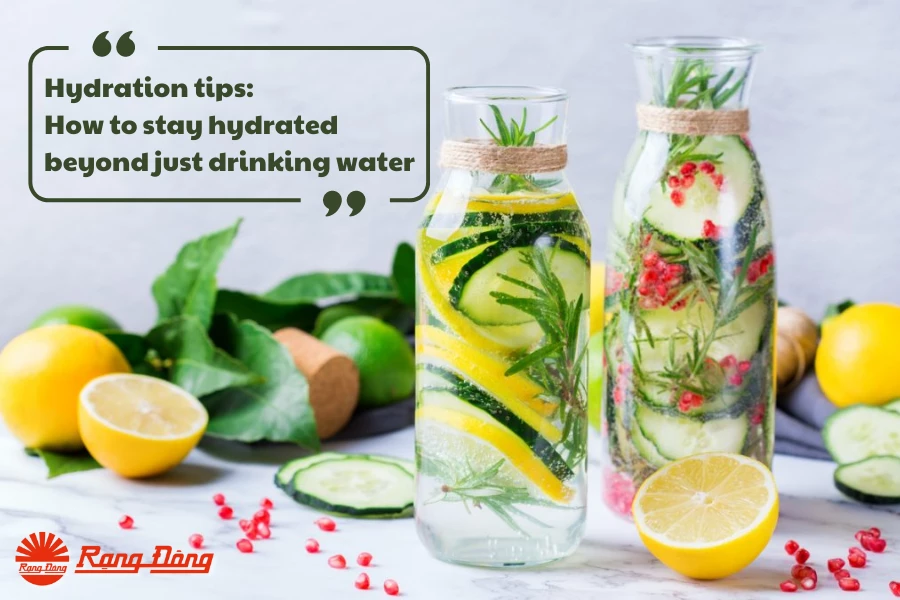
Certain foods also contribute meaningfully to rapid rehydration. Watermelon, cucumber, oranges, and bananas all combine high water content with electrolytes that support recovery.
Soups and broths are particularly effective when illness is the cause of fluid loss, as they deliver sodium and fluid together in a form that is easy to consume when appetite is reduced.

Coconut water, watermelon slices and a bowl of broth support faster recovery from dehydration.
Drinks to avoid
When the goal is to rehydrate fast, some common beverage choices such as alcohol, caffeinated and sweet drinks actively work against that objective.
Alcohol suppresses the hormone that signals the kidneys to retain water, increasing urine output and deepening dehydration rather than correcting it.
Caffeinated drinks have a mild diuretic effect that partially offset their fluid content. Heavily sweetened soft drinks slow gastric emptying, which delays fluid absorption and can cause digestive discomfort when the body is already under stress.
Building babits
The most reliable way to rehydrate fast is to avoid falling significantly behind in the first place. Drinking consistently throughout the day, rather than waiting for thirst to develop, keeps fluid levels stable and reduces recovery time when losses do occur.
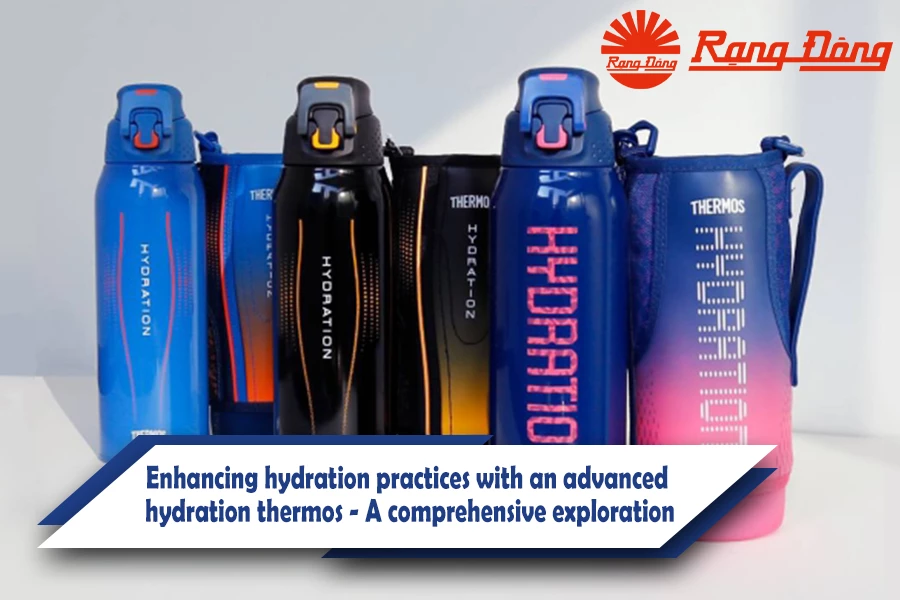
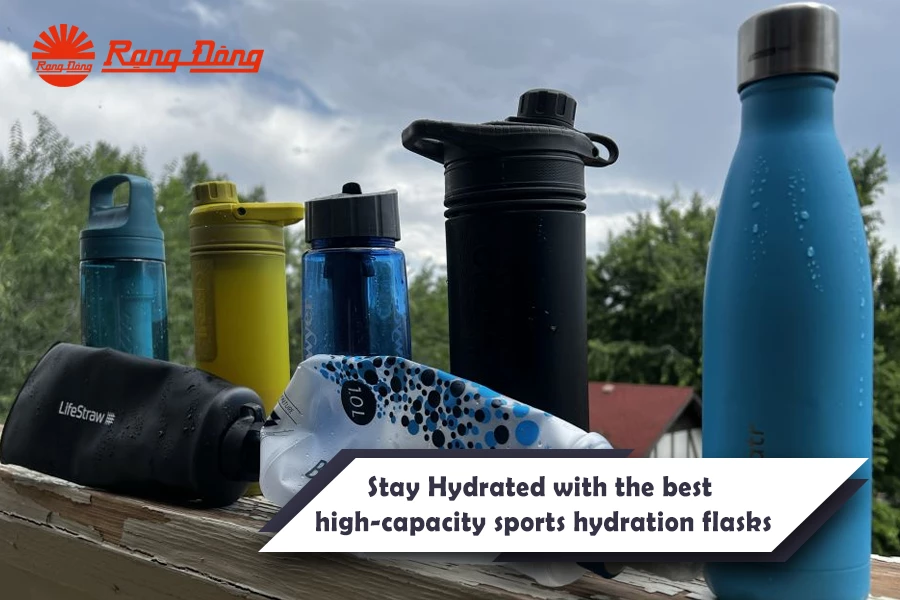
Keeping a filled insulated flask or vacuum flask within reach at all times makes consistent intake a practical default rather than a deliberate effort.
Thermal bottles from Rang Dong, Vietnam’s leading manufacturer of vacuum flask products, are capable of keeping beverages cold for extended hours, supporting regular hydration through the warmest parts of the day.

An insulated vacuum flask storing cold water helps maintain consistent fluid intake and reduce the need to rehydrate quickly after significant losses.
Should you have any questions or request a quotation of Rang Dong products, please send us an email to: export@rangdong.com.vn
Websites: en.rangdong.com.vn and vacuumflask.rangdong.com.vn
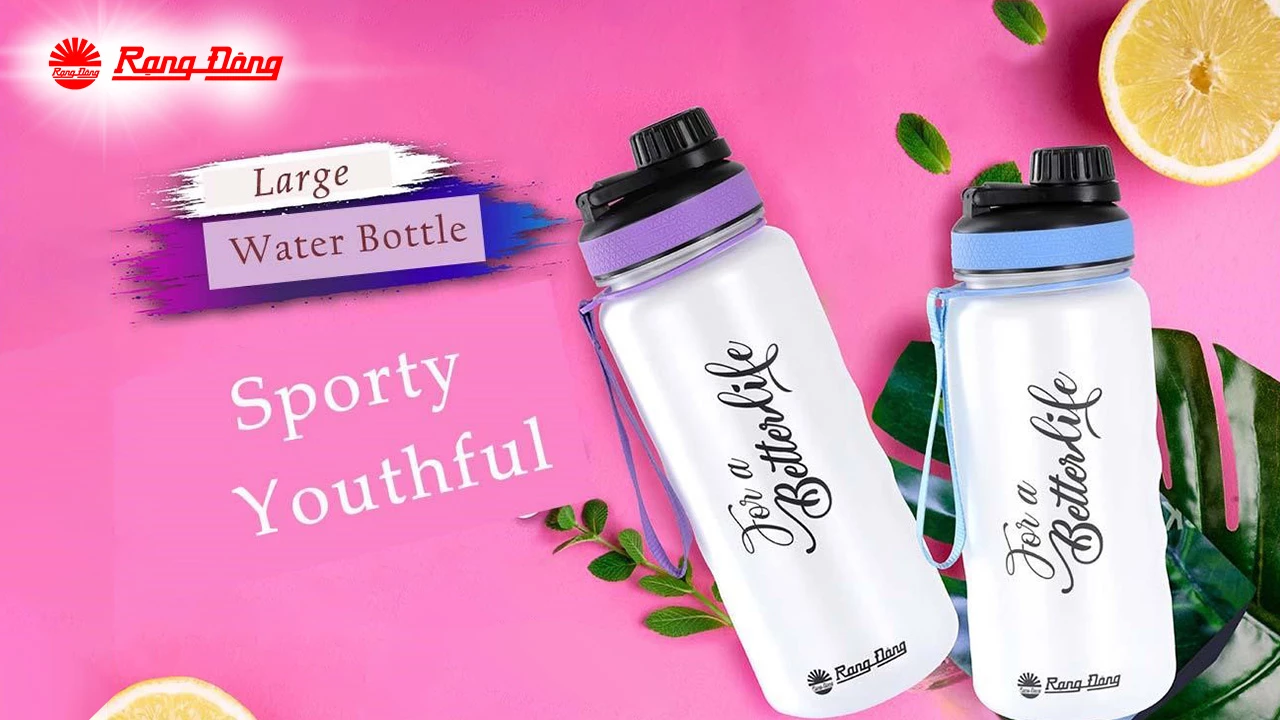
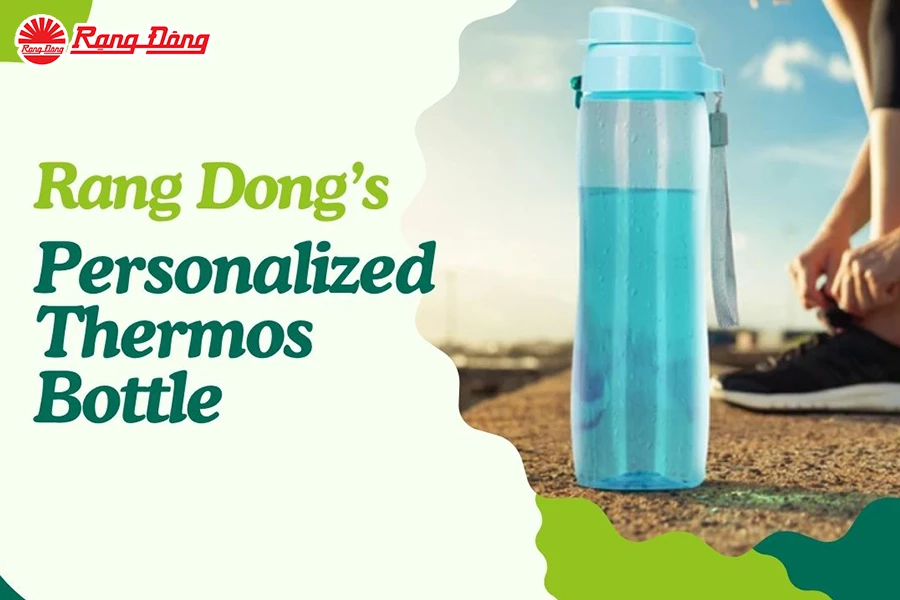
It can be said that water impacts virtually every aspect of people’s performance. Strength, power, speed, agility, and reaction time are decreased with as little as 2% dehydration. Hence, using large water bottles as RD-12P1 and RD-10P1 is necessary to remember drinking water. Let’s find out what makes these bottles outstanding of current on the market.