Factory Insights: Manufacturing of Rang Dong’s Vacuum Flasks
From glass melting to the final stage of assembly, the production of high-quality vacuum flasks involves more than just assembling metal and glass. It is a meticulous process requiring advanced technology and skilled labor. Rang Dong, Vietnam’s leading manufacturer of vacuum flask products, has developed a comprehensive eight-step process from mixing raw materials to quality inspection and packaging. The following article explores insights of the company’s manufacturing process.

Rang Dong has been exporting vacuum flasks to more than 30 countries and territories.
Producing vacuum flasks that meets international quality standards and which has won the mind and heart of consumers in some 30 import destination countries requires a precise and efficient workflow.
The eight production steps have been designed to guarantee that every flask delivers excellent thermal performance, durability and safety for daily use.
Step 1. Mixing Raw Materials
It begins with carefully weighing and mixing raw materials to produce the inner glass liner, the core of a vacuum flask. The materials include high-purity silica sand, borax, soda ash and some other additives.
The exact formulation determines the durability, transparency and thermal efficiency of the final product.
Step 2: Glass Melting
The raw material mix is heated in a glass furnace at temperatures exceeding 1,300 degrees Celsius (2,372 degrees Fahrenheit) to become a homogeneous, molten glass. The resulting glass is ready to be molded into the inner component of the vacuum flask.

Step 3: Outer Flask Processing
While the inner liner is being prepared, the outer stainless steel or plastic body of the flask is also manufactured. This involves cutting, shaping, and surface finishing. Depending on the model, this body may include powder coating or laser-etched branding, ensuring both style and function.


Step 4: Quality Check and Storage of Outer Flasks
Each outer flask is inspected for shape accuracy, material defects and finish quality. Once approved, the components are stored in the warehouse until ready for final assembly.
Step 5: Inner Flask Processing
The molten glass from Step 2 is formed into glass liners, which are then silvered or aluminized to create the reflective inner surface needed for thermal insulation. A vacuum is created between the inner and outer walls, forming the core of the vacuum flask’s heat retention capability.
Step 6: Quality Check and Storage of Inner Flasks
Each inner flask undergoes vacuum integrity testing and thermal insulation assessment. Flasks meeting Rang Dong’s standards are stored for final product assembly.
Step 7: Final Assembly
At this stage, the inner glass liner is carefully placed inside the outer body. The components are sealed, assembled with lids, bases and accessories.
A tight seal is placed to preserve the vacuum layer so the flask can perform at its best.
 A collection of Rang Dong's vacuum flasks designed with vibrant, patriotic artwork.
Step 8: Final Inspection and Shipping
Before the products are packaged and sent to distributors, they undergo a final quality inspection for functionality, leak resistance and aesthetic consistency. Once passing this stage, the flasks are officially logged into the system and prepared for shipping.
Tips for safe, effective use
In order to make the optimal use of Rang Dong's vacuum flasks, customers should preheat or precool the bottle with a small amount of hot or cold water before adding beverages.
Always close the lid tightly to preserve the vacuum seal, avoid using carbonated drinks, and clean the flask regularly with a soft brush and warm water to maintain hygiene and performance over time.
 All Rang Dong's vacuum flasks are compliant with industry safety regulations.
The journey of Rang Dong’s vacuum flasks is a testament to precision engineering and quality control. From raw materials to finished product, each step is carefully managed to deliver safe, efficient and reliable bottles.
Whether used in offices, at schools, or for travel, the company’s vacuum flasks stand out as a trusted choice for thermal performance and durability.
Should you have any questions or request a quotation of Rang Dong products, please send us an email to: export@rangdong.com.vn
Websites: en.rangdong.com.vn and vacuumflask.rangdong.com.vn
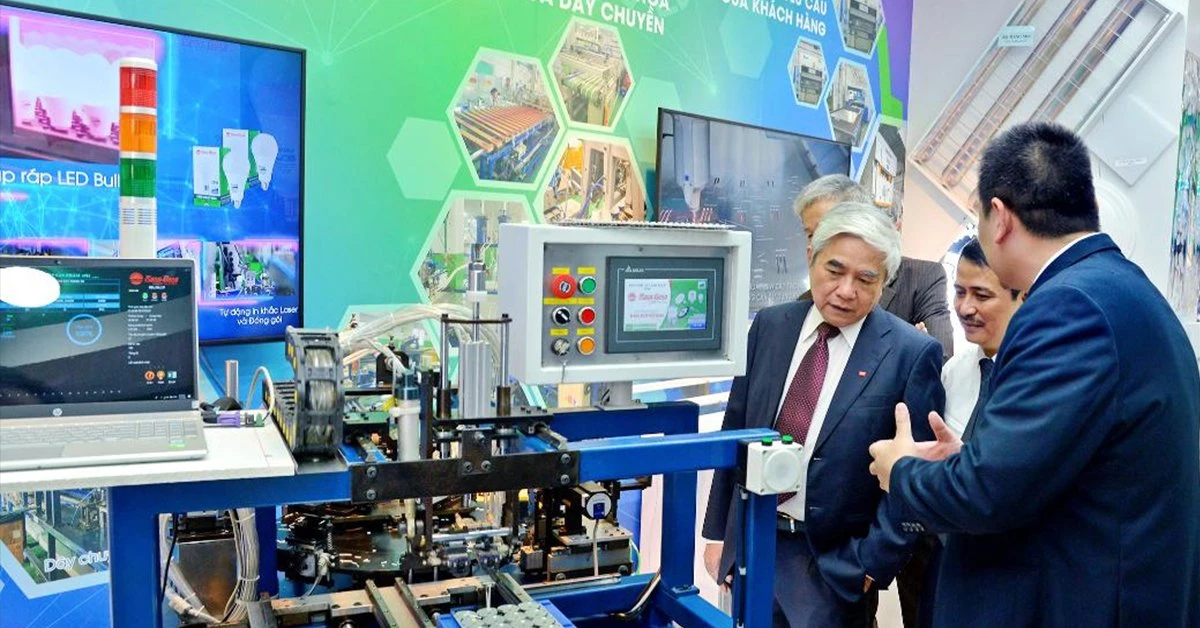
In order to quickly adapt to the new competitive environment and conditions of the globalization and I-4.0 revolution and despite the challenges of the technological layer transformation (from a technological company to a high-tech company), on July 1, 2019, Rang Dong decided to form a new program in focus: Program No. 1: Digital transformation of the Company.
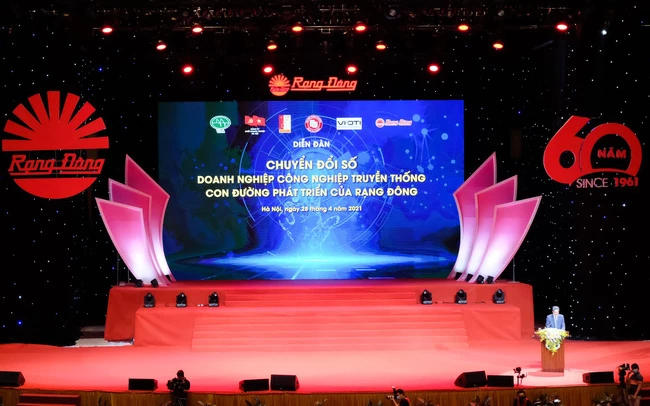
HANOI, April 28 (Rang Dong) - Rang Dong Light Source and Vacuum Flask Company (Rang Dong) has signed two deals with Vietnam Posts and Telecommunications Group (VNPT), Vietnam's top telecoms firm, and with FPT, the country's leading technology company, to expand the applications of Rang Dong's smart lighting products.
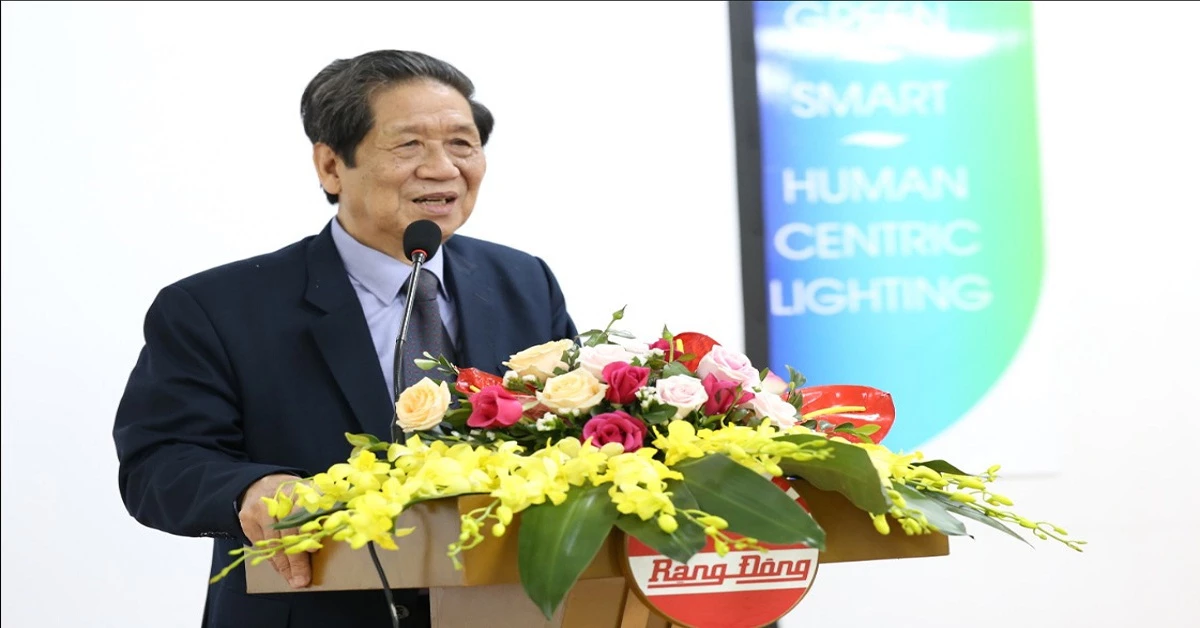
Rang Dong has launched a venture capital fund to stimulate the creativity of all its employees and helps implement successfully the company’s digital transformation strategy.
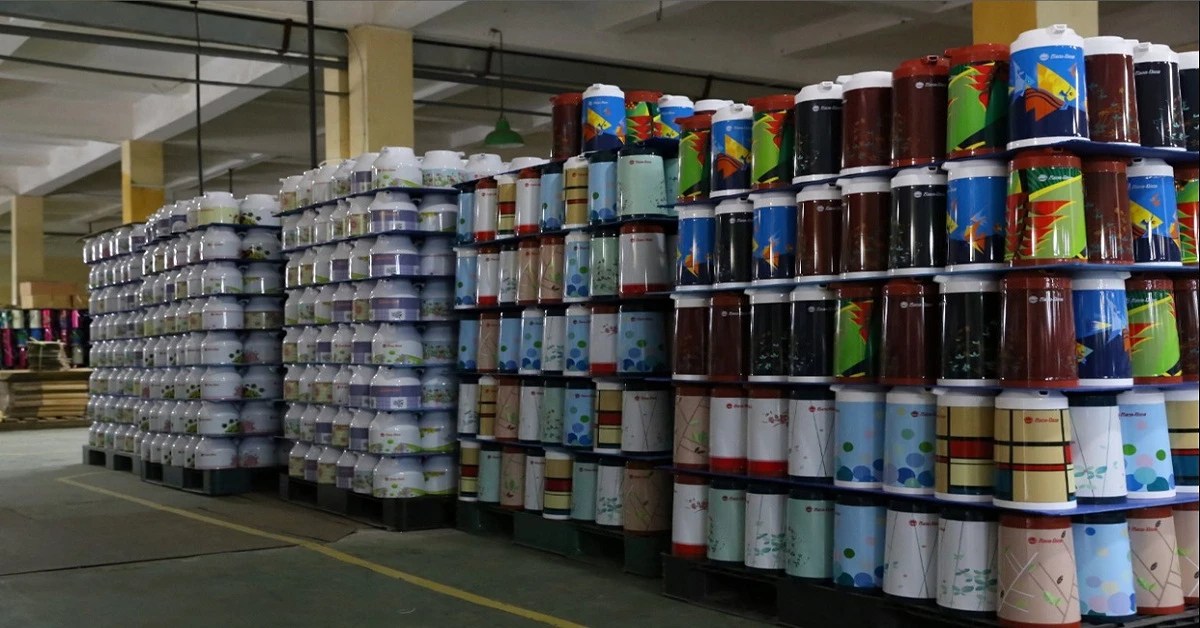
The consumers may purchase Rang Dong thermos without thinking of the price thanks to mass production, application of cutting-edge technology and automatic production lines, ensuring best quality of the products at the most preferential price. Therefore, Rang Dong's products aim to become an indispensable personal item of customers.