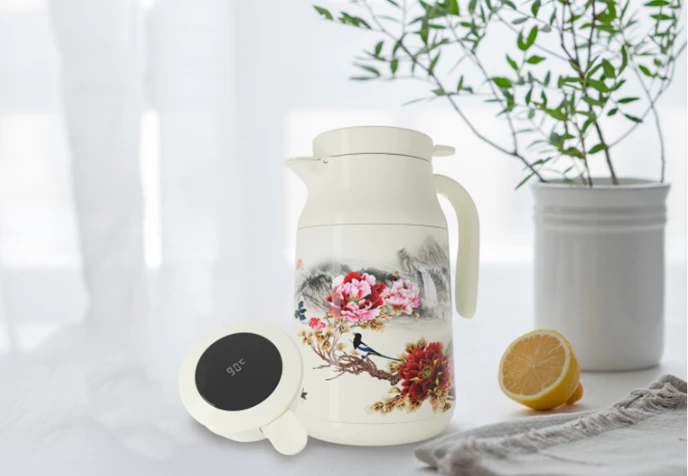
Essential Tips for Brewing Tea To Enjoy Full Taste, Character
While the beverage is loved by millions around the world for its beautiful color, rich flavor and relaxing aroma, not everybody understands how to brew it correctly to achieve a fragrant, balanced cup. The story below suggests five tips for brewing tea properly in order to unlock its full taste and character.
Tea steeping refers to the process of pouring hot water into a teapot containing the appropriate amount of tea leaves, then covering the pot, allowing the tea to rest for 10 to 40 seconds.
 Each tea variety requires a different water temperature. For instance, the water used for steeping oolong and black tea should be hotter than that for green tea.
In addition to the steeping temperature and duration, tea quality plays a crucial role. High-quality tea leaves give an aromatic, full-bodied cup, and true to its original character, whether enjoyed plain or in mixing with milk.
Water temperature
This is the most important factor in determining the final flavor. Oolong and black tea require hotter water to break down the leaf structure, releasing deeper aromas while green tea must be steeped at a lower temperature to preserve its gentle, refreshing taste.
Recommended steeping temperatures:
Green tea: 70–80 degrees Celcious (158-176 degrees Fahrenheit)
Oolong tea: Around 90 degrees C (194 degrees F)
Black tea: 80–90 degress C (176-194 degrees F)
Water that is too hot can “burn” the tea, creating a bitter or overly astringent taste. Water that is too cool prevents the flavor compounds from dissolving fully, resulting in a weak, flat brew.
Tea-to-water ratio
Using too much tea will produce an overly bitter cup, while too little reduces complexity and fragrance. Experts often recommend 25–30 grams of tea per 1000 ml of water (equivalent to 2.5–3g per 100ml).
A good starting point is 8 grams of tea for a 300-ml teapot, then adjusting the amount based on flavor preference and the type of tea being used.
Brewing time
 Brewing time determines whether the tea tastes smooth and balanced—or harsh and unpleasant. Steeping tea for too long cause bitterness.
Recommended steeping durations:
Black tea and oolong tea: 5–10 minutes
Green tea: Around 3 minutes
Tea for milk tea: 3–5 minutes, depending on strength
Using a high-quality thermal brewing bottle or insulated container will keep the temperature stable throughout the steeping process.
Brewing technique and tools
In order to preserve the integrity of the tea, it is best to pour hot water first, then add the tea leaves. This prevents essential oils from evaporating too quickly. Avoid stirring green or oolong tea while brewing, as this can cloud the tea and increase bitterness.
For green and oolong tea, lightly covering the lid instead of sealing it completely helps prevent steam buildup, keeping the aroma fresh.
A reliable, well-designed brewing bottle or thermal flask is essential for maintaining proper flavor and temperature control.
Storage after steeping
Storage plays an equally important role in maintaining tea quality after brewing. Depending on the brewing method, such as cold brew or hot steeping, tea may change color or flavor over time.
Freshly brewed tea stored at room temperature becomes darker as it cools, and prolonged exposure can make the tea cloudy and bitter. Tea should be checked regularly; if the flavor deteriorates, it is best to discard it and brew a fresh batch.
Notably, steeped tea stored in the refrigerator should not be kept longer than six hours, as extended storage affects both flavor and nutritional composition.
 Rang Dong’s flasks for premium tea brewing
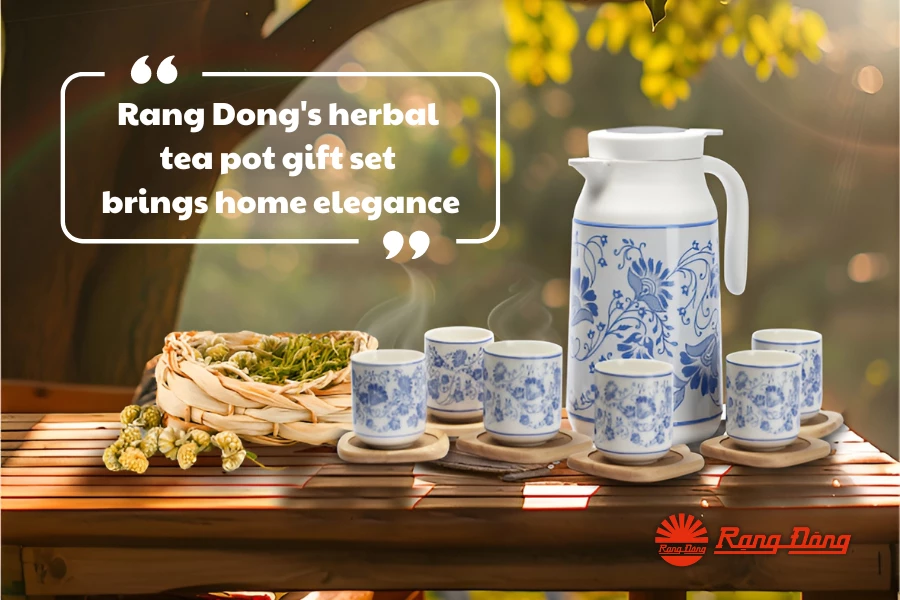
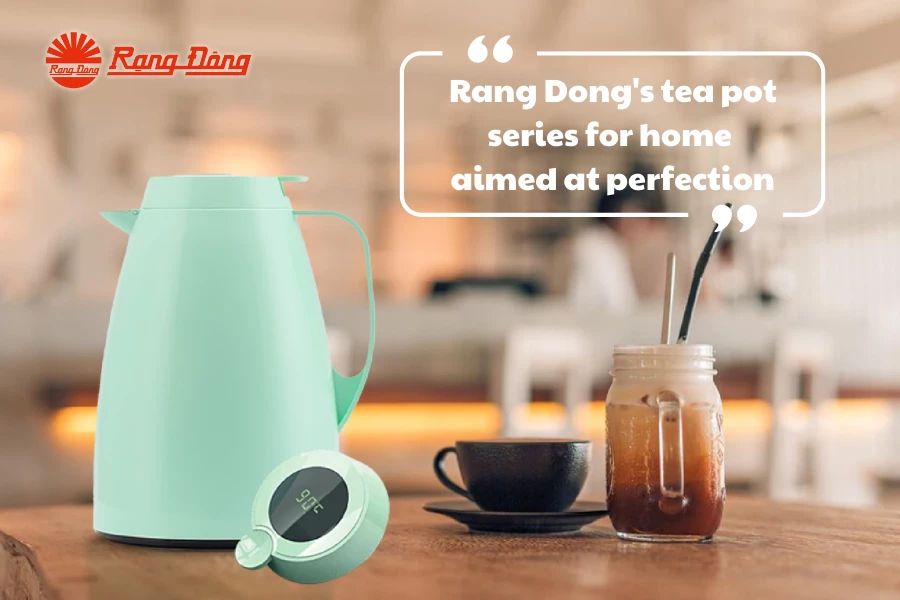
Rang Dong, Vietnam’s leading manufacturer of vacuum flask products, offers a wide range of thermal flasks designed for tea lovers, featuring multiple sizes and up to 12 hours of heat retention.
The high-quality glass liner preserves the tea’s original aroma and flavor, while dual insulation layers maintain temperature effectively. Equipped with convenient carrying handles, these flasks are suitable for daily use and travel, giving consistent, full-bodied tea every time.
Should you have any questions or request a quotation of Rang Dong products, please send us an email to: export@rangdong.com.vn
Websites: en.rangdong.com.vn and vacuumflask.rangdong.com.vn.
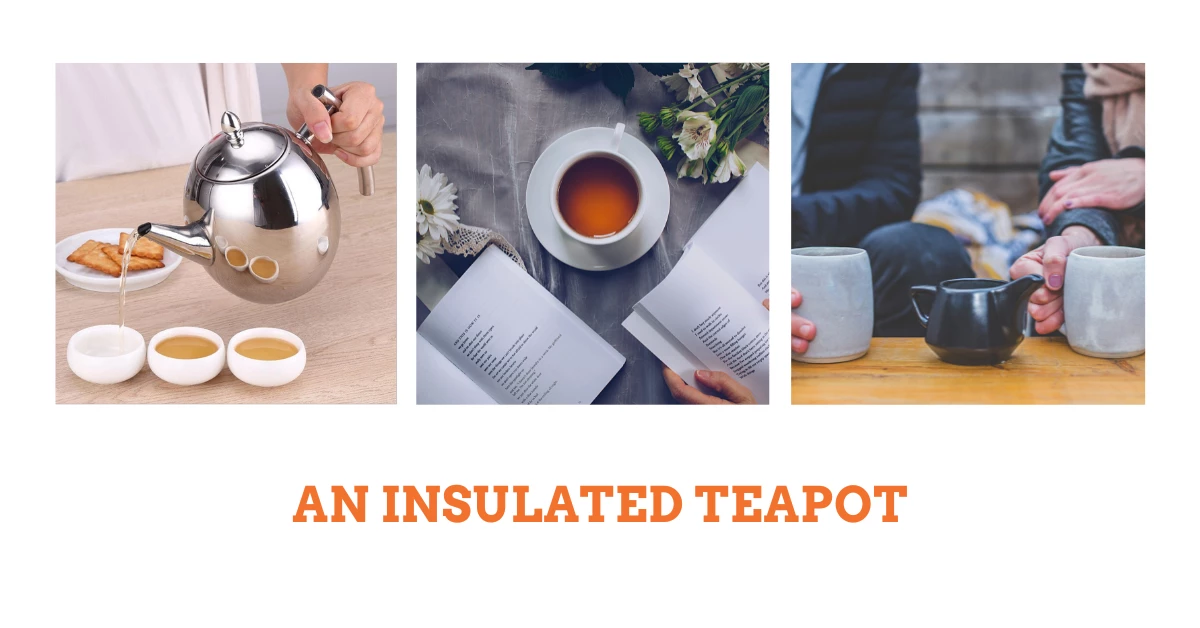
In any tea culture, the teapot always plays a crucial role since it has a great influence on the final flavor of each teacup, apart from water. A beautiful teapot can waken many feelings at tea drinkers while they enjoy the beverage. With insulated teapots, the supply of which is ample on the market, their prominent design will definitely enrich emotions of people at the table.
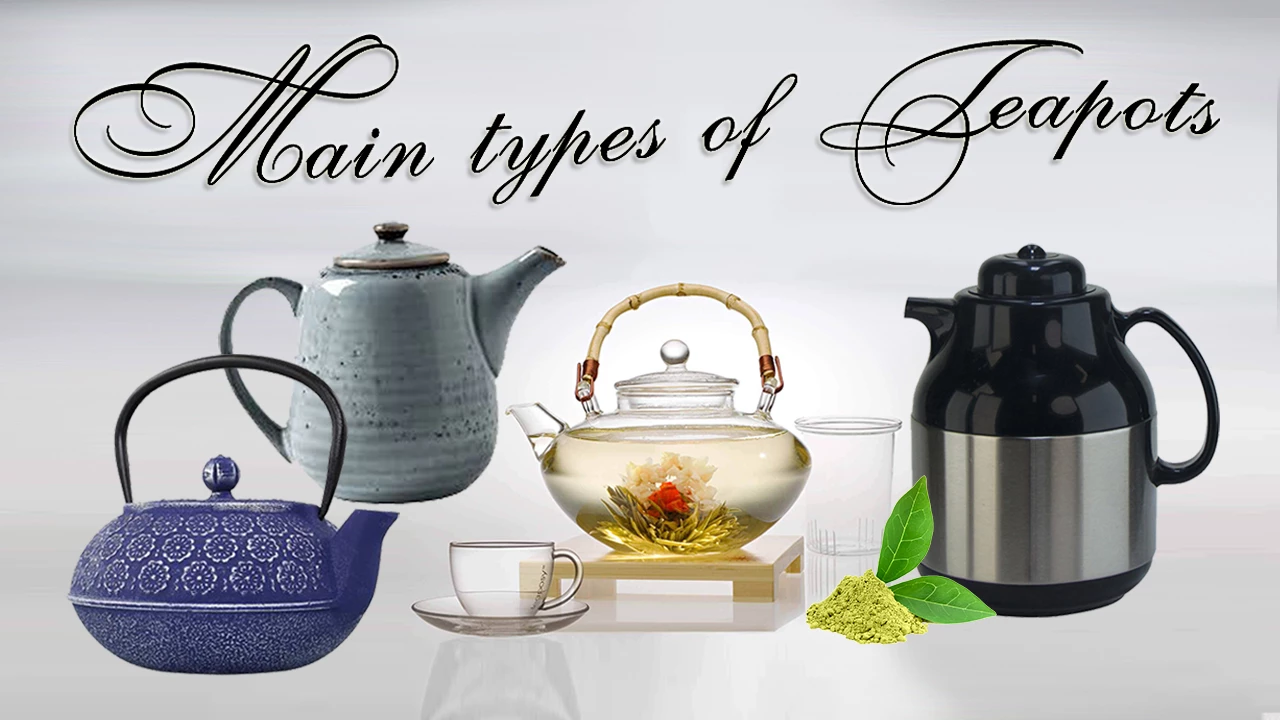
Tea is not just a simple drink, but it also has a unique culture of enjoying tea. For some people, drinking tea is simply an ordinary activity while tea connoisseurs consider it not only for drinking but also for enjoyment. Having a good cup of tea not only depends on the type of tea, its origin, but also the teapot as the tea would taste much better if brewed in the right pot.
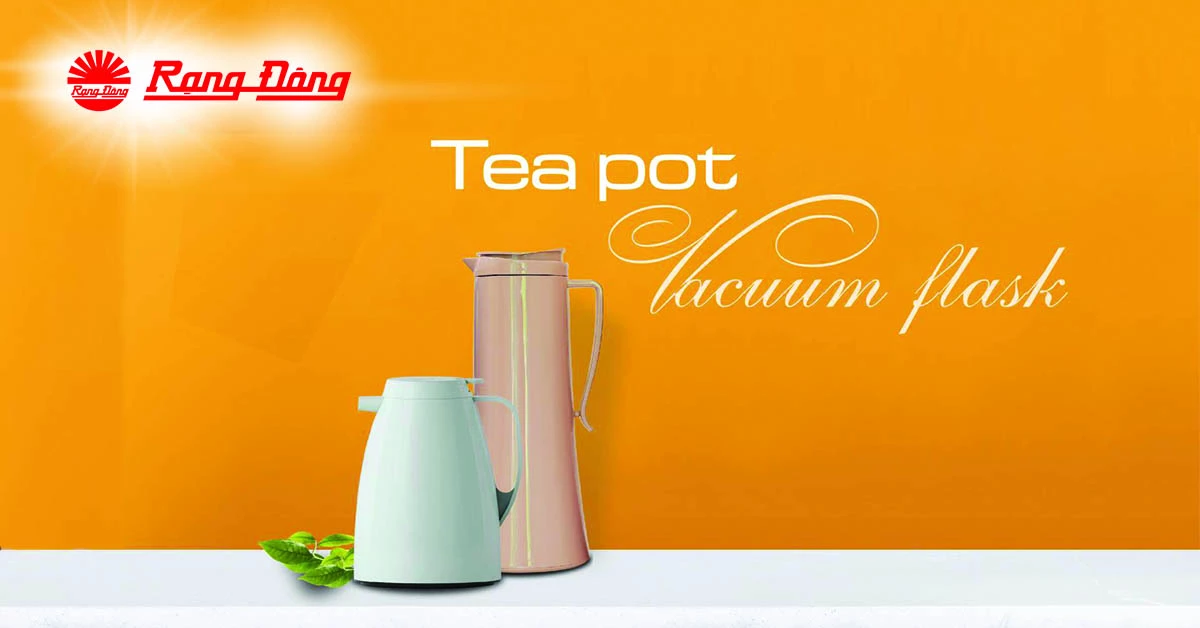
Tea culture has been playing an important role in many countries for a very long time. In the past, people had some simple ways of retaining the heat for tea, such as using tea cozy made from rice hulls. Nowadays, supported by technology, Vietnamese manufacturer Rang Dong has created a teapot vacuum flask with full advantages to well meet tea drinkers’ demand.