Glass-Lined vs Stainless Steel Flask in Taste Purity Retention
Vacuum flasks have become essential for maintaining beverage temperature throughout the day, but not all flasks deliver the same drinking experience. The debate between glass-lined and stainless steel vacuum flasks centers on a crucial factor: flavor preservation. Glass-lined flasks feature an interior coating that prevents metallic taste transfer, so the beverage can retain its original flavor thoroughly. While stainless steel models dominate the market with their durability and lightweight design, glass-lined alternatives offer distinct advantages for those who prioritize taste purity. Understanding the differences of the two technologies helps consumers make informed decisions based on their specific needs and preferences. The following article also compares durability, taste preservation, and temperature retention of the pair.
Material Composition, Construction
Glass-Lined Vacuum Flask
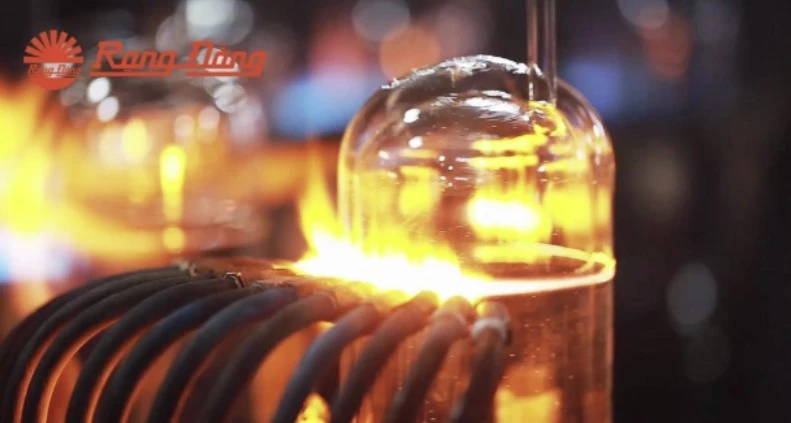
A thin layer of glass coating is applied to the interior stainless steel surface through a high-temperature fusion process. This glass layer creates a non-reactive barrier between the beverage and the metal, similar to the protective coating found in premium cookware.
The construction maintains the structural strength of stainless steel while adding the inert properties of glass. Modern manufacturing techniques ensure the glass lining bonds securely to the metal substrate, creating a durable hybrid material that combines the best characteristics of both elements.
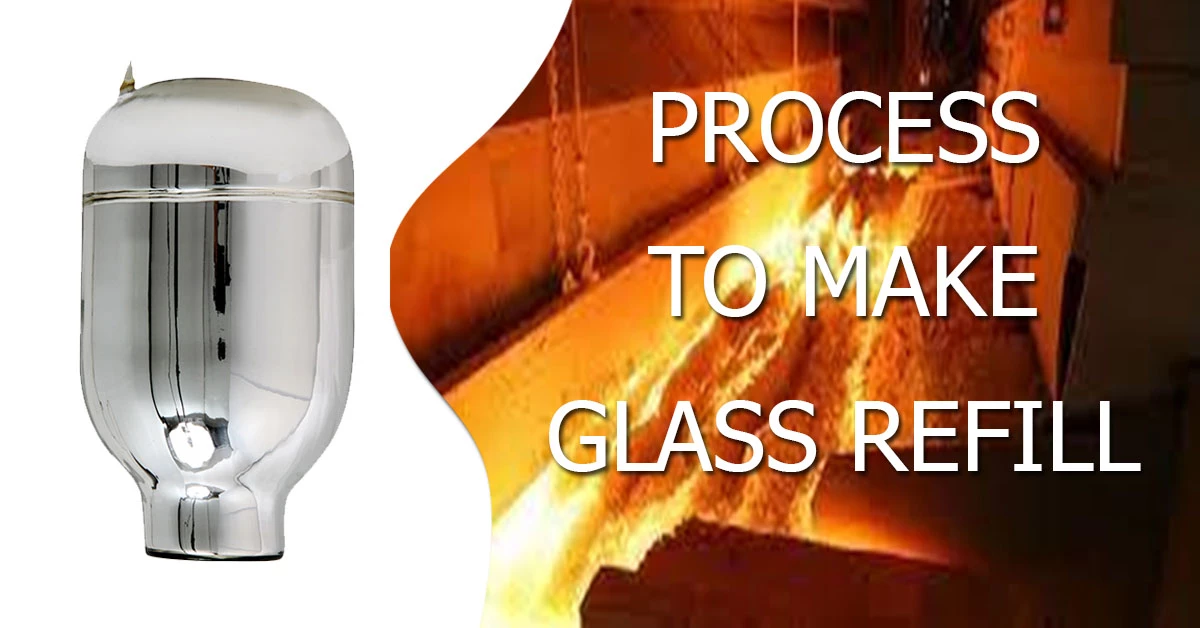
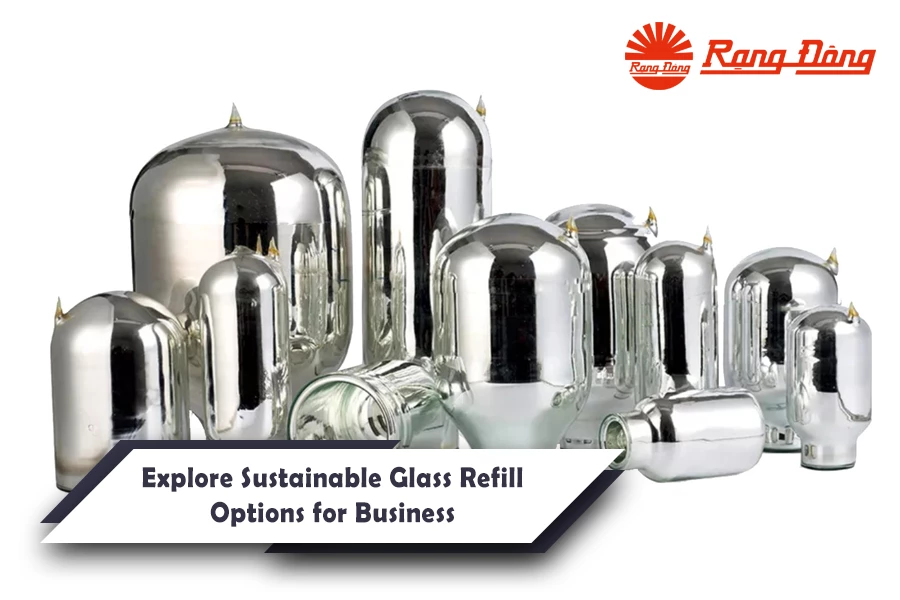
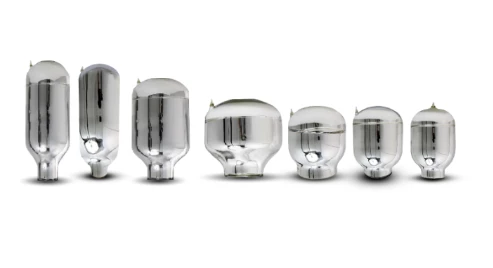
 Rang Dong’s glass refills are made using the latest technology and high-quality materials.
Stainless Steel Construction
In traditional flasks food-grade stainless steel (typically 304 or 316 grade) is utilized for both inner and outer walls. The double-wall construction creates a vacuum space between layers, providing excellent insulation properties.
Stainless steel offers natural corrosion resistance and durability without requiring additional protective coatings. The material's inherent strength allows manufacturers to create lightweight designs with thin walls, maximizing internal capacity while minimizing external dimensions.
Flavor Preservation, Taste Purity
Glass-Lined Advantage
The primary benefit of glass-lined vacuum flasks lies in their superior taste preservation. Glass is chemically inert, meaning it does not react with acidic beverages like coffee, tea, citrus juices or carbonated drinks.
This non-reactive surface ensures that beverages maintain their intended flavor without acquiring metallic undertones or off-tastes that can occur with direct metal contact.
Tea enthusiasts and coffee connoisseurs particularly appreciate glass-lined flasks because they preserve the subtle flavor notes and aromatic qualities that define premium beverages. The glass surface also resists flavor retention from previous contents, so users can switch between beverages without cross-contamination of tastes.

Rang Dong's glass-lined coffee pot is designed for optimal temperature retention and taste preservation to deliver pure flavor.
Stainless Steel Flavor Considerations
High-quality stainless steel flasks are designed to minimize flavor impact, and many users report no noticeable taste difference when using food-grade stainless steel products.
However, some individuals with sensitive palates detect subtle metallic notes, particularly when consuming acidic beverages or when liquid remains in the flask for extended periods.
The degree of flavor impact varies based on stainless steel grade, beverage type, and individual taste sensitivity. Modern electropolishing techniques create smoother interior surfaces that reduce potential taste transfer, improving the performance of stainless steel models.

Modern vacuum flasks combine sleek stainless steel exteriors with advanced insulation technology for optimal temperature retention.
Maintenance and Cleaning
Glass-lined flasks typically resist staining and odor absorption better than stainless steel alternatives. The smooth, non-porous glass surface releases residues easily during cleaning and does not retain flavors from previous beverages. Many glass-lined models are dishwasher safe, though hand washing extends product longevity.
Stainless steel flasks also clean easily but may develop staining from coffee or tea tannins over time, requiring periodic deep cleaning with specialized products. Both types benefit from regular cleaning to maintain hygiene and optimal performance.
For Ideal Use
Glass-lined vacuum flasks serve best for beverage enthusiasts who prioritize taste purity. Tea and coffee aficionados, wine enthusiasts using flasks for outdoor events, and individuals sensitive to metallic tastes find glass-lined options ideal. These flasks excel in office environments, home use, and situations where careful handling is practical.
The taste-neutral properties make them perfect for switching between different beverages throughout the day without flavor carryover.

Glass-lined vacuum flasks are ideal for office environments, keeping beverages at optimal temperature throughout the workday.
Meanwhile, stainless steel vacuum flasks are optimal for outdoor activities, sports, camping, hiking, and situations requiring maximum durability. Their impact resistance suits children's use, travel, and environments where drops or rough handling are likely

Double-wall vacuum technology preserves ice and cold drinks for extended periods without external condensation.
Budget-conscious consumers seeking reliable temperature retention without premium pricing find excellent value in quality stainless steel models. The lightweight construction and robust nature make them ideal for commuters and active lifestyles.
Should you have any questions or request a quotation of Rang Dong products, please send us an email to: export@rangdong.com.vn
Websites: en.rangdong.com.vn and vacuumflask.rangdong.com.vn.
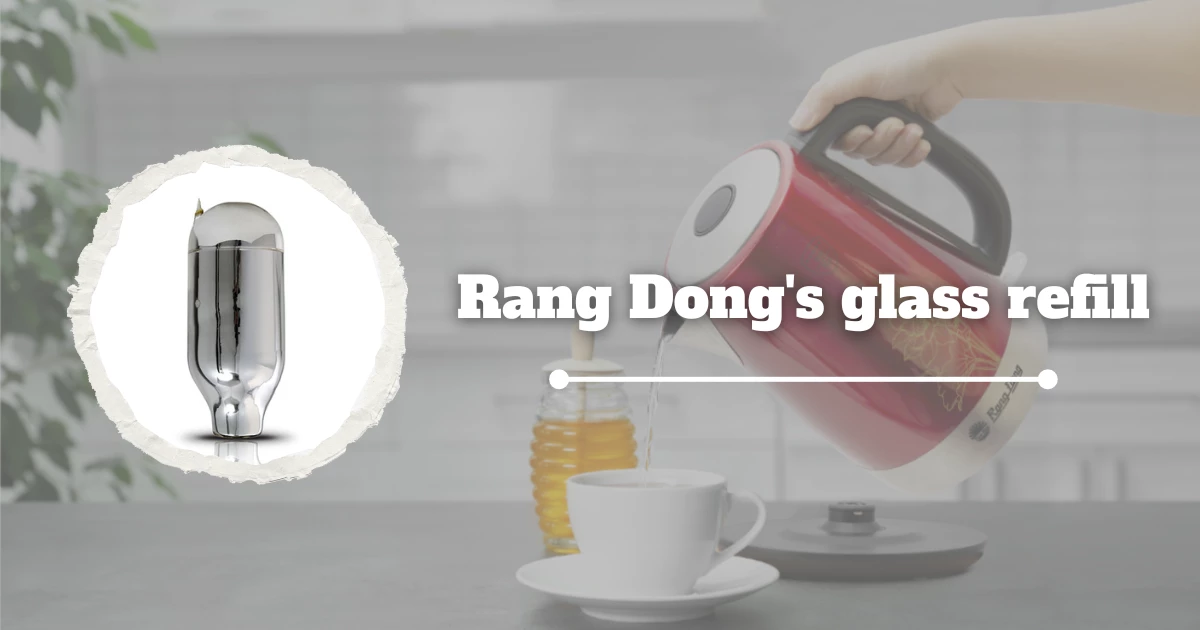
Rang Dong Light Source and Vacuum Flask Joint Stock Company, founded in 1961, was the first in Vietnam's northern region to begin producing vacuum flasks, also known as thermos. Since then, millions of Vietnamese as well as foreign consumers have grown to love the Rang Dong vacuum flask. Aside from designing new styles and shapes for the product, the Hanoi-based company also produces thermos spare parts such as glass refills.
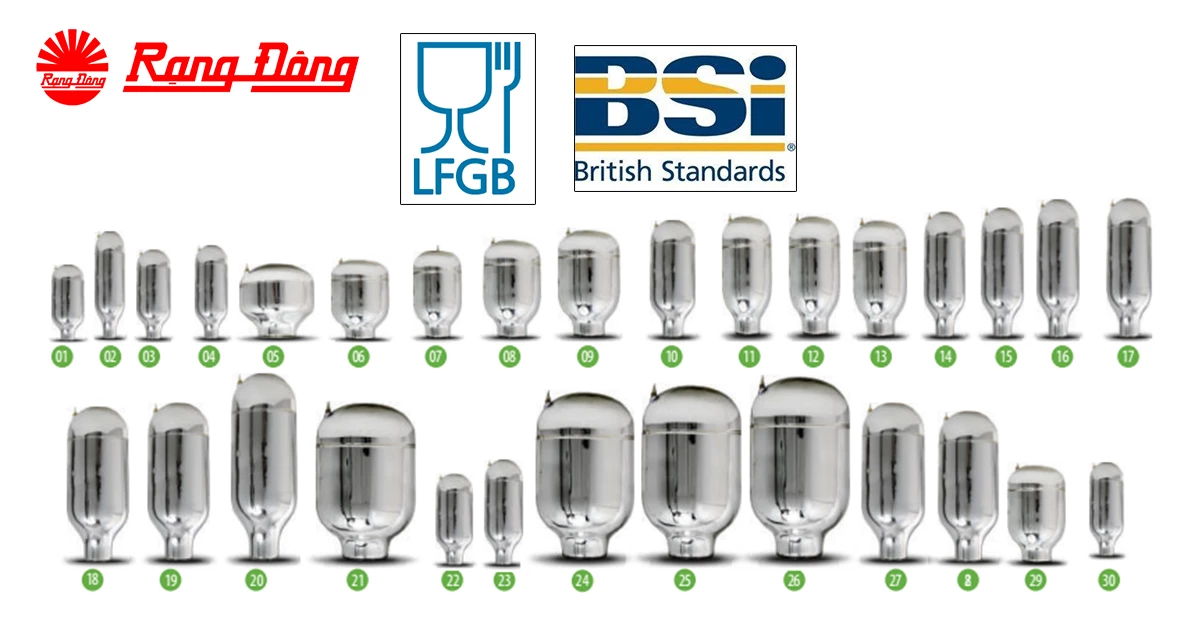
Rang Dong’s glass refill comes from strictly controlled production lines and complies with the international standards for food safety, BS EN 12546-1:2000 and LFGB. Customers around the world have been convinced and trusted its perfect glass liner. This article will introduce you the way we make a perfect glass liner for your favorite vacuum flasks.