Common Water Drinking Mistakes And Ways To Correct Them
Drinking enough water supports both physical and mental wellbeing, yet a few everyday habits can quietly undermine that goal. The following water drinking mistakes are common, easy to overlook, and often simple to correct once they are recognized.
Good hydration is not only about how much water gets consumed each day; how, when, and from what container also matters. A closer look at a few habits many families share shows where small changes can make hydration more effective.
Common mistakes

A handful of habits show up again and again and are worth reconsidering.
Using bottles made with BPA: some research has linked long-term BPA exposure to hormone disruption and other health concerns, making glass or stainless steel a safer material choice for everyday water bottles.
Relying on fruit and vegetables instead of water: produce adds valuable vitamins, fiber, and minerals, but it is not a substitute for drinking water directly, and unwashed skins can carry bacteria such as salmonella or E. coli, so thorough washing or peeling matters.
Treating alcohol or coffee as a replacement for water: both have a diuretic effect that increases fluid loss rather than replacing it, so extra water is still needed alongside these drinks.
Drinking only enough water to swallow a pill: a fuller glass helps medication move smoothly through the esophagus and can improve how well the body absorbs water-soluble vitamins.
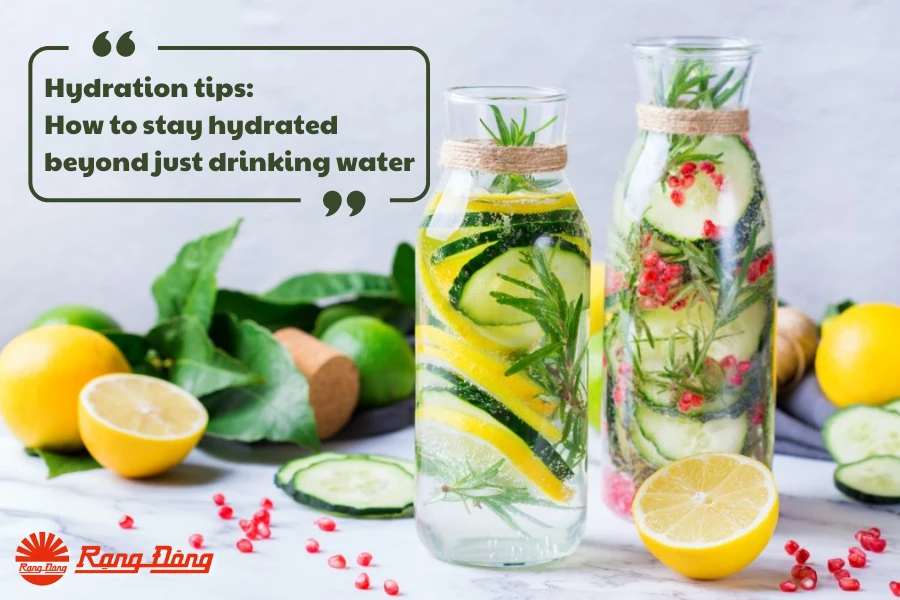
Reaching for sugary or artificially sweetened drinks over plain water: frequent consumption of drinks high in added sugar or sweeteners has been linked in research to a higher risk of type 2 diabetes, while water infused with lemon, mint, or cucumber offers flavor without the added sugar.
Waiting until feeling very thirsty or fatigued to drink: thirst and fatigue are late signals that the body is already short on fluids, not an early warning, so drinking on a regular schedule works better than waiting for these cues.
Drinking too little overall: since fluid makes up roughly 70 percent of the human body, consistently low water intake can affect skin, digestion, and metabolism over time.
Building better habits
General guidance suggests around 1.5 to two liters (51-68 fl oz) of water a day for women and up to about three liters (101 fl oz) for men, though actual needs vary by body size, activity level, and climate, so anyone with specific health concerns should check with a doctor or pharmacist for personalized advice.
The container used for daily water intake plays a role too. A durable, BPA-free stainless steel bottle avoids the material concerns tied to certain plastics, keeps water tasting clean, and holds up well to daily use, making it a practical partner for building a steady hydration habit rather than reaching for water only when thirst finally sets in.
Good hydration comes down to consistent, well-informed daily habits rather than any single fix. Avoiding these common water drinking mistakes, choosing a safe and durable bottle, and drinking on a regular schedule all support better health over time, making steady hydration a practical goal for any family.
Should you have any questions or request a quotation of Rang Dong products, please send us an email to: export@rangdong.com.vn
Websites: en.rangdong.com.vn and vacuumflask.rangdong.com.vn

While Cappuccino, one of the world’s most popular coffee drinks, is widely available in any coffee shop, it is hard to make a good and splendid one even though it is just an espresso with steamed milk or foamed milk. Let’s take a look at how Cappuccino is consumed in Italy, the world’s capital of coffee.
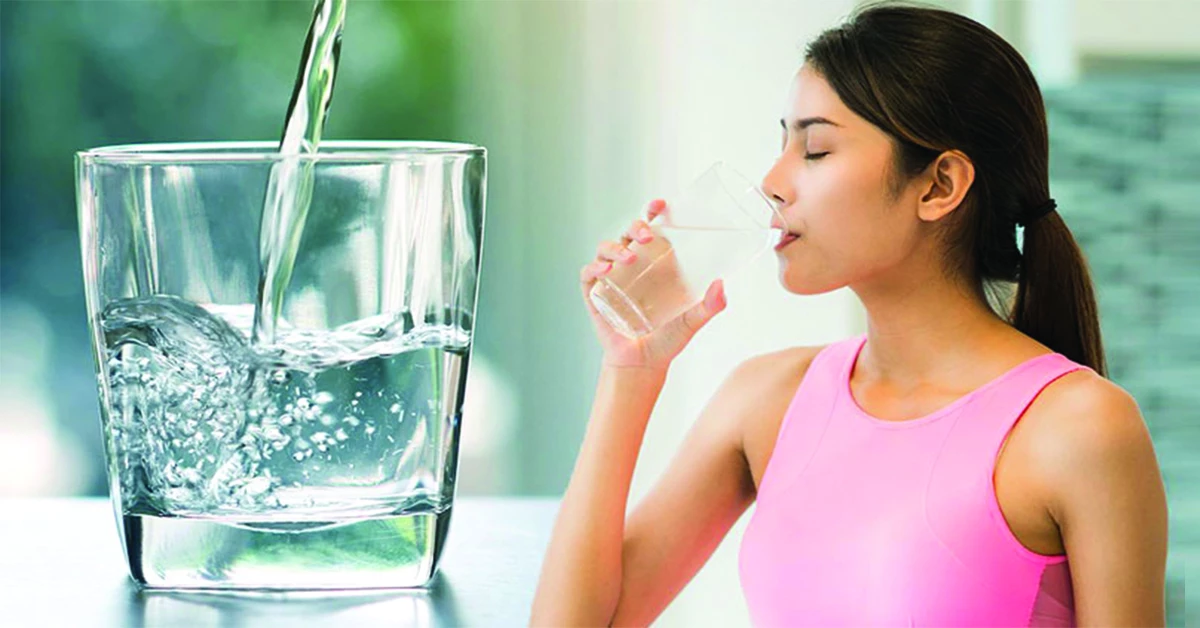
Water makes up 70 percent of our body, it occurs in all organs including bones. In order to ensure normal functions, experts often encourage us to increase water intake, which will leave positive impacts not only on our body, but also on the mood. Let's learn about the benefits of drinking water in the article below.