Home Waste Sorting Tips Matter In Boosting Recycling Rate
A single greasy pizza box or a tangled plastic bag can contaminate an entire bin of otherwise recyclable material at the sorting facility. Home waste sorting tips exist precisely to prevent that kind of mistake, turning good intentions into recycling that actually gets processed rather than sent to a landfill. Small habits, from rinsing containers to keeping soft plastics out of the curbside bin, make the difference between a load that gets recycled and one that gets rejected. This article looks at practical home waste sorting tips that cut contamination and make household recycling more effective.
Recycling only works when materials arrive at a sorting facility clean and correctly separated, since a single contaminated batch can force an entire load to be sent to a landfill.
Rules also vary meaningfully by municipality, so materials accepted in one city can be rejected in a neighboring one, making it worth checking a local waste authority's current list rather than assuming last year's rules still apply.
Household habits tend to hold up better when the whole family shares them. As one family member sorts consistently, others tend to follow.
 Clean, correctly sorted recyclables are far more likely to actually get processed.
Sorting and rinsing basics
Keeping separate containers for garbage, recycling, compost and reusable items as waste is generated, rather than sorting it all at once later, reduces the contamination that ruins an otherwise recyclable batch.
Rinsing jars, bottles and cans before they go in the recycling bin removes food residue that attracts pests and can get an entire bale of material rejected by buyers.
 Rinsing containers before recycling reduces contamination and pest problems.
Recyclables do not need to be spotless, just free of the food residue and liquid that cause the most contamination and odor problems.
The application of the next tip may vary and consumers should know their local rules. Western countries use ‘single-stream’ recycling systems so plastic bottles and aluminum cans should stay uncrushed so the machines can identify them by their shapes. Meanwhile Japan uses highly segregated ‘multi-stream’ recycling systems so people are advised to crush plastic bottles and aluminum cans and keep them in a separate bin.
Materials to put aside
Soft plastics, including bread bags, plastic film, bubble wrap and grocery bags, are one of the most commonly misunderstood parts of home waste sorting tips, since curbside sorting machinery is not built to handle them.
When soft plastics end up in a curbside bin, they tangle in sorting equipment, sometimes shutting down machinery and contaminating an otherwise clean load of recyclables.
 Soft plastics like bags and wrap belong in a separate drop-off bin, not curbside recycling.
Most soft plastics can still be recycled, but only through separate drop-off programs at participating retailers rather than the curbside bin.
Reducing waste at the source
The easiest home waste sorting tips are the ones that reduce how much needs sorting in the first place.
Choosing loose produce over packaged options, carrying reusable bags, and switching to reusable drinkware instead of disposable cups and bottles all cut down on daily waste before it ever reaches a bin.
A durable vacuum flask, such as the ones in the flask line produced by Vietnam’s Rang Dong, replaces a steady stream of single-use cups and bottles with one container that lasts for years, removing that waste from the sorting equation entirely.
Rang Dong holds ISO 14001:2015 certification for environmental management alongside its quality certification, reflecting the same source-reduction principle applied at a manufacturing scale.
 A reusable vacuum flask replaces a steady stream of disposable cups and bottles.
Consistent home waste sorting tips, practiced by the whole household rather than one person, turn good intentions into recycling that a sorting facility can actually process.
Should you have any questions or request a quotation of Rang Dong products, please send us an email to: export@rangdong.com.vn
Websites: en.rangdong.com.vn and vacuumflask.rangdong.com.vn
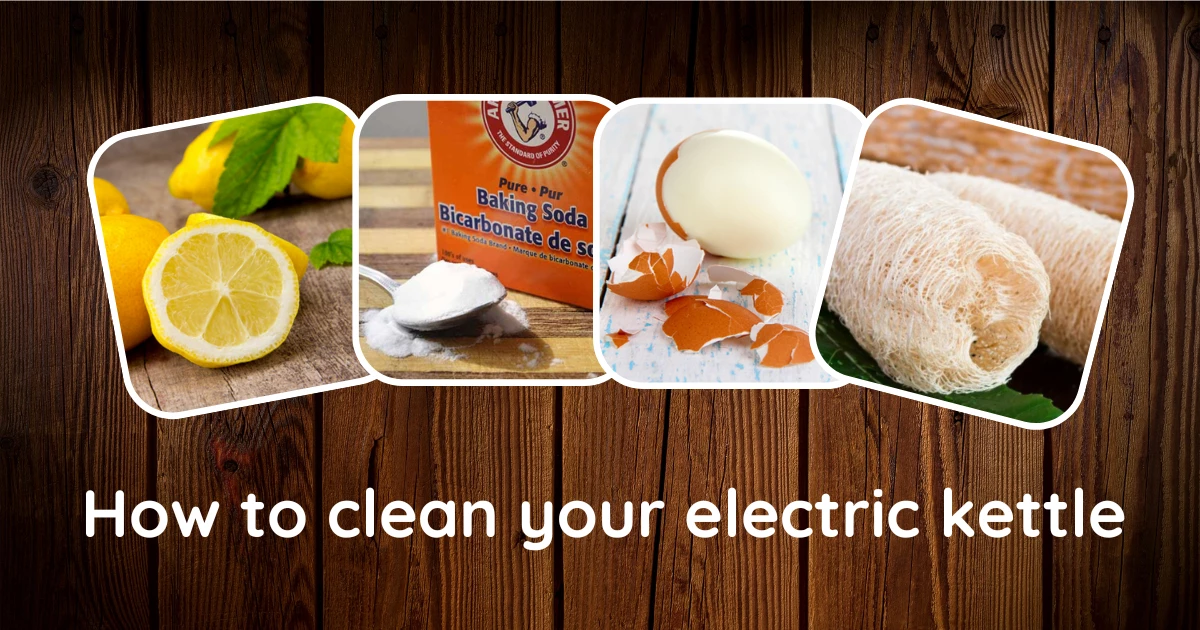
After using the electric kettle for some time, lime scale often develops inside. If not cleaned, it could affect health, and reduce the performance and life of the appliance. Please check out these instructions on how to quickly and effectively clean electric kettle.
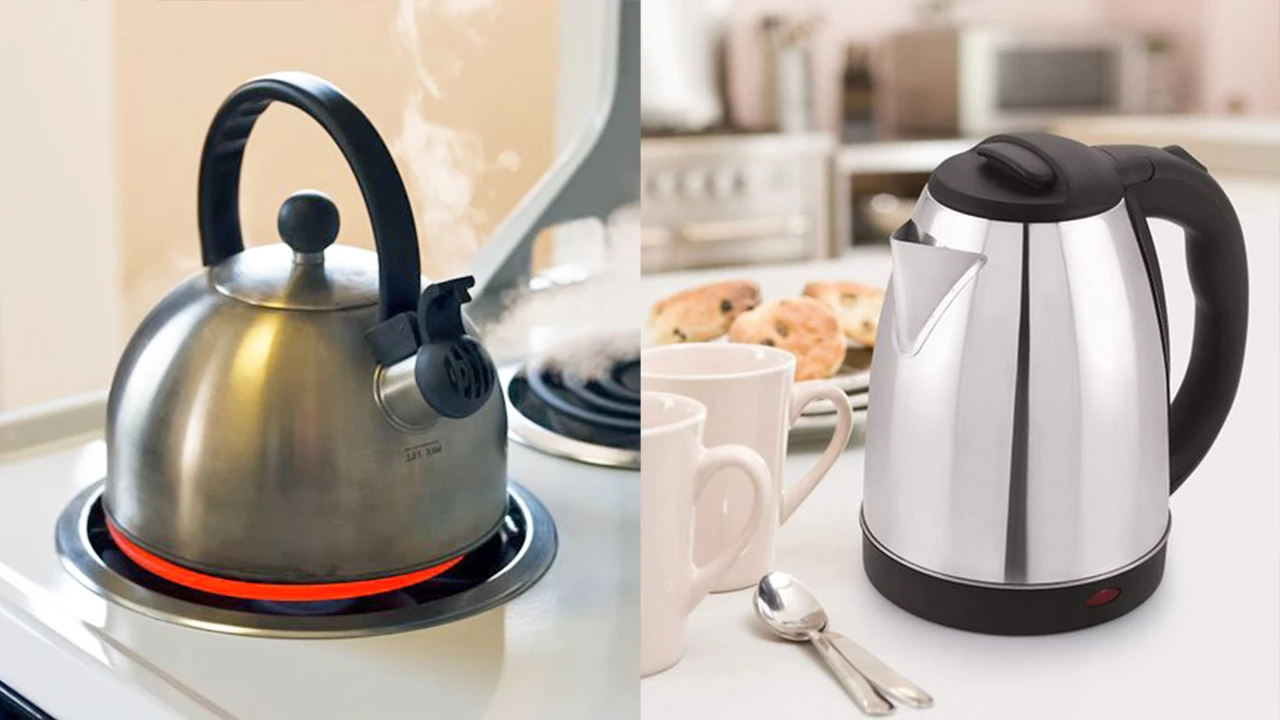
With the growing popularity of specialty coffee and tea, selecting a stovetop kettle or an electric kettle for tea is more difficult than ever. We've compiled some ideas to assist users to decide on either of them, based on what they plan to use it for and on individual requirements.

A handheld water bottle is an essential item for us when we engage in any outdoor activity, especially in summer. There are many drinkwares that come in various volumes and styles. While a particular bottle is up to the user’s taste, we at Rang Dong, Vietnam’s leading producer of flasks, would like to make suggestions on how to choose a suitable drinkware.

A diversity of water flasks has been made available in the market, helping effectively store liquid and retain the flavor. Hot water flask does not only leave impacts on our health, for which we need to take caution when choosing, but also on the environment as we fight against the use of plastic bottles.