Lunch Box Choices Move Toward Insulated, Reusable Designs
Packing a meal from home used to mean a simple plastic container that barely kept food warm by lunchtime. Today's lunch box market looks different, built around stainless steel insulation, tighter seals and multiple compartments rather than a single plastic tub. Rising interest in home-cooked meals, food safety and reducing single-use packaging has pushed reusable, insulated designs into the mainstream for students and office workers alike. This article looks at what is driving that shift and what buyers should weigh when choosing one.
Global demand for insulated lunch boxes has grown steadily in recent years. A Global Growth Insights report projected the global lunch box market to more than double to USD 3.85 billion by 2035 from USD 1.8 billion forecast for this year, or an average annual growth rate of 8.85 percent.
Much of the growth traces back to consumers moving away from single-use plastic containers and takeout packaging toward reusable options that keep a meal at a safe, appetizing temperature for hours rather than minutes.
The same research finds stainless steel models now account for roughly 60 percent of the category by material, ahead of plastic alternatives, largely because steel resists dents, rust, and lingering food odors far better over years of daily use.
Students account for nearly 45 percent of demand, and office workers for about 35 percent, reflecting how central packed meals have become to both school routines and workplace lunch breaks.
Modern lunch box
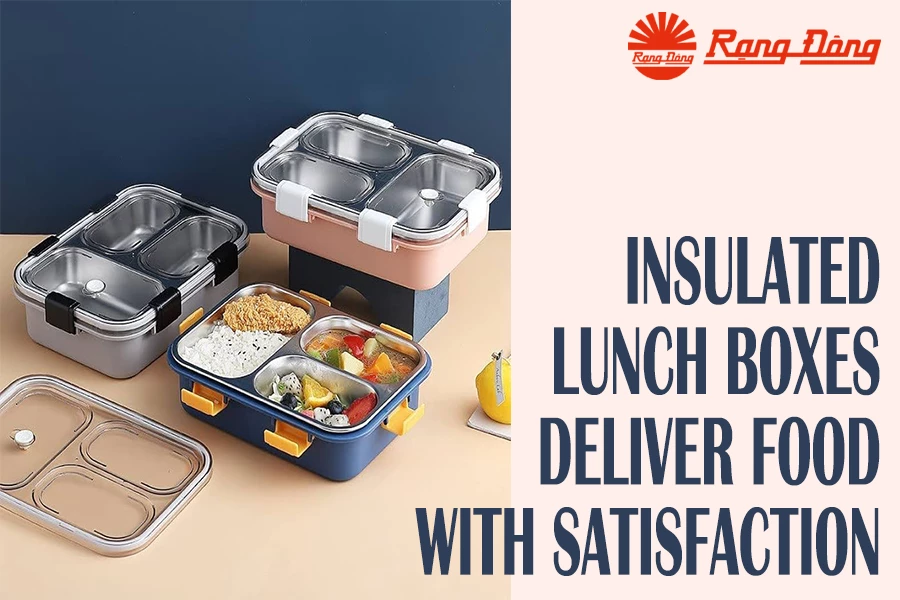
A modern lunch box typically goes well beyond a single plastic tub with a lid. Double-wall vacuum insulation, almost always paired with a food-grade stainless steel liner, keeps hot meals hot and cold items cold for several hours, so a lunch packed in the morning will stay appetizing well past midday.
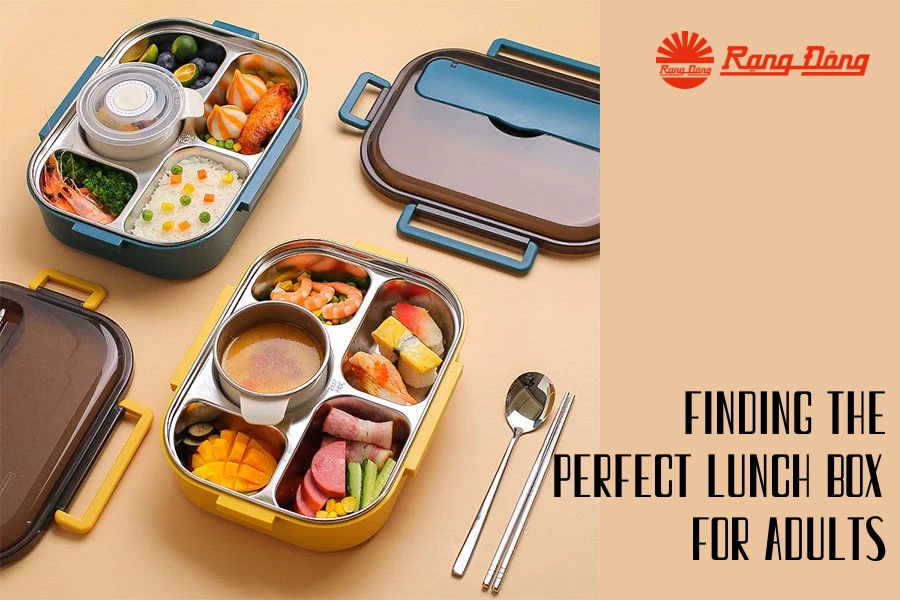
 Lunch can be taken along using a stainless steel container with stacked compartments.
Multiple stacked compartments separate rice, main dishes and side items so flavors and textures do not mix together during transport, while a silicone gasket around the lid keeps sauces and liquids from leaking into a bag.
Many designs add a small carry handle or a fitted carrying bag, along with a pressure-release valve that makes an airtight lid easier to open after the contents have cooled. Together, these features turn what was once a basic container into a small piece of daily kitchen equipment built specifically around carrying a full meal.
Lunch box selection
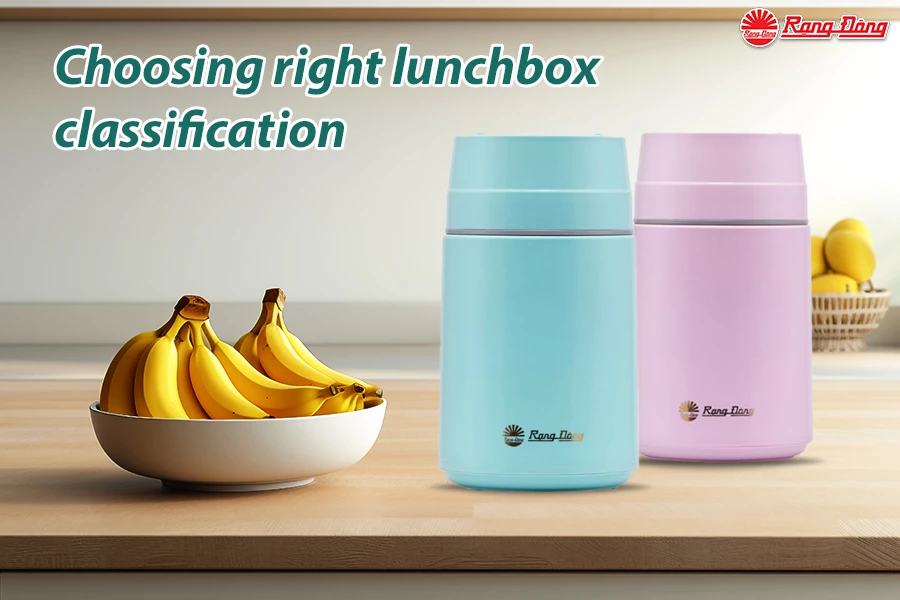
Selecting a lunch box comes down to matching the container to how it will actually be used day to day. Anyone carrying a hot meal for several hours, such as a full workday or a long school day, benefits most from stainless steel construction and genuine vacuum insulation rather than a single-wall plastic tub, since the difference in heat retention over several hours is significant.

A meal packed in a lunch box helps restore energy fully for a workday.
Compartment count matters for anyone who prefers to keep rice, protein and vegetables separate, while a simpler single-container design suits someone packing a sandwich or a salad.
A secure, leak-resistant lid is worth prioritizing over capacity or design alone.
Buyers replacing single-use containers for environmental or cost reasons will also find that a well-built, insulated option pays for itself over months of daily use rather than needing frequent replacement like disposable alternatives.
 A pressure-release valve makes an airtight lid easier to open.
As more people prepare meals at home and look to cut down on single-use packaging, the lunch box has moved from a simple container to a piece of everyday equipment built around insulation, durability and convenience.
Should you have any questions or request a quotation of Rang Dong products, please send us an email to: export@rangdong.com.vn
Websites: en.rangdong.com.vn and vacuumflask.rangdong.com.vn
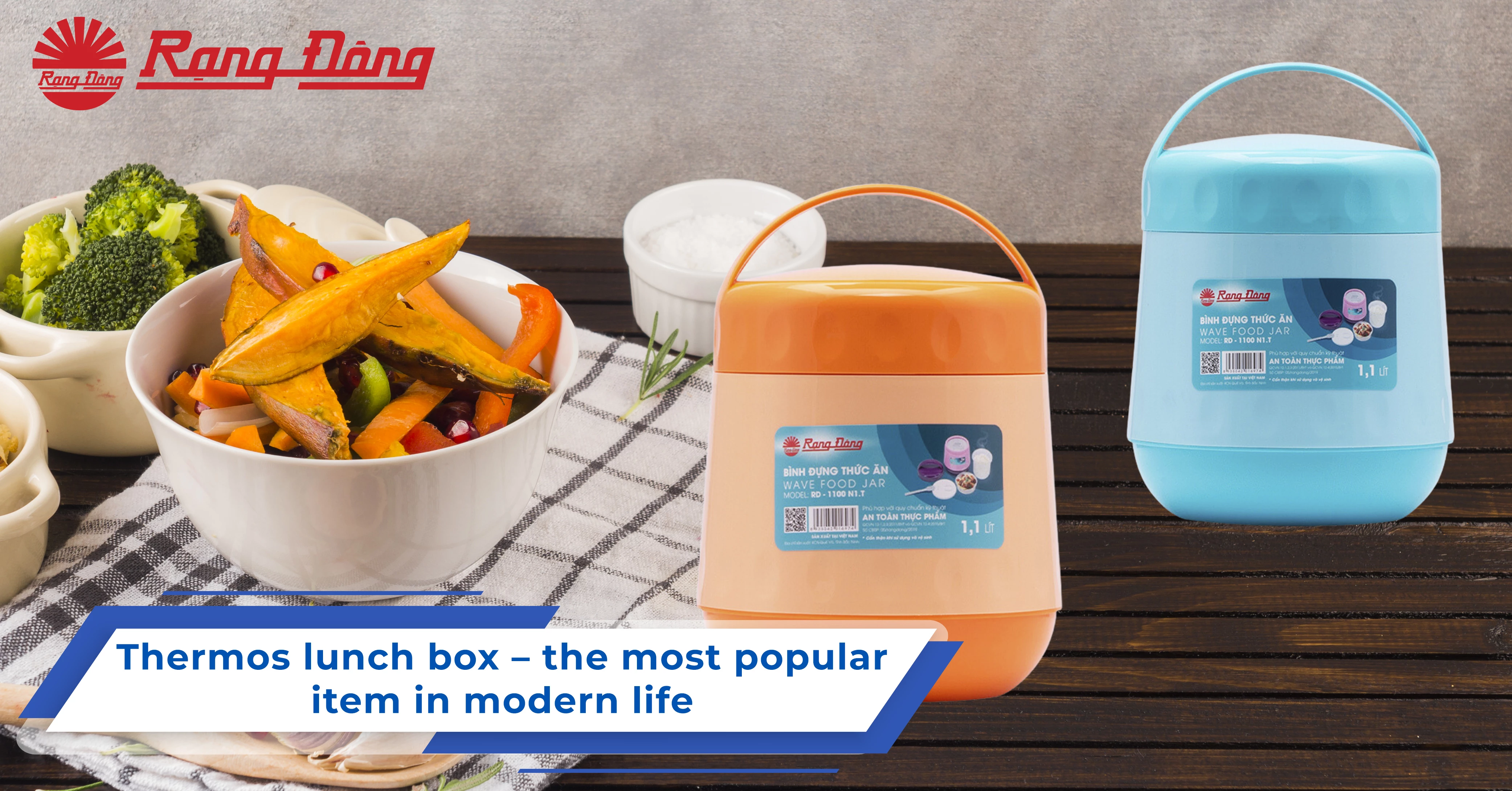
Work and life pressure often leads us to choose the most convenient items for a better life. The thermos lunch box must be the ideal choice for students and office staff as it helps store hot food for half a day, giving us a chance to enjoy a good lunch prepared in the morning. Let's take a closer look at this item in the following article.
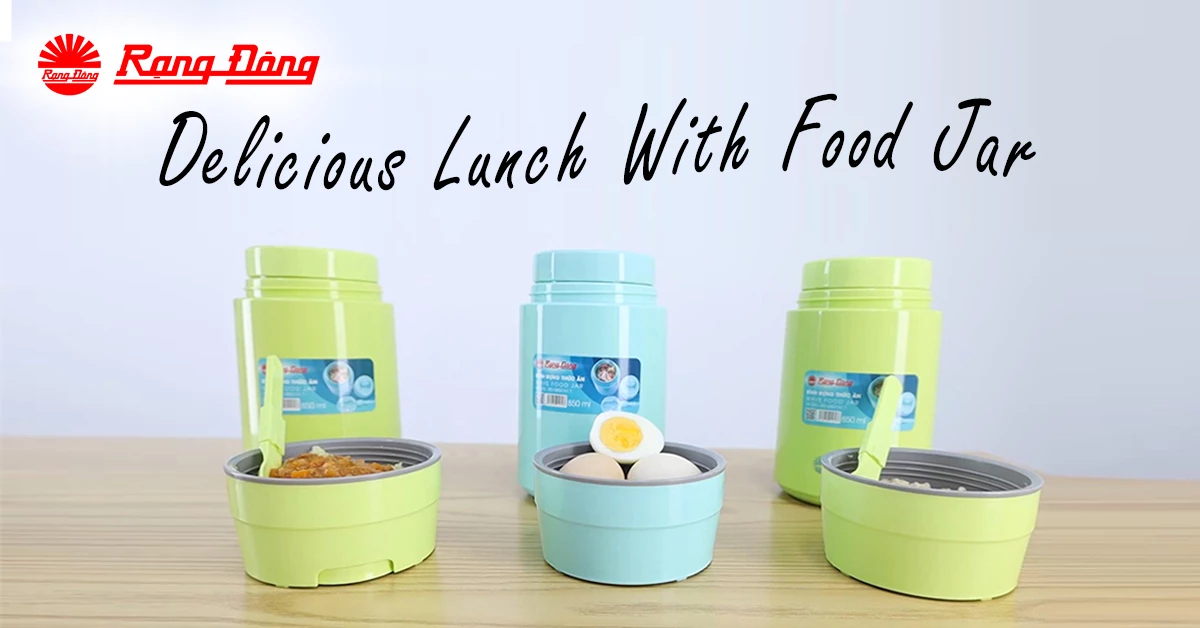
Even in the warm weather, it's great to have a hot lunch at work. However, many workplaces do not have microwaves or are overloaded that makes it impossible to use the hot lunch option. So a thermos food jar is extremely convenient. The following easy recipes can be useful, with help from a Rang Dong thermos food jar. Let’s start!
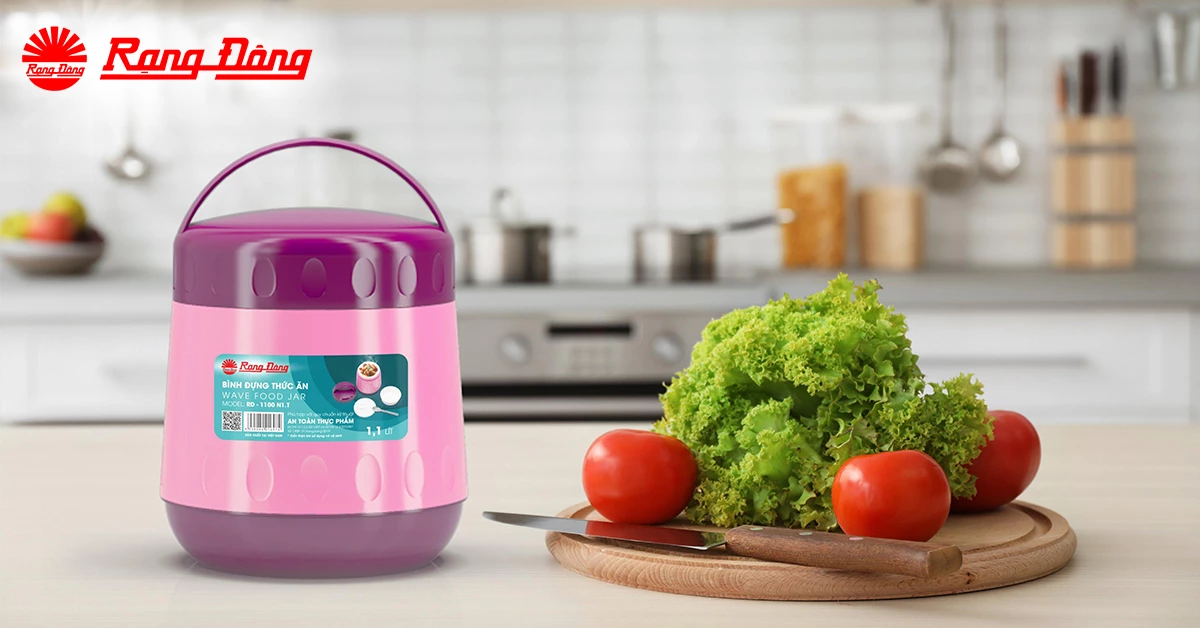
Lunch is very important as a good lunch provides energy for afternoon activities. In order to assist people who can’t find time to cook or are not able to heat the food because a microwave is absent at work, Rang Dong has created this vacuum lunch box to serve the best lunch. Let’s find out more about Rang Dong brand new food jar in the following article.