Market Regulators Tighten Greenwashing Rule, Demand Real Proof
Slapping the word 'eco-friendly' on a product used to be enough to signal environmental credibility to shoppers. Greenwashing has grown common enough that regulators are now writing specific rules to stop it. A European Commission review of 150 environmental claims found that more than half were vague, misleading or entirely unfounded, a gap regulators in multiple regions are moving to close. This article looks at what counts as greenwashing, the new rules taking aim at it, and how companies can back their environmental claims with real evidence.
The term ‘greenwashing’ dates back to the late 1980s, when loosely regulated advertising let companies claim environmental responsibility while doing little to change how they actually operated.
Consumer skepticism toward vague green claims has grown for years, but binding legal consequences are a more recent development, arriving in earnest through rules taking effect in 2025 and 2026.
At its core, greenwashing works by redirecting attention toward something minor and positive while leaving a company's larger environmental footprint unexamined.
 Regulators are increasingly requiring proof behind claims like 'eco-friendly' and 'carbon neutral.'
New rules in effect
The European Union's Directive on Empowering Consumers for the Green Transition, in force since March 2024, requires EU member states to transpose it into national law by March 2026, with the rules applying from September 2026.
The directive bans vague, unsubstantiated claims such as unqualified 'eco-friendly' or 'carbon neutral' labels, requiring companies to back environmental claims with clear, verifiable evidence.
 The EU rules on unsubstantiated environmental claims in effect since September 2026 requires stricter action on greenwashing claims.
Canada moved earlier, with 2024 amendments requiring that claims about a product's environmental benefits rest on adequate testing, and that broader business-level claims, such as climate leadership, be backed by substantiation following an internationally recognized methodology.
In the United States, the FTC's Green Guides, last fully revised in 2012, remain the primary federal guidance on environmental marketing claims as of 2026, even as other regions move toward stricter, binding rules.
Common greenwashing tactics
Vague or undefined terms, such as 'green,' 'eco-friendly' or 'natural' used without a specific, verifiable meaning, remain one of the most common forms of greenwashing.
 Vague terms such as 'natural' or 'eco-friendly' used without a verifiable meaning are a common form of greenwashing.
Claims that highlight a single positive attribute while ignoring a product's larger environmental impact, sometimes called a hidden trade-off, let a company sound sustainable without addressing its overall footprint.
Biodegradability and recyclability claims draw particular regulatory attention, since a claim only holds up if the material breaks down or gets recycled under real-world conditions.
As these terms are exactly the words shoppers search for, the same language that makes a claim appealing to buyers is often what draws regulatory scrutiny once it lacks evidence behind it.
Backing with real evidence
Avoiding greenwashing starts with grounding every environmental claim in something a third party can verify, rather than language a marketing team wrote on its own.
Recognized certifications, such as ISO 14001 for environmental management, give outside verification that a company's environmental processes meet a defined, audited standard.
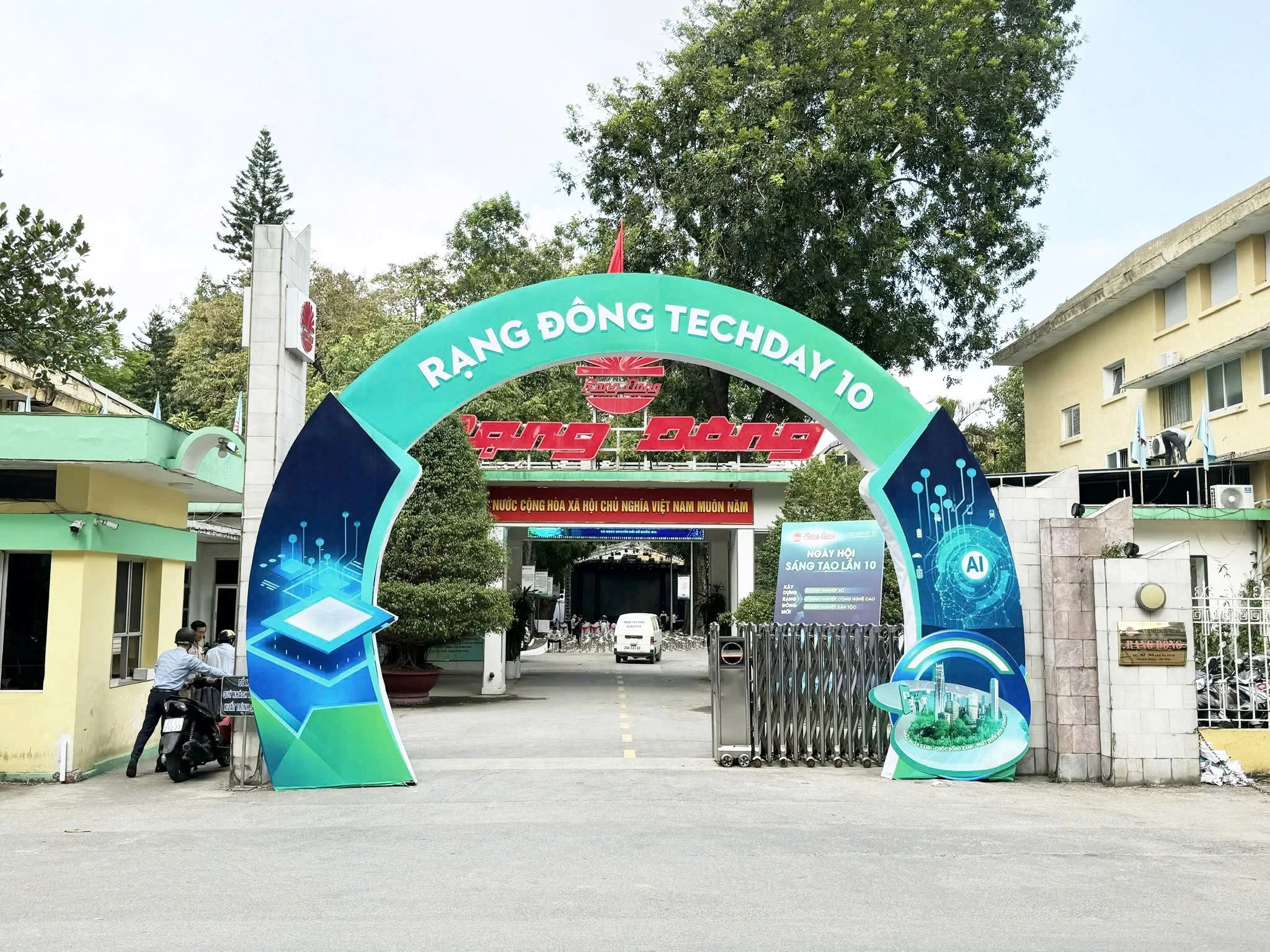
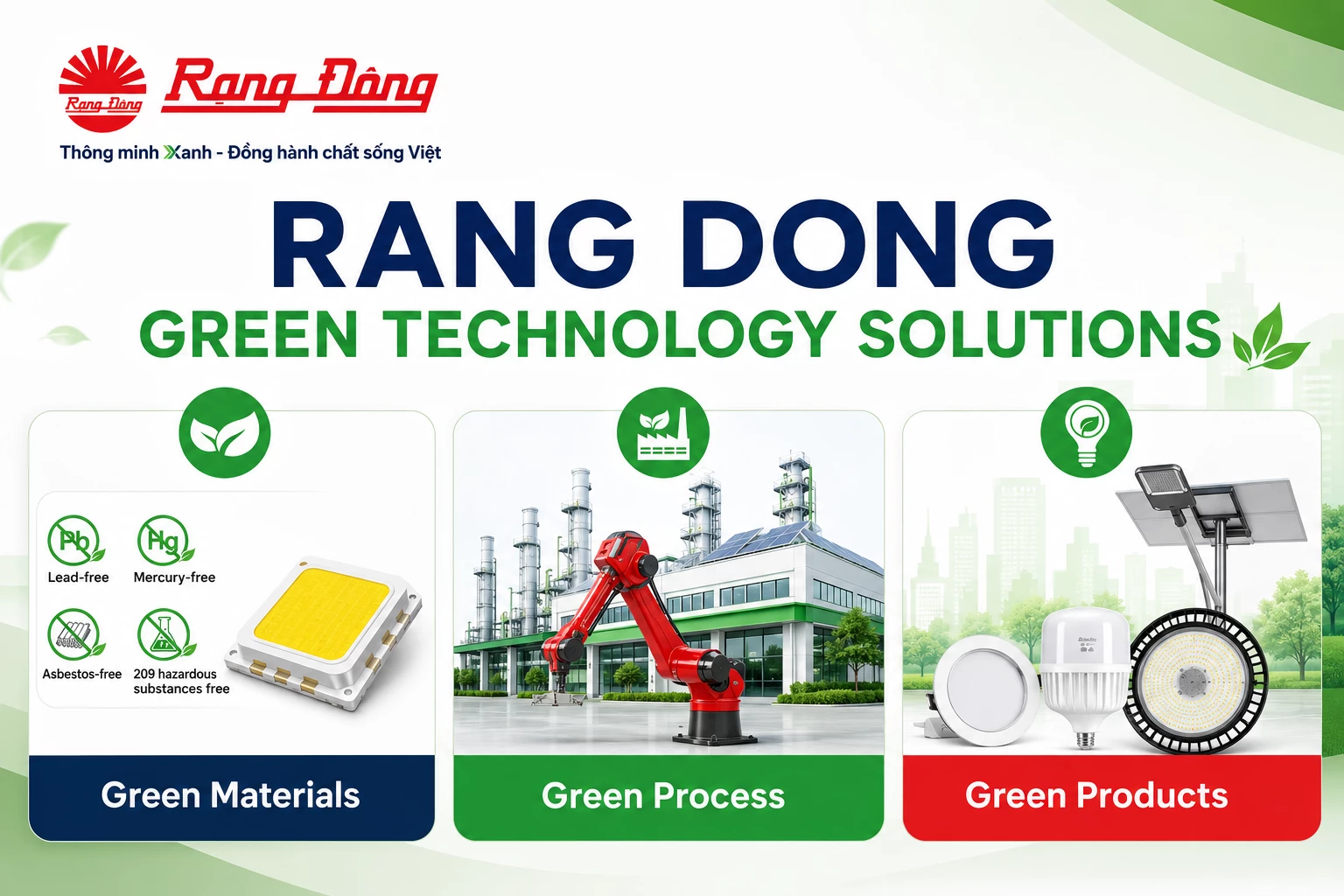
Rang Dong, Vietnam’s leading manufacturer of high-quality home appliances and smart lighting products, holds ISO 14001:2015 certification for environmental management alongside its product-level energy efficiency data, giving buyers a verifiable basis for evaluating its sustainability claims.
Reviewing every sustainability claim across packaging, technical data sheets, websites and advertising for consistency, and updating language as new evidence becomes available, keeps a company's messaging aligned with what it can actually prove.
As regulators in the EU, Canada and beyond tighten marketing rules, greenwashing is becoming a genuine legal and reputational risk, making verifiable evidence the safest foundation for any environmental claim.
Should you have any questions or request a quotation of Rang Dong products, please send us an email to: export@rangdong.com.vn
Websites: en.rangdong.com.vn and vacuumflask.rangdong.com.vn