Pros and Cons of Food Container Materials
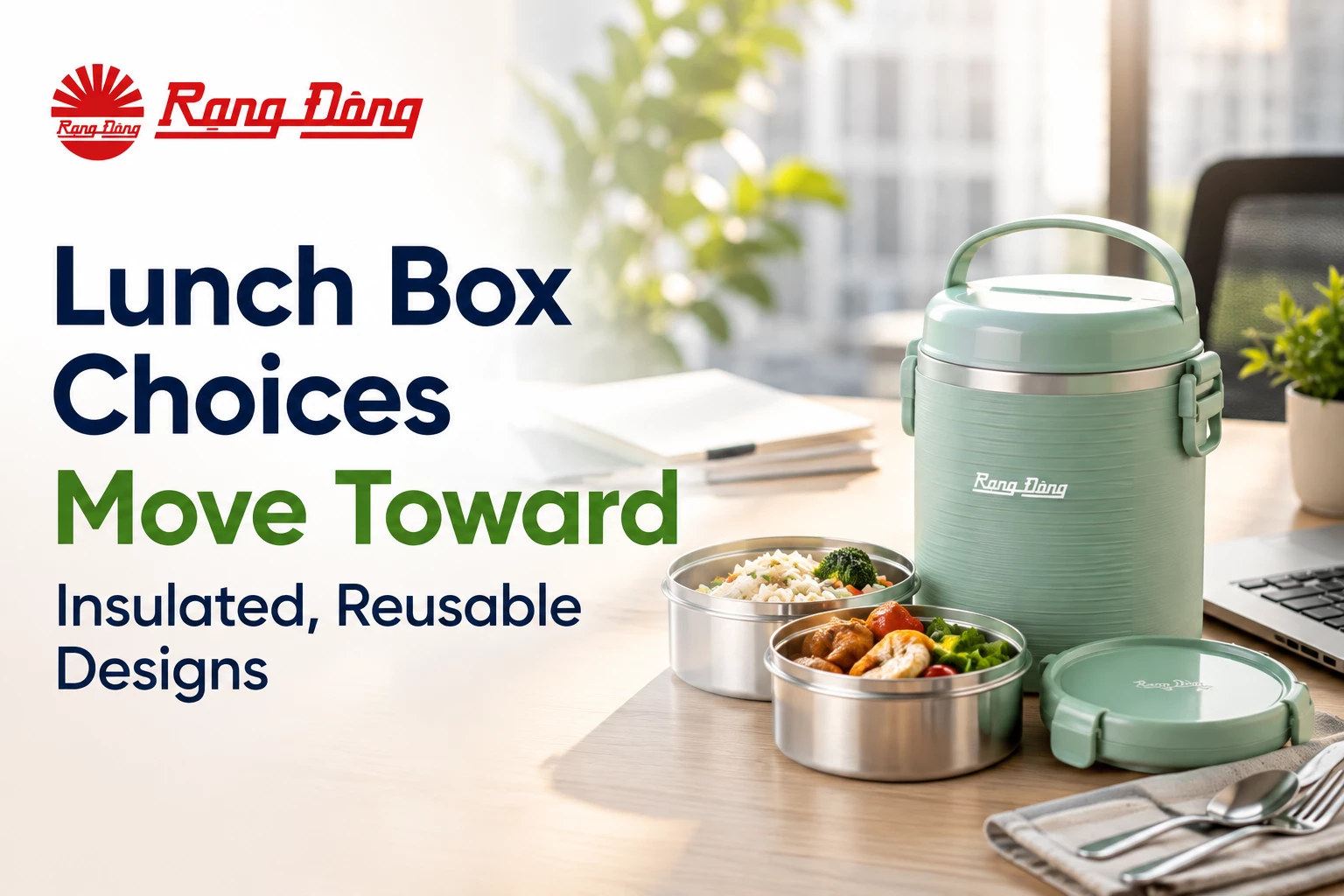
Choosing among different food container materials shapes how food stays fresh, how safe it is to reheat, and how long a container lasts. Plastic, glass and stainless steel each bring their own balance of convenience, durability and hygiene. This guide breaks down the strengths and trade-offs of each option to help users, from families to busy professionals pick the container that fits their daily routine.
As lunch prepared at home and taken along to work or school is now popular, food storage has become part of everyday life rather than an occasional task. With so many container types on the market, the material matters as much as the shape or size: it determines the food taste, safety for reheating and durability of the container.
Plastic
 Plastic containers remain the most common choice, sold everywhere from local markets to supermarkets at an accessible price.
Their light weight makes them easy to carry and resistant to cracking or shattering that can happen with heavier materials, and they come in a wide range of shapes and sizes, from square and round to rectangular, enhancing user’s convenience.
Reputable brands now use safer materials such as polypropylene (PP, resin code 5) or resin code 7, produced without bisphenol A (BPA), a chemical additive linked to health concerns.
The trade-off is durability of use rather than durability of material: plastic can absorb odors and food coloring over time, especially with oily or strongly flavored dishes, if it is not washed thoroughly after each use.
Plastic containers do not retain heat and are generally not suited for microwave reheating. Low-cost, unbranded containers of uncertain origin are a particular concern, since they may use lower-grade plastic that still contains BPA.
Glass

Unlike plastic, glass containers tolerate high heat well, they can go from the freezer compartment to the microwave without damage, making them a practical option for users who reheat meals directly in the container.
The material also gives glass containers a clean, elegant look that suits a modern kitchen.
The main downsides are cost and weight: glass is a more expensive raw material, so glass containers are generally priced above the plastic ones, and they are heavier and can break if dropped or handled carelessly.
Stainless steel
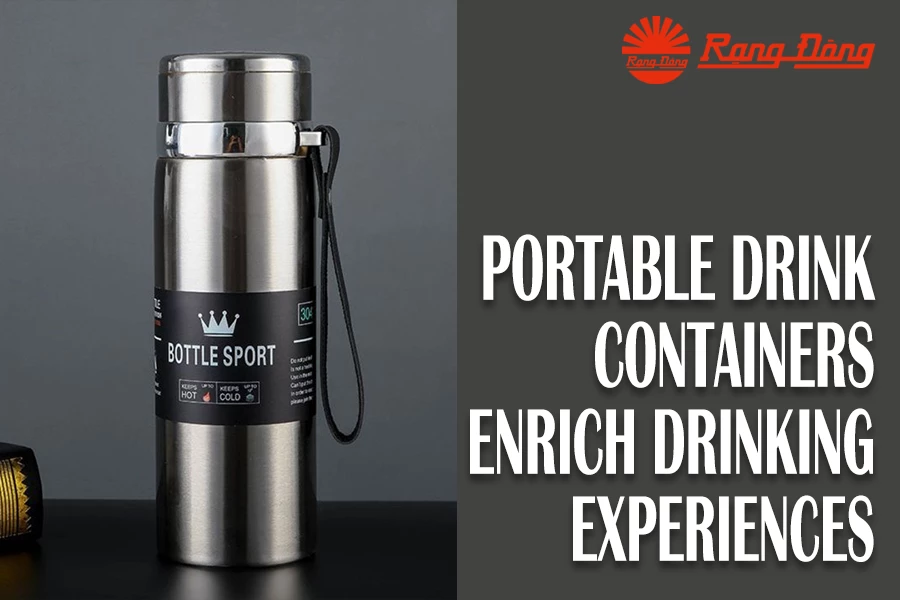
 Containers made of stainless steel are lightweight relative to their durability, making them comfortable to hold for both older adults and children. Stainless steel also blocks light effectively, which makes it a good match for foods that need to be kept away from direct sunlight to stay fresh longer.
The smooth, non-porous surface cleans easily after use without holding onto odors or food coloring the way plastic can.
However, the material can be prone to oxidation and corrosion over time, and it may react with certain foods, so very hot or acidic dishes are best avoided in stainless steel containers. Regularly checking the surface for scratches, dents or signs of wear helps keep the container safe for continued use.
There is no single best material for every situation: plastic offers convenience and value for everyday carrying, glass suits users who reheat food often and want easy cleaning, and stainless steel appeals to those who prioritize durability and hygiene.
Weighing these food container materials against daily habits, from reheating to cleaning, is a practical starting point for choosing the food container that lasts.
Should you have any questions or request a quotation of Rang Dong products, please send us an email to: export@rangdong.com.vn
Websites: en.rangdong.com.vn and vacuumflask.rangdong.com.vn
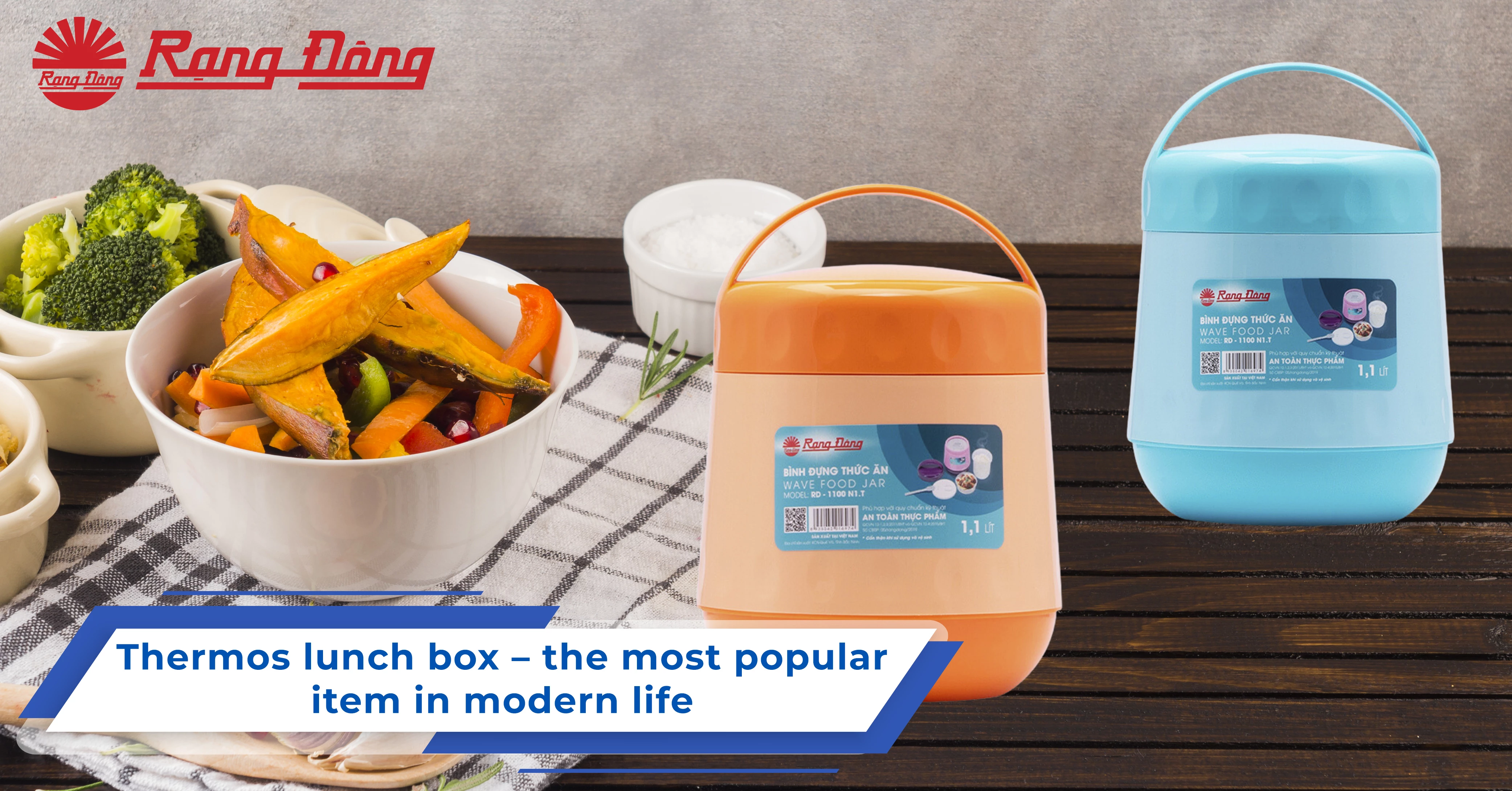
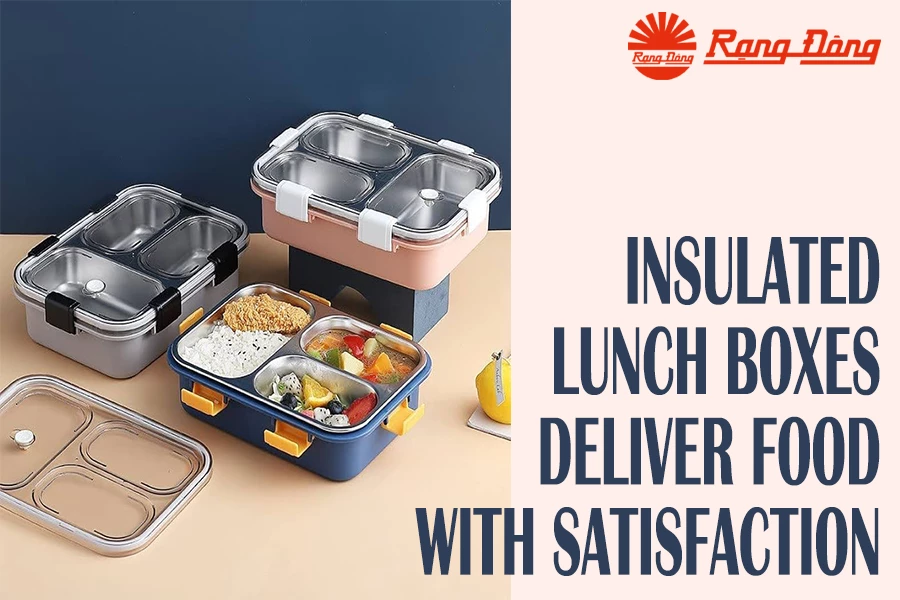
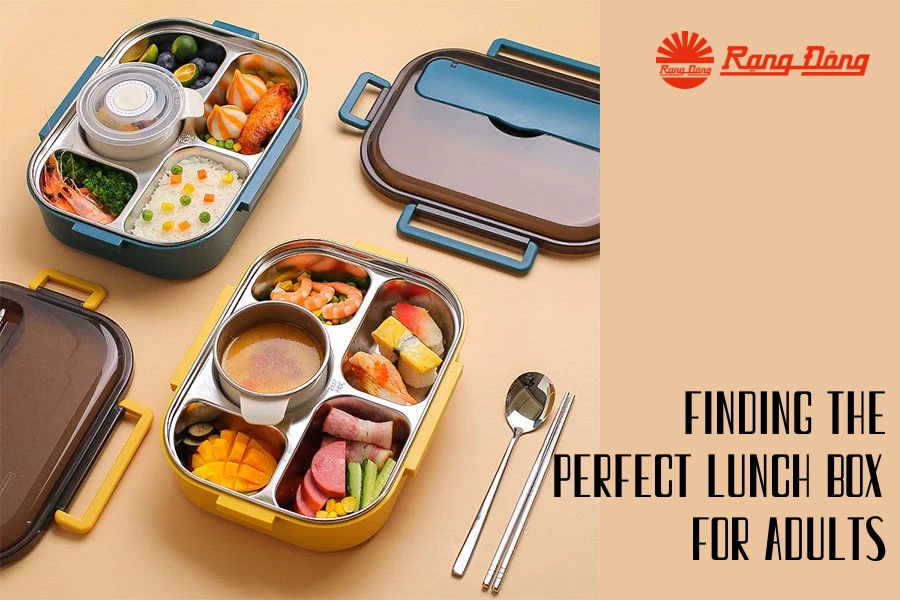
Work and life pressure often leads us to choose the most convenient items for a better life. The thermos lunch box must be the ideal choice for students and office staff as it helps store hot food for half a day, giving us a chance to enjoy a good lunch prepared in the morning. Let's take a closer look at this item in the following article.
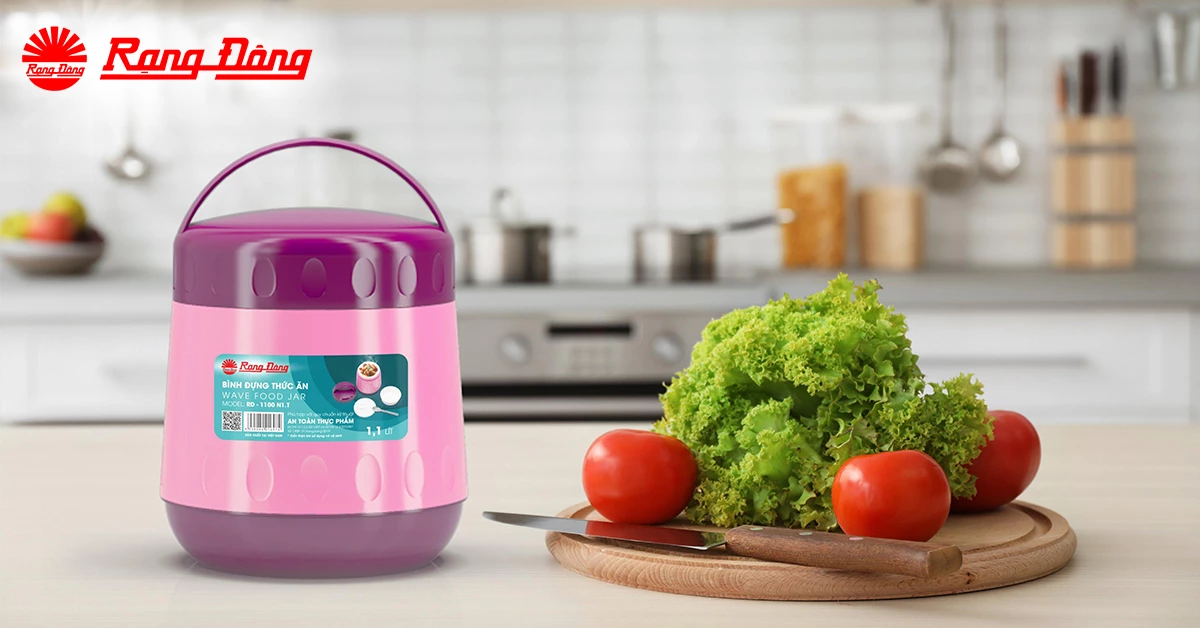
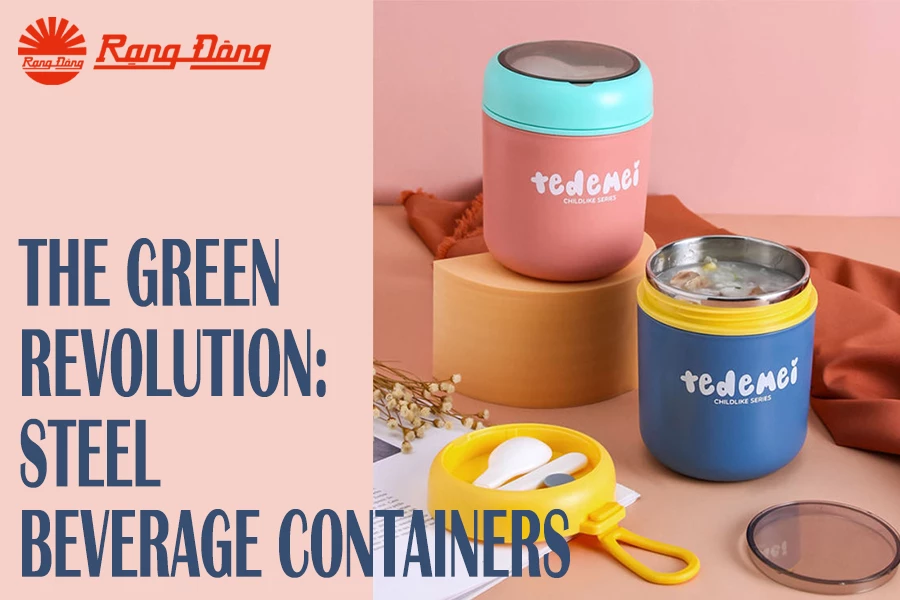
Lunch is very important as a good lunch provides energy for afternoon activities. In order to assist people who can’t find time to cook or are not able to heat the food because a microwave is absent at work, Rang Dong has created this vacuum lunch box to serve the best lunch. Let’s find out more about Rang Dong brand new food jar in the following article.
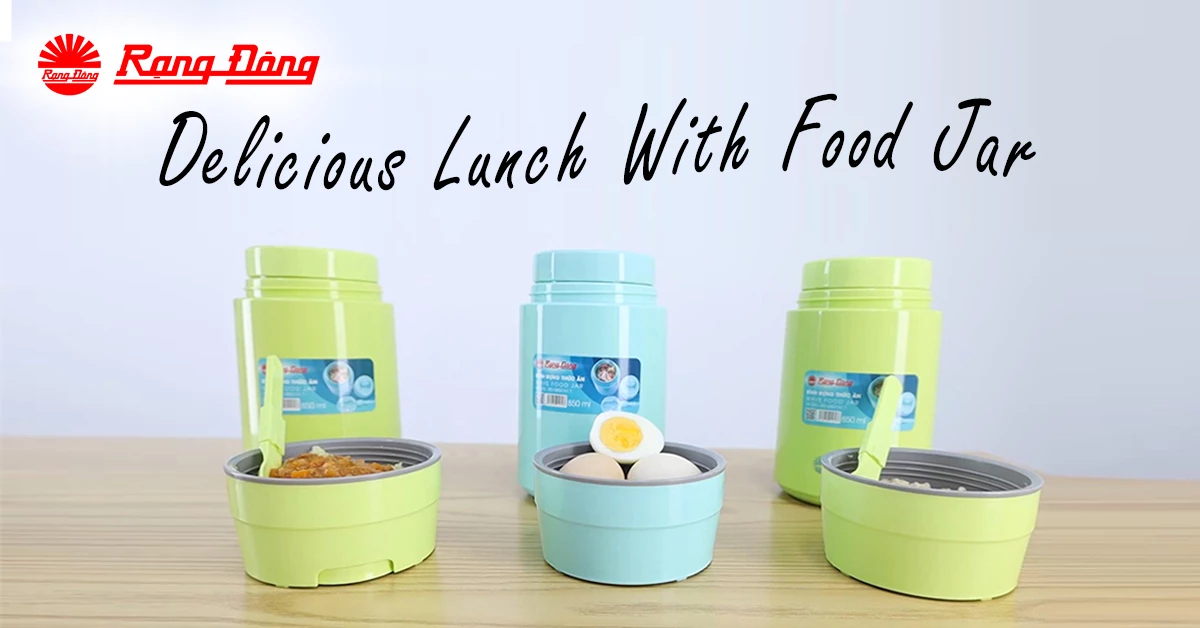
For office staff, workers and students who need perfect food containers for lunch, Rang Dong’s latest model of food jar surely satisfies any demand as it keeps unchanged the food flavor from the early morning to noon time. Safe material, convenient use, compact design and elegant colors are the dominant characteristic of this food container.