Sustainability, Innovation Drive Tea Packaging Market Changes
The global tea market value is forecast to rise to USD 39.4 billion by 2034 from USD 26.7 billion last year, a compound annual growth rate of 4.4 percent for the 2026-2034 period, IMARC Group said. The favorable outlook was based on a growing demand of modern consumers for ready-to-drink tea products, innovations in tea brewing technology, the introduction of new flavors and the rising availability of specialty tea, the global management consulting firm said in a report released on February 1, 2026. The tea packaging market is expected to post a similar growth rate in coming years. Its value would increase to USD 11.5 billion by 2035 from USD 7.3 billion last year, reflecting a 4.6 percent CAGR in the 2026-2034 period, Future Market Insights reported in June 2025. The 2025 value was 4.3 percent above that in the previous year, “reflecting consistent demand driven by increased consumption of premium and specialty teas,” the report said.
Sustainability dominates
Environmental consciousness fundamentally reshapes tea packaging in 2026, with sustainability transitioning from optional feature to mandatory requirement.
Over one-third of global tea launches and more than four-fifths of UK tea products now feature environmentally friendly packaging, said a Mintel research published in March 2025. The shift responds to consumer willingness to pay premium prices for sustainable options, such as plastic-free tea packaging.
Hence, tea packaging manufacturers are replacing traditional foil and plastic materials with biodegradable alternatives including PLA (polylactic acid) derived from corn starch, cellulose-based films, plant-based laminates, and recycled paperboards.
The innovations retains freshness and aroma while eliminating harmful environmental residues such as microplastics. A McGill University research cited by Fortune Business Insights showed that single plastic tea bags release approximately 11.6 billion microplastic and 3.1 billion nanoplastic particles into brewing water.
 Biodegradable tea packaging made from plant-based materials eliminates plastic waste while maintaining product freshness and quality.
The biodegradable tea bag revolution exemplifies this transformation. Companies eliminate plastic components from tea bags, transitioning to compostable materials that break down in industrial composting facilities without releasing microplastics. McGill University research cited by Fortune Business Insights revealed that single plastic tea bags release approximately 11.6 billion microplastic and 3.1 billion nanoplastic particles into brewing water, highlighting health concerns driving consumer demand for plastic-free alternatives.
Premium tea packaging
The premiumization trend sweeping the tea industry significantly influences tea packaging aesthetics and functionality.
As consumers increasingly seek high-quality, single-origin, and specialty teas, tea packaging must communicate sophistication, authenticity and value.
Halmari Tea, a renowned Indian tea producer, said in May 2025 that specialty tea segments were experiencing substantial growth, requiring packaging that differentiates premium products from mass-market offerings.

Premium tea packaging combines minimalist design with sustainable materials, reflecting brand quality and environmental commitment.
Minimalist design principles dominate 2026 tea packaging aesthetics. Clean lines, subtle typography, and refined color palettes create elegant presentations emphasizing product quality over excessive decoration.
This design philosophy reduces material usage while enhancing shelf appeal, aligning sustainability with visual sophistication. Anacotte Packaging, an Australian manufacturer of packaging products, noted that minimalist approaches highlight purity and authenticity, resonating with consumers appreciating simplicity and transparency.
Luxury tea packaging incorporates premium materials including reusable glass jars, metal tins with embossed designs and textured paperboards with metallic accents. These elevated presentations transform tea products into gift-worthy items commanding higher price points.
User experience enhancing role
Convenience and functionality increasingly influence on tea packaging design decisions. Single-serve formats, particularly pyramid tea bags and individual sachets, address consumer demands for portion control, freshness preservation, and on-the-go convenience.
The tea bag segment accounts for an estimated 42.3 percent of the tea packaging market, Future Market Insights report said.
Resealable pouches represent significant tea packaging innovation, combining freshness preservation with multi-use practicality. These formats typically feature stand-up designs with zip-lock closures, allowing consumers to maintain product quality after initial opening while optimizing shelf storage.
Flexible packaging provides cost savings in shipping, improved branding opportunities, and enhanced retail capabilities compared to traditional rigid containers.
 Resealable tea packaging with stand-up pouches maintains freshness while offering convenient storage and premium shelf appeal.
Smart packaging technologies are emerging in premium tea segments. QR codes on tea packaging connect consumers to digital content including brewing instructions, origin stories, sustainability certifications, and brand narratives.
The integration of digital technology and interactive touch points will define next-generation tea packaging through 2035, enabling brands to build deeper consumer relationships and provide added value beyond the physical product, Future Market Insights said.
Consumer-driven transformation
E-commerce growth has fundamentally altered tea packaging requirements. Online channels account for over 25 percent of U.S. tea sales, Global Growth Insights estimated, necessitating packaging optimized for shipping durability, compact dimensions and visual appeal in digital product photography.
Brands invest in packaging that protects products during transit while creating memorable unboxing experiences that encourage social media sharing and repeat purchases.

Modern tea packaging features transparent labeling and QR codes that connect consumers with origin stories, certifications and sustainability information.
Besides, transparency and traceability increasingly influence tea packaging design. Consumers demand clear information about sourcing, production methods, certifications and environmental impact.
Tea packaging now features detailed origin stories, farmer profiles and sustainability metrics. A Mintel research indicated that over half of German tea drinkers willingly pay extra for ethically sourced tea.
Health and wellness messaging also help shape tea packaging communications. Functional tea blends featuring adaptogens, probiotics, immunity boosters and stress-relief ingredients require packaging that clearly conveys health benefits.
Should you have any questions or request a quotation of Rang Dong products, please send us an email to: export@rangdong.com.vn
Websites: en.rangdong.com.vn and vacuumflask.rangdong.com.vn.

Drinking tea has long been a form of art. With the aim of extracting the most flavor and aroma while creating an exquisite tasting experience, traditional methods involve brewing loose leaves in specialized teacups and teapots. Over decades, the Japanese have perfected the art of making tea and designed different types of teapots along the creative path. The following article intends to make a brief introduction of several Japanese teapot sets.
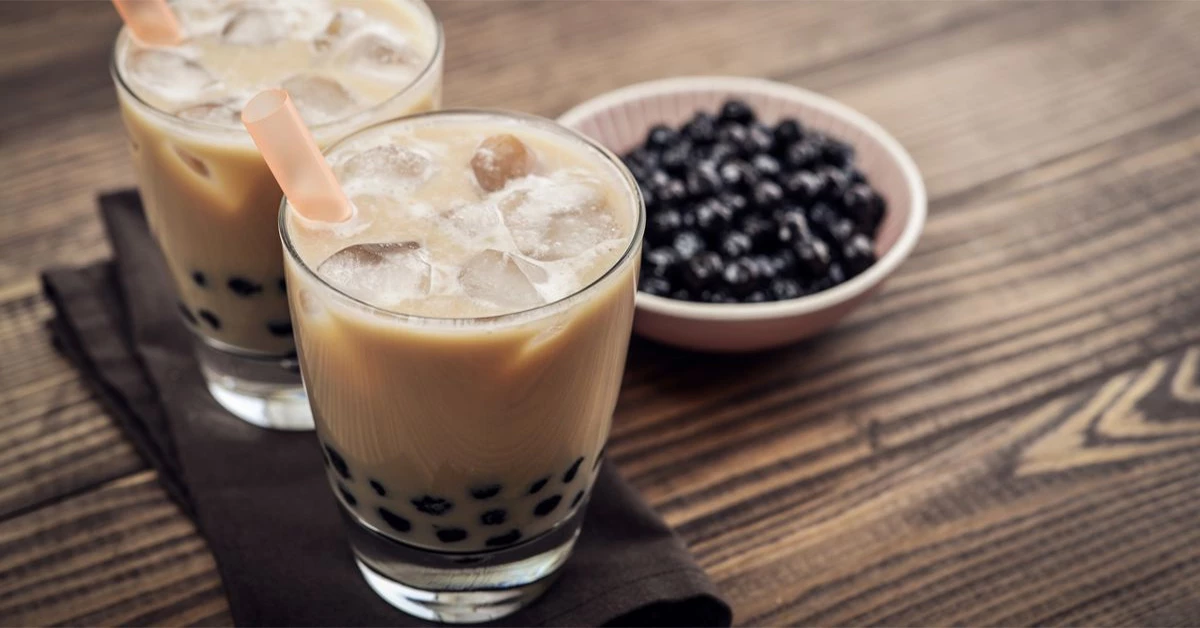
Milk bubble tea is not only the 'fever' in Taiwan, its birthplace, but still represents a strange phenomenon in many parts of the world. It is on sale at any street corner in big cities. In fact, milk tea has actually been around for hundreds of years in different cultures.
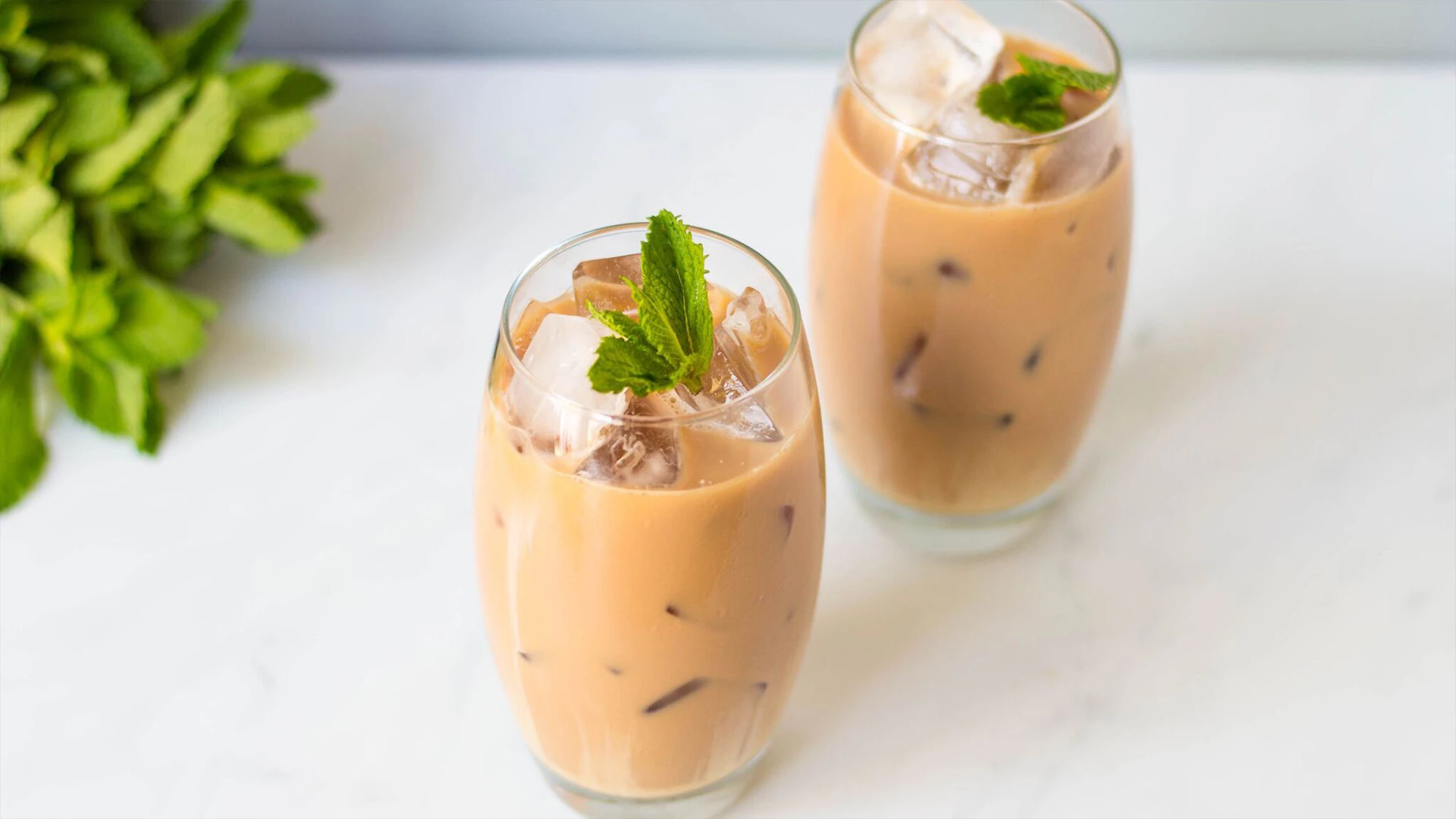
For milk tea fans, the tea with milk made from fresh milk should be a special drink, which combines tea aroma with a greasy taste without being fat of fresh milk. Let’s look at steps and tips for making a good tea with milk at home. This article will show you how to make a good milk teacup.
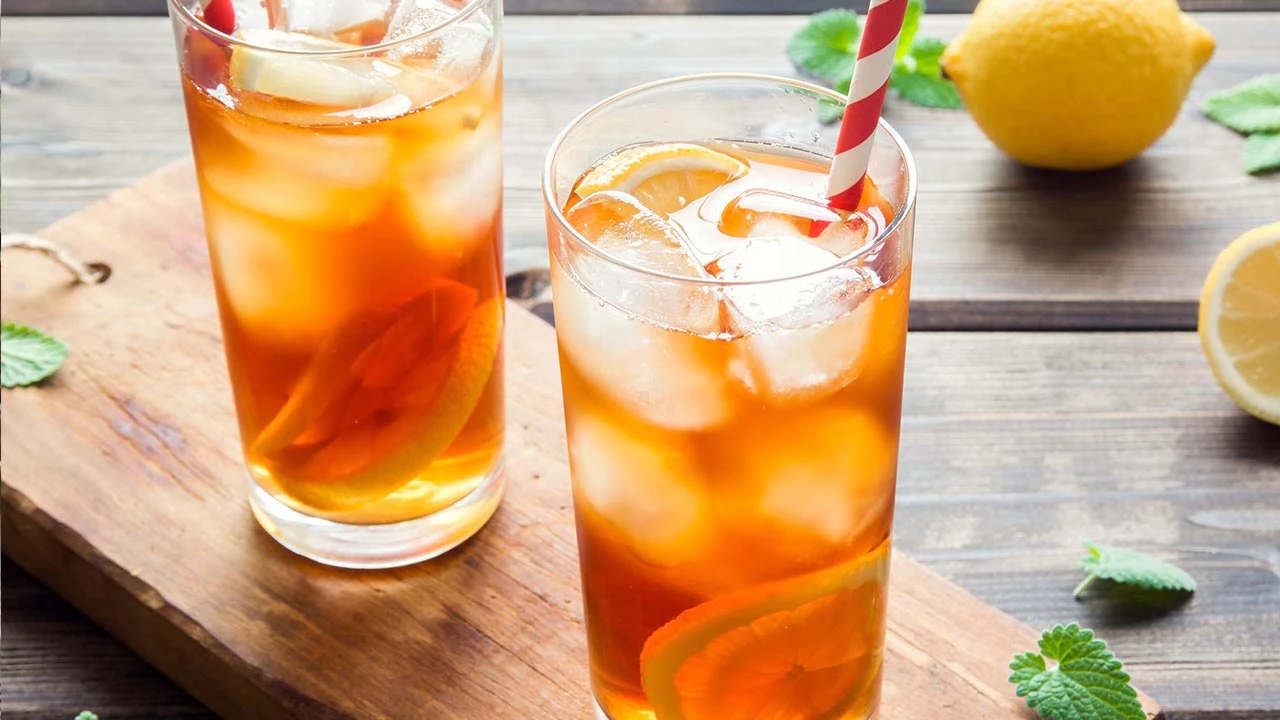
Long Island iced tea is one of the most famous cocktails in the world. Regardless of the “tea” in its name, While there is “tea” in its name, the drink has no tea at all, it’s tea-like only. The cocktail was invented in the last century and the name shows its origin from Long Island, but no one is sure if it comes from the Long Island in New York or that in Tennessee, so no one knows for sure. In this article, we will bring you back to the history of this well-known beverage and learn how to make it on your own based on original recipes.

Do you know that we consume about 600,000 tons of green tea every year? Japan and China are the two largest green tea drinking countries. Why do we drink it so much? Green tea must benefit the human body so well. Let’s figure out Top 5 benefits of green tea you might not know in the following article. After reading this article, you might want to have a cup of green tea right away.