Thermal Shock In Glass Triggers Cracking Or Shatterin
A glass that shatters the moment boiling water hits it, or a dish that cracks straight out of the freezer, can feel like a random accident. Thermal shock in glass is actually a well-understood physical process, not bad luck, and it explains most of these sudden breaks. Since glass expands and contracts as its temperature changes, a sudden or uneven temperature shift can build up more internal stress than the material can withstand. This article looks at what causes thermal shock in glass, when it is most likely to happen at home, and how to avoid it.
Every material expands when heated and contracts when cooled, and glass is no exception, but glass combines this behavior with low thermal conductivity and relatively low mechanical strength.
When one part of a glass object heats or cools faster than another part, the two areas expand or contract by different amounts, creating internal strain between them.
If that strain grows large enough to exceed the glass' tensile strength, a crack forms, and once a crack starts, it can spread quickly through the rest of the material.
The result is not tied to a single fixed temperature; a glass can shatter well below its theoretical heat limit if the temperature changes quickly enough across its surface.
 Uneven heating creates internal strain that can exceed the glass's tensile strength.
Glass composition matters
Not all glass resists thermal shock equally well, and the difference comes down to composition.
Standard soda-lime glass, the type used in most everyday drinking glasses and dishware, has a relatively high coefficient of thermal expansion, making it more prone to cracking under a sudden temperature change.
Borosilicate glass, the type used in laboratory glassware and heat-resistant cookware, expands and contracts far less for the same temperature change, giving it noticeably better resistance to thermal shock.
 Borosilicate glass expands less than standard soda-lime glass under the same temperature change.
This also explains why a double-wall, vacuum-sealed glass liner, the kind used inside a traditional glass vacuum flask, behaves differently from a single-wall glass: the vacuum layer slows heat transfer to the outer glass, reducing the temperature differential that would otherwise build up across the material.
Common causes at home
Pouring boiling water directly into a cold glass or a cold flask liner is one of the most common triggers of thermal shock in glass, since the inner surface heats far faster than the rest of the glass.
 Pouring boiling water into a cold glass creates one of the sharpest temperature differentials at home.
Moving glass straight from a freezer into hot water or setting a cold dish directly onto a hot stovetop creates an even larger temperature differential and a correspondingly higher risk of cracking.
Uneven heating, such as a flame or burner touching only part of a glass container, concentrates stress at that one point rather than spreading it evenly across the surface.
Thin glass generally cracks more easily than thick glass under the same conditions, since a thin wall reaches a large temperature differential more quickly than a thicker one.
Reducing the risk
Warming a glass or a flask gradually, rather than filling it directly with boiling water from a cold start, gives the material time to expand evenly instead of all at once.
Letting a container return closer to room temperature before switching between hot and cold uses reduces the size of the temperature jump it has to absorb.
Choosing glassware built specifically for temperature changes, such as borosilicate cookware or a double-wall vacuum flask designed for hot and cold use, lowers the risk of thermal shock in glass considerably compared with standard single-wall glass.
As a small surface flaw or existing crack concentrates stress at that point, inspecting glassware for chips or cracks before exposing it to a hot or cold liquid is also a simple way to avoid an unexpected break.
Thermal shock in glass comes down to how quickly and unevenly a piece of glass has to expand or contract, so warming gradually, avoiding extreme temperature jumps and choosing the right type of glass are the most reliable ways to keep everyday glassware intact.
Should you have any questions or request a quotation of Rang Dong products, please send us an email to: export@rangdong.com.vn
Websites: en.rangdong.com.vn and vacuumflask.rangdong.com.vn
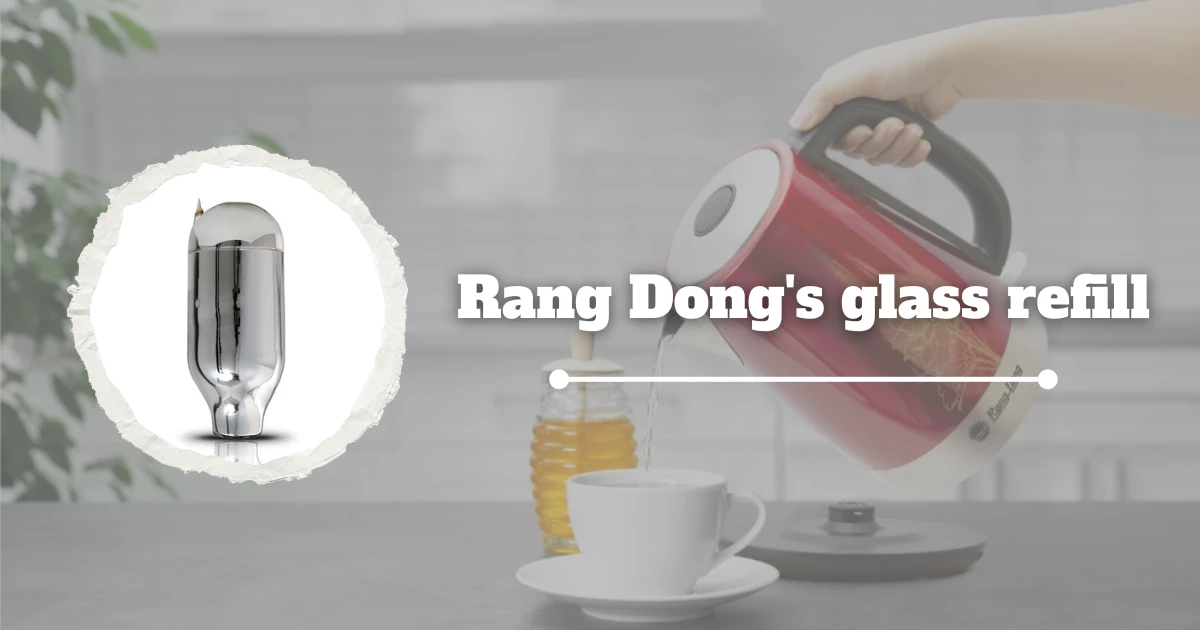
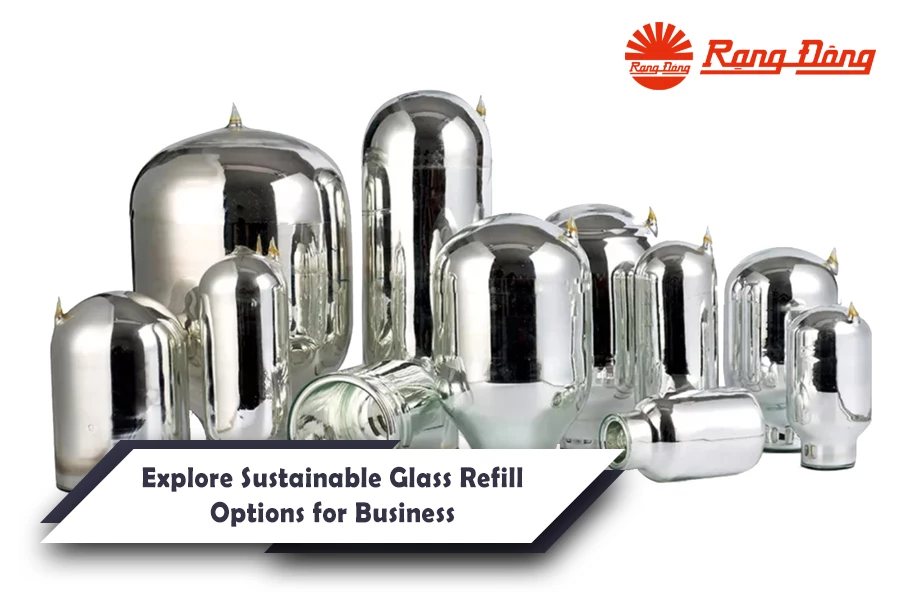
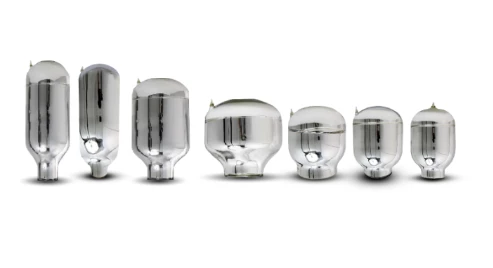
Rang Dong Light Source and Vacuum Flask Joint Stock Company, founded in 1961, was the first in Vietnam's northern region to begin producing vacuum flasks, also known as thermos. Since then, millions of Vietnamese as well as foreign consumers have grown to love the Rang Dong vacuum flask. Aside from designing new styles and shapes for the product, the Hanoi-based company also produces thermos spare parts such as glass refills.
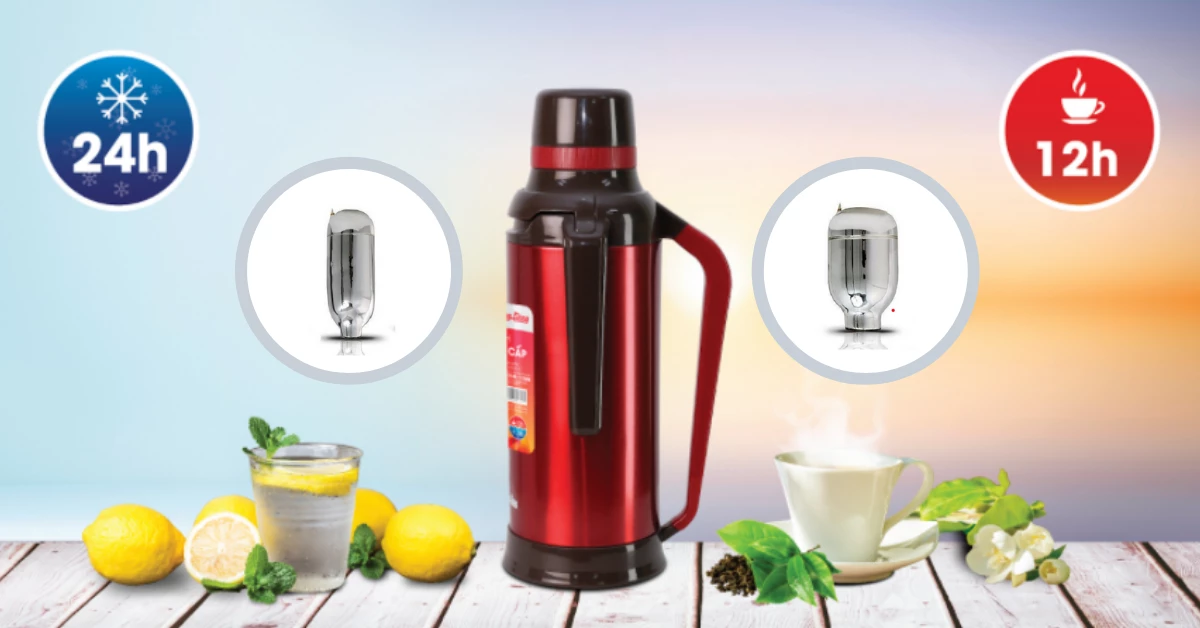
Glass liner vacuum flasks have become increasing popular, offered in a variety of designs, models, colors, and prices. The popularity of the device that retains heat of our beverage or keeps it cold may cause some difficulties to future users who should avoid poor-quality products. Right below are some simple recommendations on how to choose and use a glass liner vacuum flask.
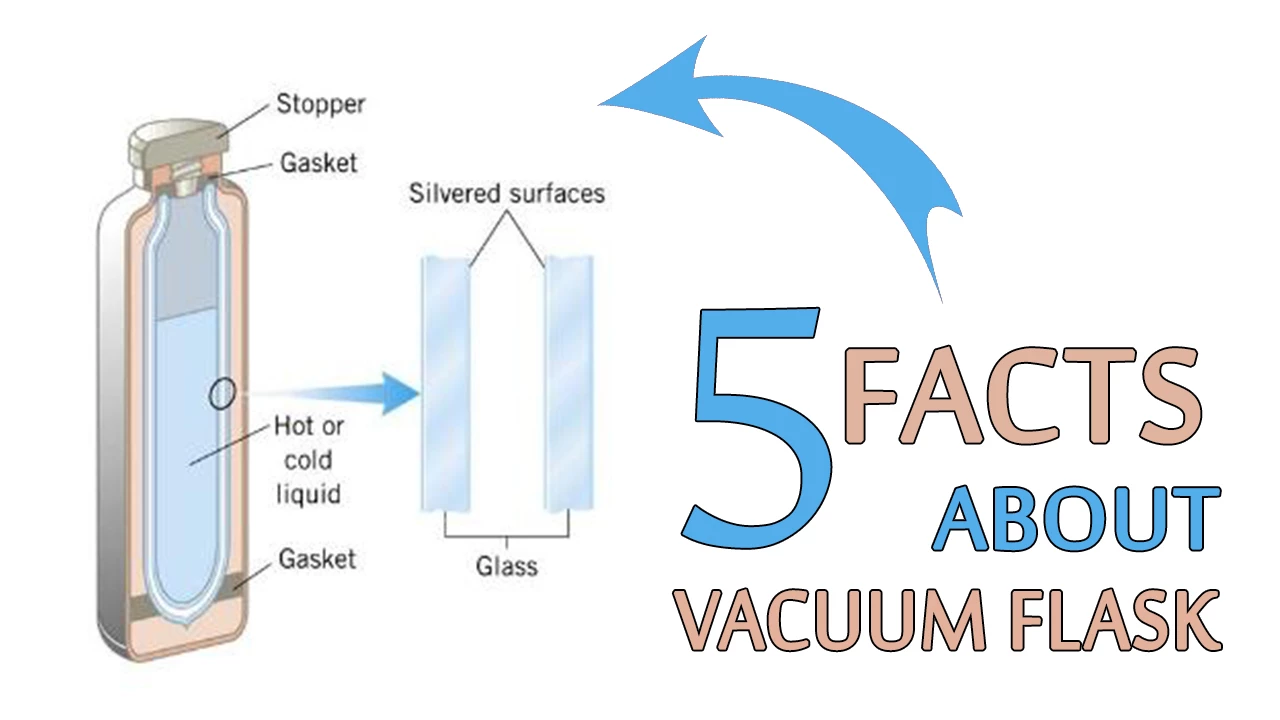
Many thermos users may wonder about the structure and principle of the glass refill for vacuum flask, what is the best type or if the black dots visible on the surface of a glass refill are going to affect our drinks. Let's check the following facts of a glass refill to see if these factors have any impact on the quality of the vacuum flask or the beverage kept inside.
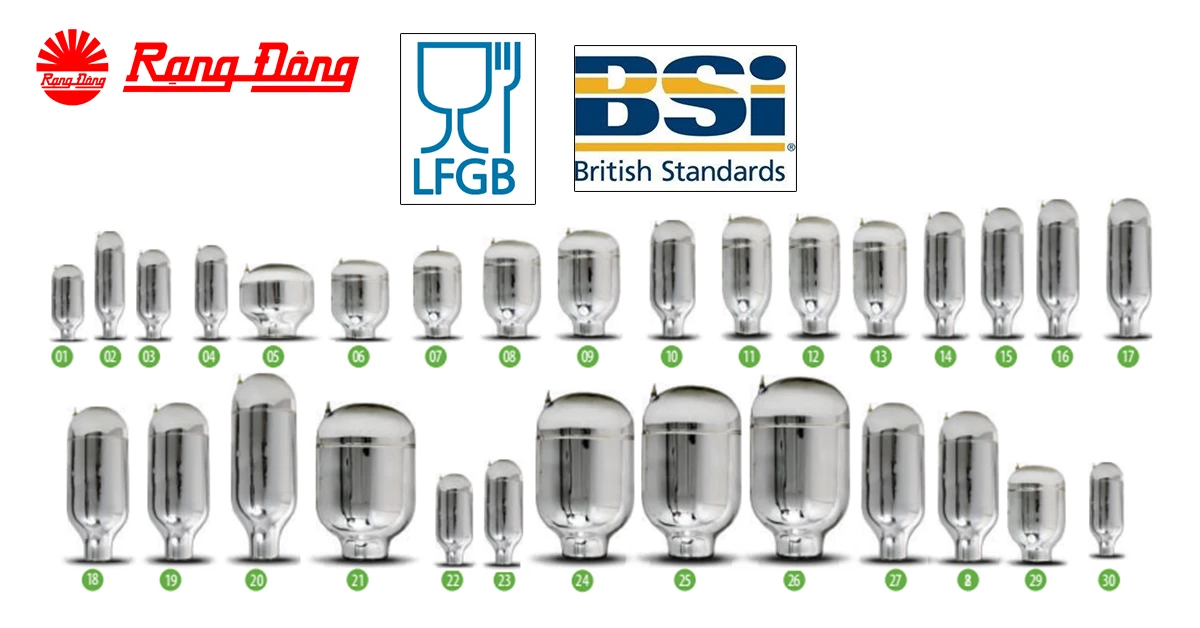
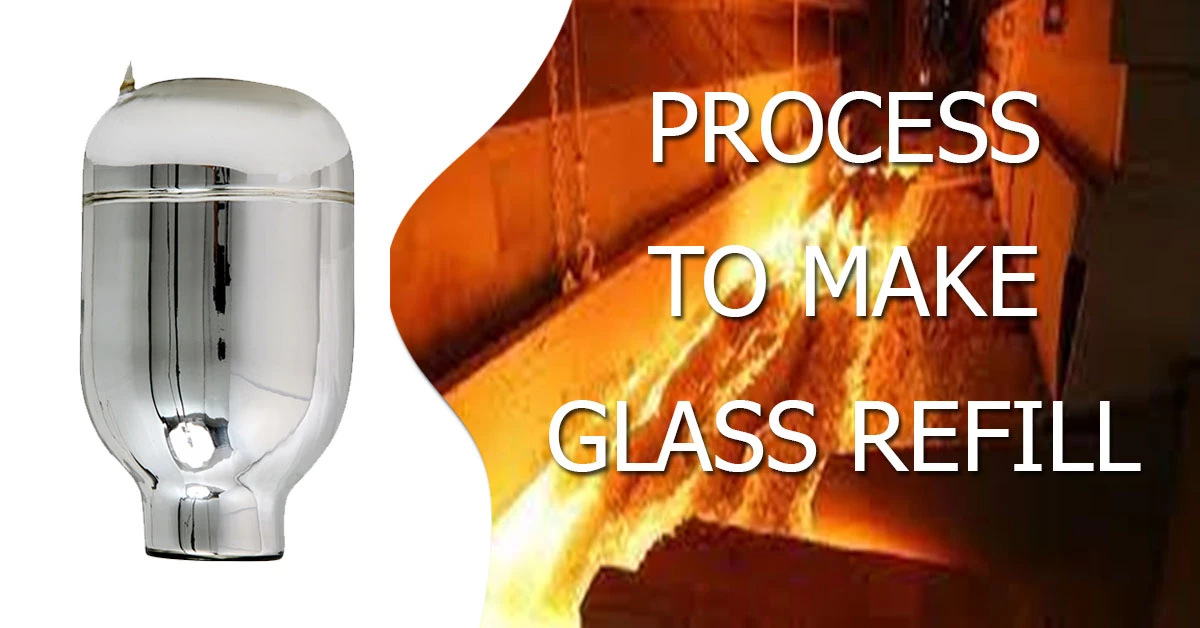
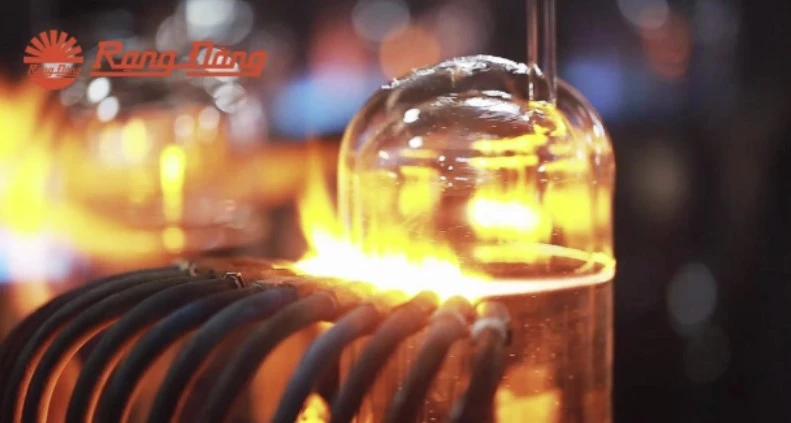
Rang Dong’s glass refill comes from strictly controlled production lines and complies with the international standards for food safety, BS EN 12546-1:2000 and LFGB. Customers around the world have been convinced and trusted its perfect glass liner. This article will introduce you the way we make a perfect glass liner for your favorite vacuum flasks.
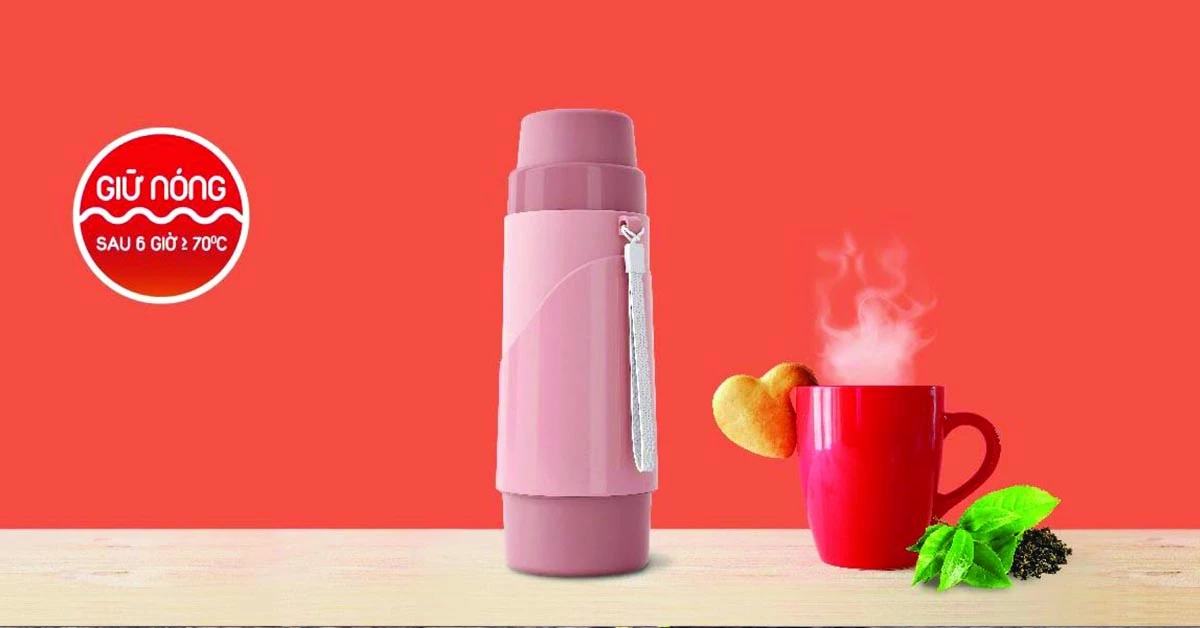
People tied to hard work or to extensive sports training may face the risk of dehydration. Fully aware of the demand to supplement water to strengthen the body performance, Rang Dong has developed a vacuum flask thermos capable of storing 450 ml of water. The new model of the glass lined flask equipped with a carrier will be the best personal assistant in many activities. Let’s figure out what is special about this product in the following article.