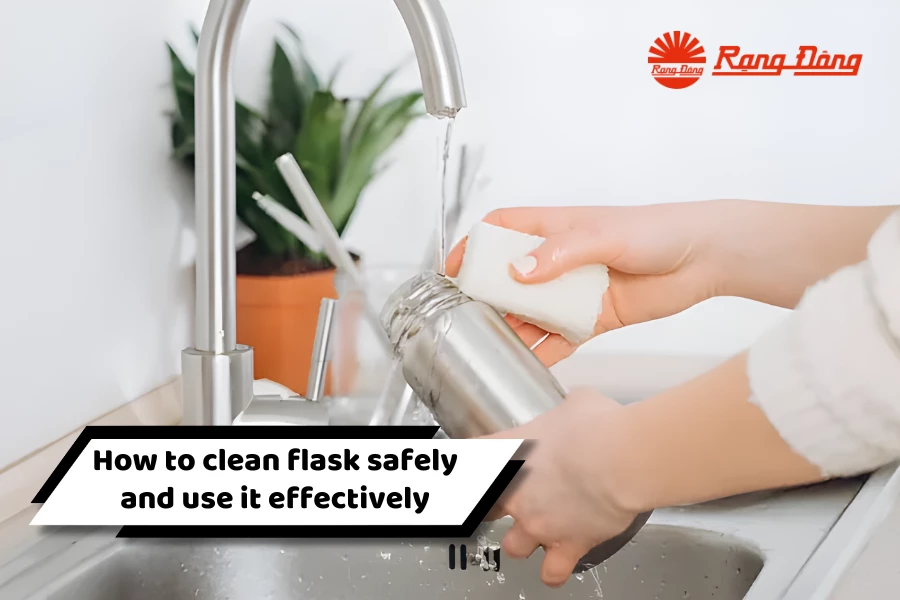
How Often To Clean A Reusable Water Bottle
A personal bottle is used close to the mouth, carried by hand, and placed on desks, bags, cars, or gym floors, so it can collect moisture and residue throughout the day. Regular cleaning helps reduce unpleasant odors, stains, and microbial buildup. This guide explains a practical cleaning routine for families, offices, students, travelers and active users to keep drinkware fresh, safe and long-lasting.
Reusable water bottles are designed for convenience, sustainability, and daily hydration. However, frequent use also creates conditions where residue can build up inside the bottle, around the mouthpiece, under the cap, and in narrow parts such as straws or silicone seals. When cleaning habits are inconsistent, reusable bottles may collect unpleasant odors, stains, and microbial buildup.

A clean reusable water bottle supports safer hydration every day.
The issue is not limited to bottles used for juice, tea, coffee, or sports drinks. Even bottles used only for water still come into contact with saliva, hands, dust, and warm environments. When the bottle remains closed while damp, odors and biofilm can develop more easily. For this reason, knowing how often to clean a reusable water bottle is important for both hygiene and user comfort.

Lids, straws, and mouthpieces need the same attention as the bottle body.
Cleaning Frequency
For daily use, a reusable water bottle should be washed once a day with warm water, mild dish soap, and a suitable bottle brush. This is especially important when the mouth has direct contact with the opening, cap, straw, or spout.
If the bottle is used for beverages other than plain water, cleaning should be done immediately after use. Milk tea, coffee, fruit-infused water, electrolyte drinks, and smoothies can leave sugar, protein, acid, or color residue. These residues may cause stains, odors, and faster bacterial growth if left overnight.
A weekly deep clean is also recommended for bottles used every day. This can include cleaning tablets, a vinegar solution, or a manufacturer-approved sanitizing method. Users should always follow the bottle manufacturer’s care instructions before using bleach, hot water, or a dishwasher.
More Frequent Cleaning
The answer to how often to clean a reusable water bottle depends on how the bottle is used. More frequent cleaning is needed after outdoor activities, gym sessions, travel, illness, or use in hot and humid environments. Bottles carried in backpacks, cars, or workplaces may also pick up dirt from external surfaces.
Shared bottles should be cleaned immediately after use. The same applies when the bottle has been touched with unwashed hands, dropped, or stored with liquid inside for many hours. If there is a strange smell, cloudy residue, visible mold, or a slimy feeling around the lid, the bottle should not be used until it has been thoroughly cleaned.

A bottle brush helps clean corners that rinsing alone cannot reach.
Proper Cleaning Steps
A good cleaning routine starts by disassembling all removable parts. The cap, straw, silicone ring, mouthpiece, and inner thread should be separated when possible. Each part should be washed with warm soapy water, scrubbed carefully, rinsed thoroughly, and allowed to air-dry completely before reassembly.
Rinsing with water alone is not enough for regular care. Soap helps remove oils, saliva residue, and beverage film, while brushing helps reach the inner wall and base of the bottle. For narrow-neck bottles, a long bottle brush is more effective than a sponge. For straw bottles, a thin straw brush is necessary.
Dishwashers may be convenient, but only bottles labeled dishwasher-safe should be placed inside. Some insulated stainless steel bottles, plastic lids, printed surfaces, or vacuum structures may be damaged by high heat. For long-lasting use, product care instructions should be checked carefully.
Easy-clean Design
Bottle design affects cleaning convenience. Wide-mouth bottles are easier to scrub and dry. Removable lids and simple cap structures reduce hidden corners where residue can stay. Stainless steel and glass are often preferred for odor resistance, while plastic bottles should be checked regularly for scratches, cracks, or deformation.
Rang Dong, a trusted Vietnamese brand known for vacuum flasks, and household appliances, offers drinkware solutions designed for practical daily use. For households, offices, and travel buyers, easy cleaning should be considered alongside capacity, insulation performance, material, lid design, and portability.
Should you have any questions or request a quotation of Rang Dong products, please send us an email to: export@rangdong.com.vn
Websites: en.rangdong.com.vn and vacuumflask.rangdong.com.vn
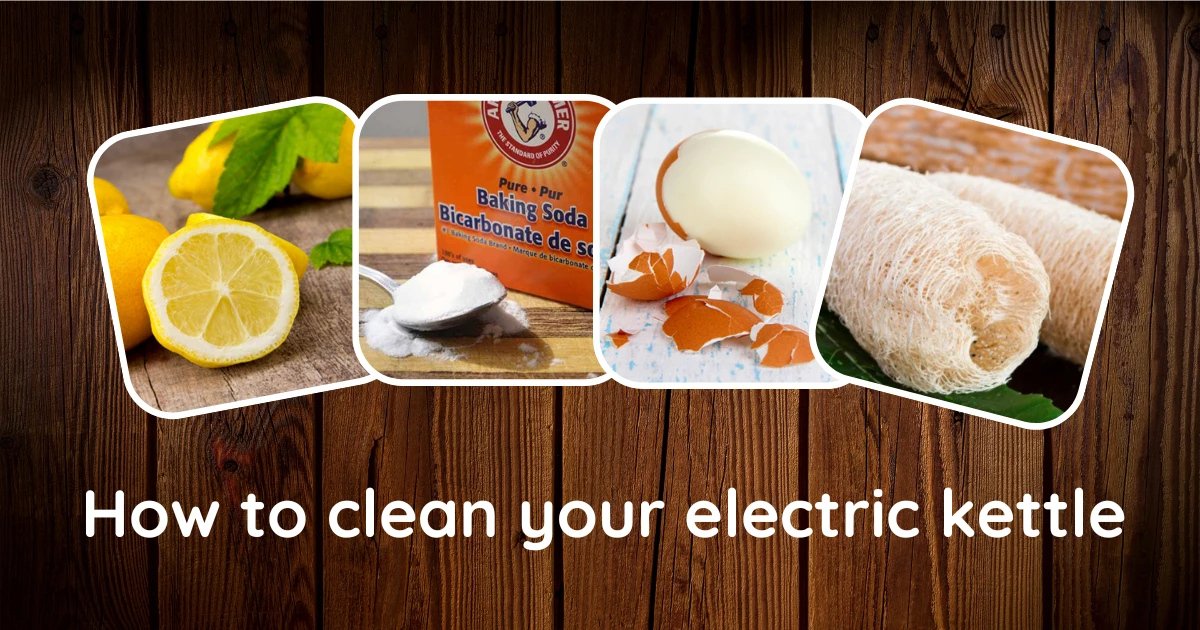
After using the electric kettle for some time, lime scale often develops inside. If not cleaned, it could affect health, and reduce the performance and life of the appliance. Please check out these instructions on how to quickly and effectively clean electric kettle.
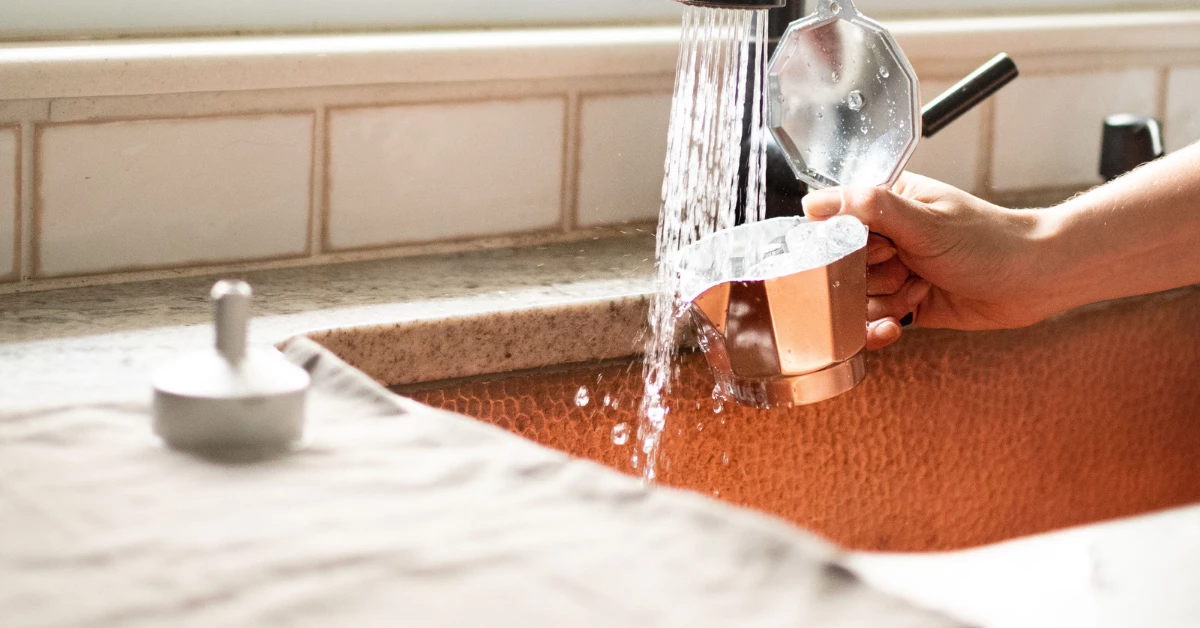
In order to have a good cup of coffee, it is necessary to have good ingredients and good tools, so it is impossible to ignore the steps of preservation and instructions for use. Moka Pot, an icon of the Italian coffee industry, came from an ordinary coffee maker. Let's check out steps on how to clean the Moka pot.
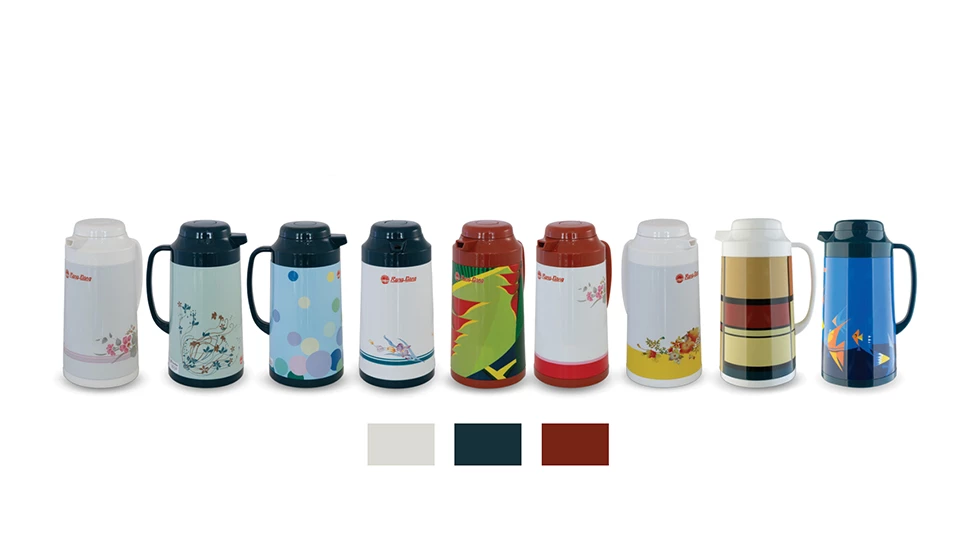
Cleaning a thermal bottle, which has become one of our 'daily' items given its convenience, not only helps extend its lifespan, but also protects the user's health.
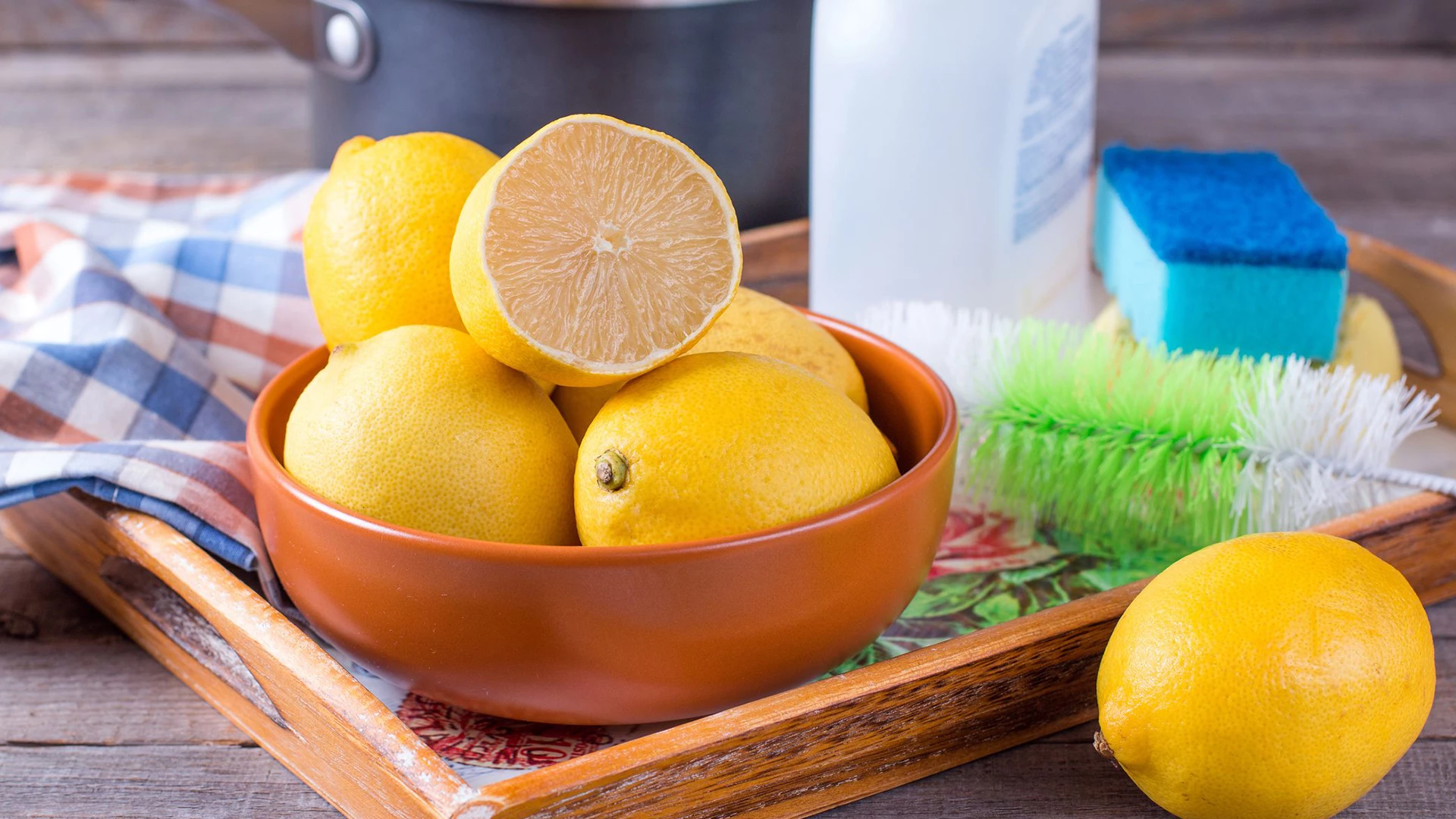
Cleaning vintage thermos could be a bit more complicated than other liquid containers. Low-cost and accessible ingredients such as vinegar, lemon juice, and baking soda should play an effective role in helping us get rid of the stains. Each cleaning solution only requires a few ingredients that you probably already have in your kitchen or bathroom.
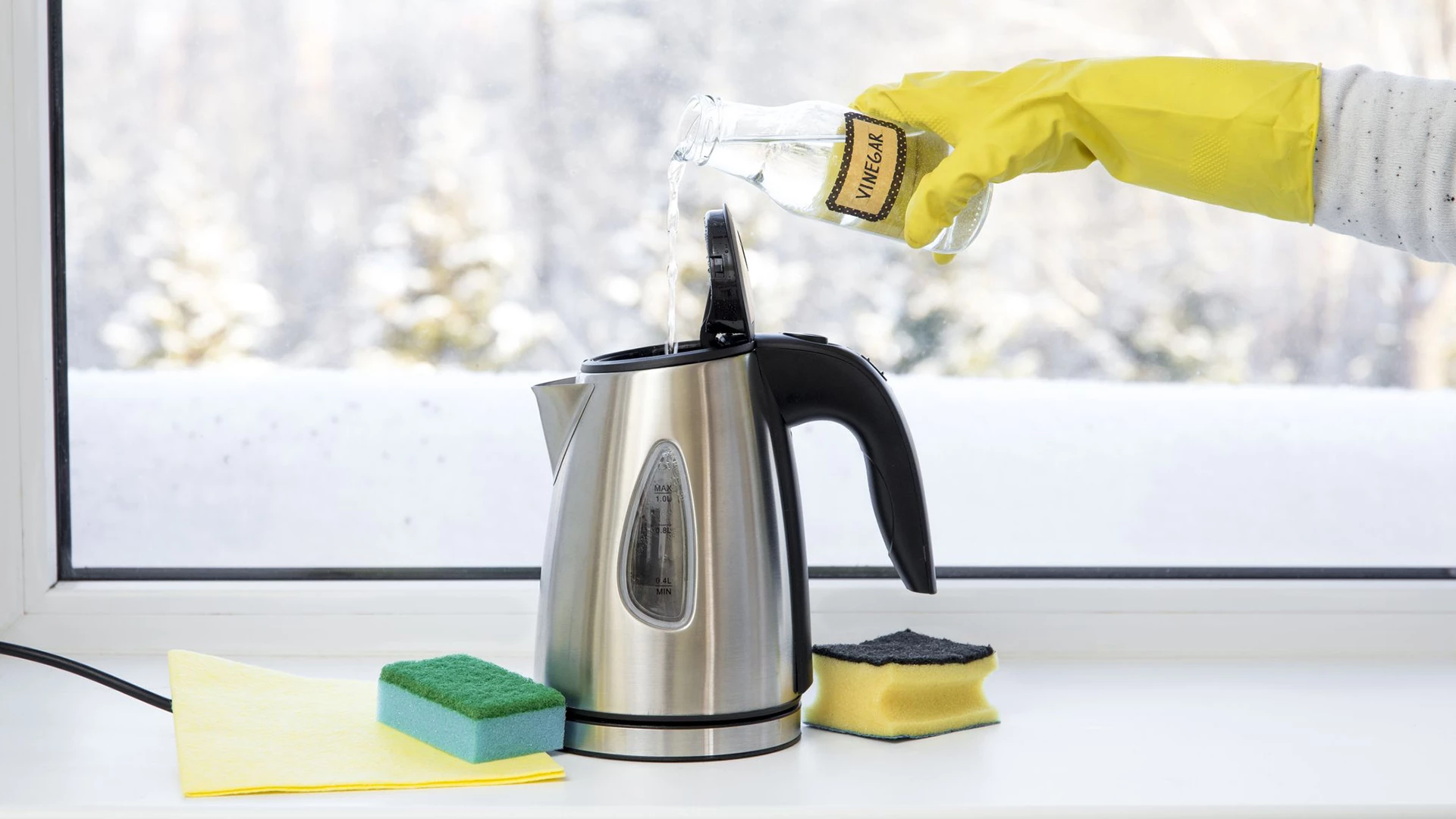
Before, people needed fire or use stopover to boil water for brewing tea, but now, we can save on gas by using electricity to help them enjoy this simple, but invigorating ritual. Electric kettle has replaced traditional ways of boiling water, helping us shorten the time remarkably. In order to use the most of the appliance and increase its lifespan, we need to know how to clean it properly.